KENAPA KERTAS BISA JADI UANG? Sejarah Gila Uang Dari Dulu Sampai Sekarang! | Learning By Googling
Summary
TLDRThis video explores the fascinating history and evolution of money, from the ancient barter system to the rise of modern digital currencies like cryptocurrency. It delves into how early civilizations used commodities like shells, salt, and even bronze drums as money, before the development of standardized coinage in ancient Mesopotamia. The video traces key milestones such as the invention of paper money in China and the introduction of fiat currencies, culminating in the decentralization of currency through blockchain technology. The video invites viewers to reflect on how money has transformed over time and what the future of currency might look like.
Takeaways
- 😀 The first paper money was invented in China around the 11th century during the Song Dynasty, evolving from promissory notes.
- 😀 Early human transactions were based on barter, where people exchanged goods directly, but this system was inefficient due to the double coincidence of wants.
- 😀 Bartering had two major issues: finding someone who needed what you had and determining how to balance the value of different goods.
- 😀 The first form of money used for trade was commodity money, such as cowrie shells and salt, which were widely accepted due to their durability and scarcity.
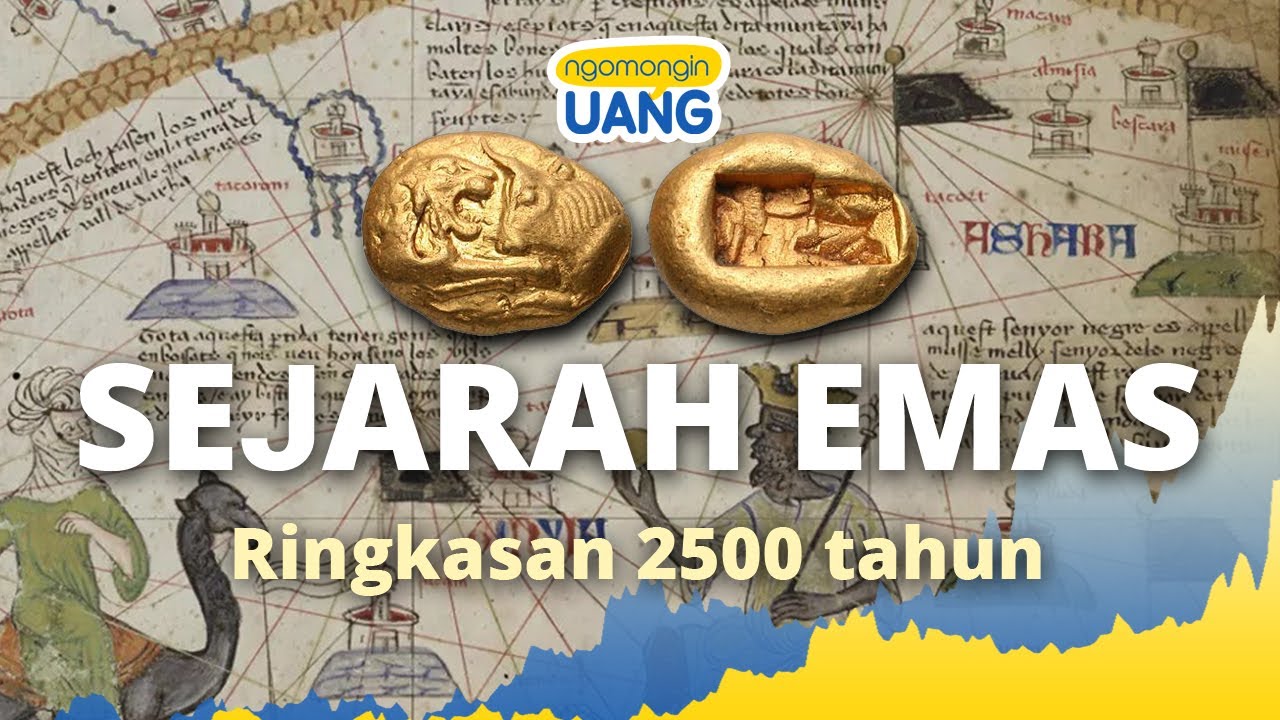
- 😀 The Lydian Kingdom (now part of Turkey) created the first standardized metal coins around 600 BCE, making transactions simpler and more reliable.
- 😀 Paper money, in the form of promissory notes called 'Chelsei,' emerged in China during the Song Dynasty, with values written on the paper to standardize transactions.
- 😀 Fiat money, like the 'Chao' currency from the Yuan Dynasty, does not derive its value from commodities like gold or silver but from the government's backing and public trust.
- 😀 The rise of cryptocurrencies is an example of decentralized digital money, based on blockchain technology, which allows for peer-to-peer transactions without central authority control.
- 😀 Token money was used in specific areas like plantations, where workers were paid in money that could only be spent within the plantation, limiting freedom of use.
- 😀 Technological advances have led to the rise of digital money, such as e-wallets and cryptocurrencies, which have reshaped the way we transact and manage value in modern economies.
Q & A
Where was the first paper money invented, and during which period?
-The first paper money was invented in China during the 11th century, specifically during the Song Dynasty.
How did paper money gain value despite being just a piece of paper?
-Paper money gained value because people collectively agreed upon its worth. Its value was backed by trust and the agreement that it could be used in exchange for goods and services.
What was the first economic system before the invention of money?
-Before money was invented, humans practiced bartering, where they exchanged goods and services directly without using a standardized currency.
What were some of the major problems with the barter system?
-Two major problems with bartering were the 'double coincidence of wants,' where both parties had to want what the other offered, and the difficulty of determining the value of goods and services being exchanged.
How did humans transition from bartering to using commodity money?
-Humans began using commodity money, like shells, salt, or livestock, because these items were considered valuable, easy to carry, and widely accepted. They also had intrinsic value that could be agreed upon by all parties involved.
What is the historical significance of the 'Shackle' in the development of money?
-The Shackle, used in Mesopotamia, was initially a unit of measurement for weight and volume. Over time, it evolved to represent a standardized unit for trading commodities like silver, and eventually became the basis for currency.
What is the origin of the term 'salary'?
-The term 'salary' originates from the Latin word 'salarium,' referring to the payment given to Roman soldiers in salt, which was highly valued as a commodity.
What was the role of 'Moko' in the Alor community of Indonesia?
-In Alor, Indonesia, Moko, a small bronze drum, was used as both a sacred object and a form of currency for transactions. It was highly valued until its overproduction led to inflation.
What makes money fiat different from commodity money?
-Fiat money is not backed by any physical commodity like gold or silver. Its value is established by government decree and is accepted because of trust in the system, unlike commodity money, which has intrinsic value.
What impact did the invention of cryptocurrency have on the financial system?
-Cryptocurrency, powered by blockchain technology, introduced a decentralized financial system where transactions are not controlled by central authorities like governments or banks. It allows for secure, transparent, and borderless digital transactions.
Outlines

This section is available to paid users only. Please upgrade to access this part.
Upgrade NowMindmap

This section is available to paid users only. Please upgrade to access this part.
Upgrade NowKeywords

This section is available to paid users only. Please upgrade to access this part.
Upgrade NowHighlights

This section is available to paid users only. Please upgrade to access this part.
Upgrade NowTranscripts

This section is available to paid users only. Please upgrade to access this part.
Upgrade Now



5.0 / 5 (0 votes)
