#SELARAS #1 "SIMULASI PASIEN BERBASIS KASUS"
Summary
TLDRThis transcript details the medical journey of a 34-year-old male patient presenting with severe respiratory distress, high fever, and other symptoms suggesting an infection. The patient, initially assessed with oxygen therapy and monitored vital signs, is diagnosed with a pulmonary infection confirmed by imaging. Medical teams discuss the patient's deteriorating condition, requiring intensive care with ventilator support. The clinical discussion involves detailed reports on the patient's blood tests, imaging, and ongoing treatment. The staff explains to the family the severity of the situation, emphasizing the critical care required and the hope for recovery despite the serious prognosis.
Takeaways
- 😀 The patient presented with respiratory distress, fever, and a cough lasting for 3 days.
- 😀 Vital signs upon initial assessment: blood pressure 130/80, pulse 100 bpm, respiratory rate 24, temperature 39°C, and oxygen saturation 90%.
- 😀 The patient was immediately administered oxygen therapy, with a 10L NRM mask, and their oxygen saturation improved to 98%.
- 😀 The lab results showed elevated white blood cell count (25,000), indicating an infection, while chest X-ray revealed pneumonia.
- 😀 The patient's clinical condition was categorized as severe, and they were transferred to an intensive care unit (ICU) for further management.
- 😀 The patient experienced a sudden decline in blood pressure (90/50), and efforts to stabilize included the administration of fluids and vasopressors.
- 😀 Despite initial efforts, the patient's respiratory distress worsened, and they required mechanical ventilation support due to respiratory failure.
- 😀 The attending physician communicated the severity of the infection to the family, emphasizing the critical nature of the patient's condition.
- 😀 The healthcare team used a multi-disciplinary approach, including consultations with other specialists (e.g., ICU, pulmonologists) to optimize the patient's care.
- 😀 The final prognosis remained uncertain, with the team hopeful but emphasizing the need for continuous monitoring and family support during this critical period.
Q & A
What is the main complaint of the patient described in the script?
-The main complaint of the patient is shortness of breath (dyspnea), fever, and a cough, which have been present for three days.
What were the initial vital signs of the patient upon admission?
-The patient's initial vital signs were: blood pressure 130/80 mmHg, heart rate 100 beats per minute, respiratory rate 24 breaths per minute, temperature 39°C, and oxygen saturation 90%.
What was the patient's condition upon further examination?
-The patient was diagnosed with a lung infection, and their condition appeared critical, requiring oxygen support and close monitoring. The patient's oxygen saturation was low at 90% and required NRM (Non-Rebreather Mask) at 15 liters per minute.
What medications and interventions were administered to the patient?
-The patient received oxygen therapy (NRM at 15 liters), paracetamol (1 gram), and fluids. Additionally, there was a plan for ventilator support and possible ICU admission due to the severity of the infection.
What diagnostic results were mentioned for the patient?
-The patient's lab results showed a white blood cell count of 25,000, indicating infection. A chest X-ray revealed signs of a lung infection, and PCR tests were negative for COVID-19.
How was the patient's infection severity assessed?
-The patient's infection severity was assessed through vital signs (such as blood pressure, heart rate, respiratory rate, and oxygen saturation) and laboratory tests (including white blood cell count). Additionally, the patient's clinical condition, such as difficulty breathing and high fever, indicated a severe infection.
What specific care did the patient require after initial assessment?
-The patient required close monitoring in the ICU with a ventilator, fluid management, antibiotics, and possible further imaging and lab tests. The family was also educated on the patient's condition and the possible outcomes.
What is the importance of the ventilator in this patient's treatment?
-The ventilator is crucial for the patient's treatment as they were experiencing severe respiratory distress, with oxygen saturation dropping to 90%. The ventilator helps support the patient's breathing and oxygen levels, which is essential for managing the critical lung infection.
What does the term 'ARDS' refer to, as mentioned in the script?
-ARDS stands for Acute Respiratory Distress Syndrome. It is a condition where the lungs become severely inflamed and filled with fluid, leading to respiratory failure. The patient in the script was diagnosed with ARDS, which is a serious complication of lung infections.
How did the medical team handle the critical situation involving the patient's respiratory distress?
-The medical team initiated emergency measures, including oxygen therapy, fluid resuscitation, and ventilator support. They also coordinated ICU care, consulted specialists, and prepared for potential escalation of care depending on the patient's response to treatment.
Outlines

This section is available to paid users only. Please upgrade to access this part.
Upgrade NowMindmap

This section is available to paid users only. Please upgrade to access this part.
Upgrade NowKeywords

This section is available to paid users only. Please upgrade to access this part.
Upgrade NowHighlights

This section is available to paid users only. Please upgrade to access this part.
Upgrade NowTranscripts

This section is available to paid users only. Please upgrade to access this part.
Upgrade Now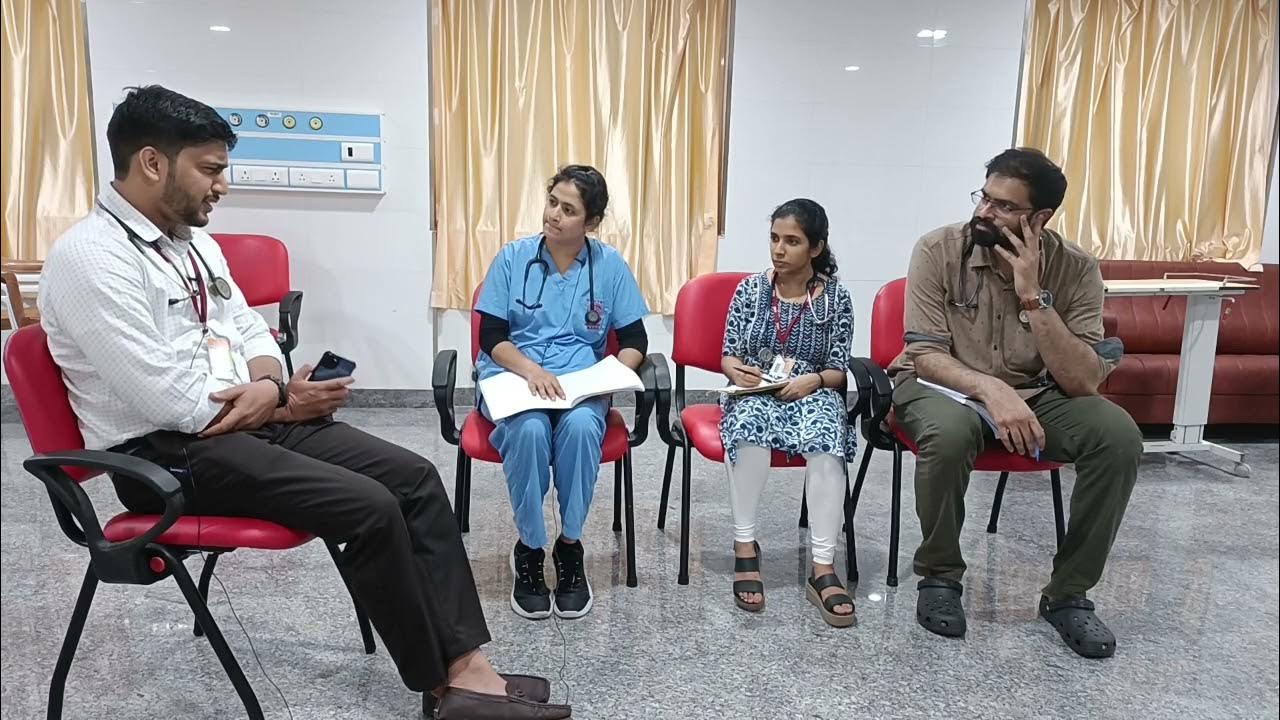



5.0 / 5 (0 votes)
