The Origins of Trade Explained: How Commerce Shaped the World
Summary
TLDRThe video takes viewers on a journey through the history of trade, from ancient barter systems to the rise of coins in Lydia, revolutionizing commerce. It highlights the Silk Road, a pivotal trade route connecting Asia, the Middle East, and Europe, fostering economic prosperity and cultural exchange. As empires expanded, banking systems and credit notes transformed global trade. The video concludes with modern trade, including e-commerce and cryptocurrencies, showing how trade continues to thrive through mutual benefit and human connection, driving economies forward across the globe.
Takeaways
- 😀 Early human trade involved direct exchanges of goods and services, such as grains for spearheads or honey for animal skins.
- 😀 Barter systems formed the foundation for trade, allowing people to satisfy their varied needs by sharing what they produced best.
- 😀 The Silk Road was a key trade route connecting Asia, the Middle East, and Europe, facilitating both commerce and cultural exchange.
- 😀 Cities along trade routes grew into vibrant hubs, with merchants from diverse backgrounds exchanging goods, ideas, and technologies.
- 😀 Barter eventually led to the creation of coins, which standardized value and revolutionized trade.
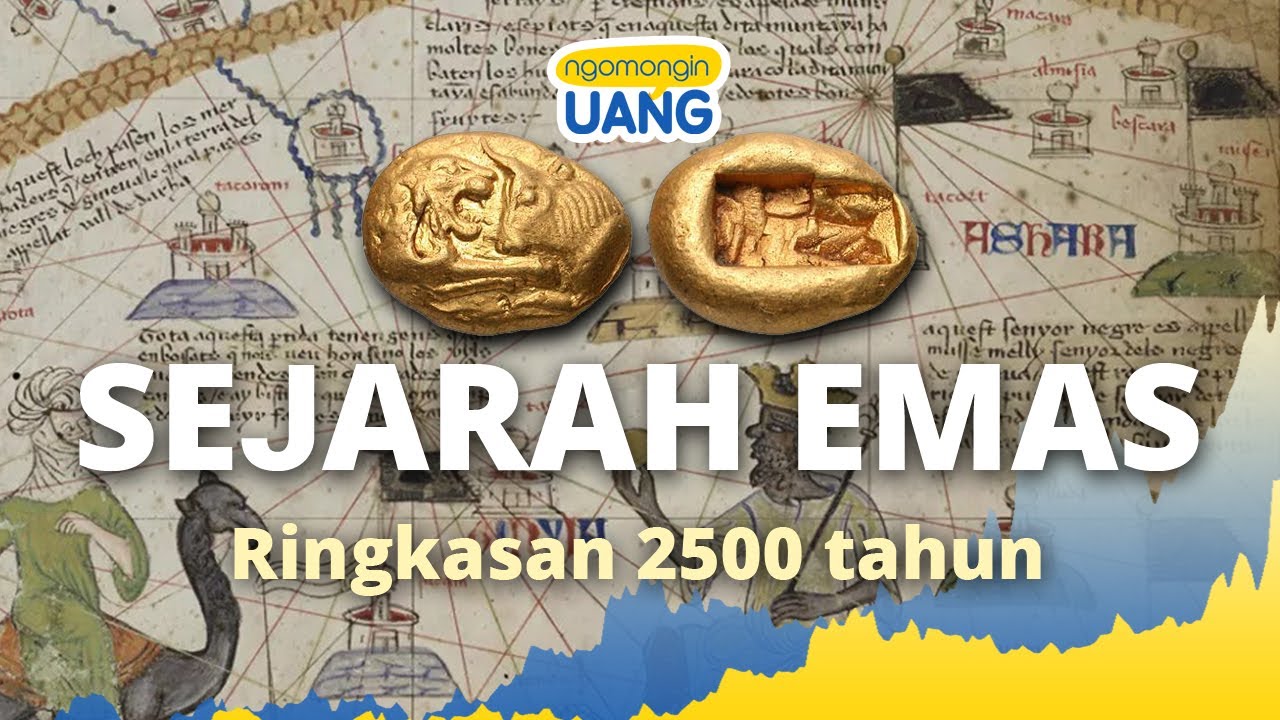
- 😀 The first known coins appeared in Lydia (modern-day Turkey) around the 7th century BC, marking a pivotal moment in trade history.
- 😀 Over time, banking systems and credit notes emerged, enabling merchants to conduct business across distant lands without carrying physical coinage.
- 😀 The expansion of trade networks in the Middle Ages helped power empires and forge political alliances.
- 😀 Modern trade has evolved to include digital products, services, and data, with e-commerce generating billions of dollars in seconds.
- 😀 Cryptocurrencies are introducing new forms of digital transactions, further transforming how trade occurs, but the core principle of mutual benefit remains unchanged.
Q & A
What was the first form of exchange in human communities before money?
-The first form of exchange was barter, where goods and services were directly exchanged, such as offering grains for a sharpened spearhead or honey for animal skins.
How did the barter system contribute to the development of trade?
-Barter allowed people to satisfy their varied needs by sharing what they produced, which laid the foundation for trade and spurred the growth of more complex economies over time.
What is the significance of the Silk Road in the history of trade?
-The Silk Road was a famous trade route that connected Asia, the Middle East, and Europe, facilitating the exchange of goods, ideas, religions, and technologies, which contributed to cultural exchange and economic prosperity.
How did trade routes lead to the growth of cities during the medieval period?
-As trade routes expanded, cities along these paths blossomed into bustling trade hubs, attracting merchants from various cultures and fostering diverse communities speaking dozens of languages.
What were some of the goods traded along the Silk Road?
-Precious Chinese silk, Indian spices, and Arabian incense were among the key goods traded along the Silk Road.
How did the invention of coins change trade?
-The invention of coins, emerging around the 7th century BC in Lydia (modern-day Turkey), standardized currency, providing a consistent value for transactions and simplifying trade.
How did banking and credit systems contribute to trade during the Middle Ages?
-Banking systems and credit notes allowed merchants to do business across distant lands without needing to carry physical coinage, making trade more efficient and enabling commerce to flourish.
What are some modern examples of trade beyond physical goods?
-Modern trade includes digital products, services, and data, which can be traded globally with just a click, such as in e-commerce and cryptocurrency transactions.
What role do cryptocurrencies play in modern trade?
-Cryptocurrencies offer new forms of transaction by allowing for digital exchanges without traditional banks or intermediaries, promising faster and more decentralized ways of trading.
What is the core principle that drives trade throughout history?
-The core principle of trade remains mutual benefit, with people exchanging value based on their needs and desires.
Outlines

This section is available to paid users only. Please upgrade to access this part.
Upgrade NowMindmap

This section is available to paid users only. Please upgrade to access this part.
Upgrade NowKeywords

This section is available to paid users only. Please upgrade to access this part.
Upgrade NowHighlights

This section is available to paid users only. Please upgrade to access this part.
Upgrade NowTranscripts

This section is available to paid users only. Please upgrade to access this part.
Upgrade Now



5.0 / 5 (0 votes)
