Średniowiecze (powtórzenie)
Summary
TLDRThe Middle Ages, lasting over 1000 years, was a period defined by the belief in theocentrism, where God was considered the center of the universe. The Catholic Church played a dominant role in politics, education, and culture. Literature of the time was mainly didactic, teaching moral values and showcasing ideal figures such as righteous kings, honorable knights, and ascetic saints. Key works include 'The Song of Roland' and 'The Legend of Saint Alexis.' Architecture featured Romanesque solidity and Gothic height, exemplified by Notre Dame. Art often depicted themes like 'danse macabre' and 'memento mori,' emphasizing the certainty of death and the need for piety.
Takeaways
- 😀 The Middle Ages is the second literary era, following Antiquity, lasting over 1000 years from the fall of the Western Roman Empire in 476 AD to the mid-15th century.
- 😀 The name 'Middle Ages' comes from the Latin 'media aetas,' meaning 'middle ages,' coined by people in the Renaissance.
- 😀 The central belief during the Middle Ages was theocentrism, which held that God was the center of the universe and that every aspect of life should focus on the eternal life.
- 😀 The Catholic Church became a powerful institution, influencing education, politics, and society, with educated clergy holding important political roles.
- 😀 Key philosophers of the period include Saint Augustine, Saint Thomas Aquinas, and Saint Francis of Assisi, giving rise to philosophical movements like Augustinianism, Thomism, and Franciscanism.
- 😀 Middle Ages literature was mostly didactic, aiming to teach moral behavior and warn against sinful living, often through parenetical literature presenting ideal role models.
- 😀 Common literary figures included the just, brave, and pious ruler (e.g., Charlemagne in 'The Song of Roland'), the noble knight (e.g., Galahad in Arthurian Legends), and the ascetic saint (e.g., Saint Alexius).
- 😀 Most medieval authors are unknown as they believed that talent came from God, and writing was for divine glory, not personal fame.
- 😀 Notable works from the Middle Ages include 'Bogurodzica,' 'The Song of Roland,' 'The Legend of Saint Alexius,' 'The History of Tristan and Isolde,' and 'The Sermons of the Holy Cross.'
- 😀 Artistic motifs like 'danse macabre' (dance of death) and 'memento mori' (remember death) were prevalent, symbolizing the equality of all people in the face of death.
- 😀 In medieval architecture, two main styles emerged: the Gothic style with tall, pointed structures and intricate decoration (e.g., Notre Dame) and the Romanesque style with sturdy, simple buildings (e.g., St. Nicholas Rotunda in Cieszyn).
Q & A
What is the origin of the term 'Middle Ages'?
-The term 'Middle Ages' comes from the Latin phrase 'media aetas', meaning 'middle ages'. It was used by people living during the Renaissance to describe the period between Antiquity and their own time.
When did the Middle Ages begin and end?
-The Middle Ages began with the fall of the Western Roman Empire in 476 AD and ended in the late 15th century with key events such as the fall of Constantinople, the invention of the movable printing press, and the discovery of America by Christopher Columbus.
What was the central belief of the Middle Ages?
-The central belief of the Middle Ages was 'theocentrism', which placed God at the center of the universe and influenced all aspects of life, emphasizing the importance of eternal life.
What role did the Catholic Church play during the Middle Ages?
-The Catholic Church was a powerful institution during the Middle Ages, shaping education, politics, and culture. Clergy were often highly educated and held significant political power.
Who were some important philosophers of the Middle Ages?
-Key philosophers of the Middle Ages included St. Augustine, St. Thomas Aquinas, and St. Francis of Assisi. Their teachings led to philosophical schools like Augustinianism, Thomism, and Franciscanism.
What was the primary characteristic of Medieval literature?
-Medieval literature was predominantly didactic, meaning it was designed to teach moral lessons and encourage virtuous living, often through presenting role models such as just rulers, honorable knights, and ascetic saints.
Why do we not know the names of most medieval authors?
-Most medieval authors remained anonymous because they believed their talents were gifts from God and wrote not for personal fame, but to glorify God.
What are some famous works from the Middle Ages?
-Famous medieval works include 'Bogurodzica', 'The Song of Roland', 'The History of Tristan and Isolde', 'The Legend of Saint Alexis', and 'The Sermons of Holy Cross'.
What is the 'Danse Macabre' and why was it important in medieval art?
-The 'Danse Macabre' or Dance of Death was a common artistic motif in the Middle Ages that depicted death coming for people of all social classes. It was meant to remind people of the inevitability of death and the equality of all in the face of it.
What architectural styles were prominent during the Middle Ages?
-The two main architectural styles in the Middle Ages were Gothic, characterized by tall, pointed arches and ornate decorations (e.g., Notre Dame Cathedral), and Romanesque, known for its solid, squat buildings with thick walls and small windows (e.g., the Rotunda of Saint Nicholas).
Outlines

This section is available to paid users only. Please upgrade to access this part.
Upgrade NowMindmap

This section is available to paid users only. Please upgrade to access this part.
Upgrade NowKeywords

This section is available to paid users only. Please upgrade to access this part.
Upgrade NowHighlights

This section is available to paid users only. Please upgrade to access this part.
Upgrade NowTranscripts

This section is available to paid users only. Please upgrade to access this part.
Upgrade NowBrowse More Related Video

What Is Christendom?

Le Moyen-Âge pour les enfants - 5 Choses que tu devrais savoir - L'histoire pour les enfants
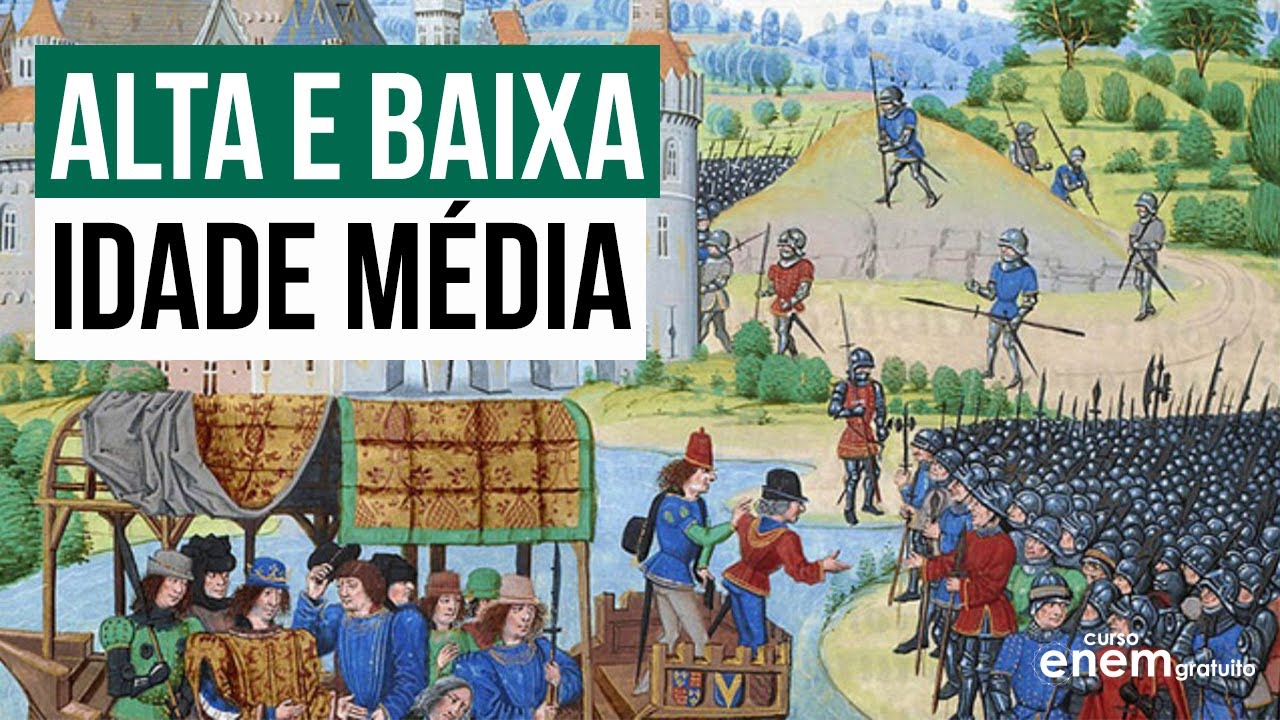
ALTA E BAIXA IDADE MÉDIA: clero, feudalismo e cruzadas | RESUMO DE HISTÓRIA PARA O ENEM

Models of the Universe [Geocentric to Heliocentric]

Dark Ages Zaman kegelapan di Eropa.

Jangan Beri Tuhan Sisa Usiamu! (Bilangan 8) - Petrus Kwik | BIBLE EVERY DAY
5.0 / 5 (0 votes)
