Teh
Summary
TLDRThis video takes viewers on a journey through the tea production process, from the vast tea plantations of Sri Lanka to the production of tea bags in the UK. It explores each crucial step—harvesting, withering, rolling, fermentation, drying, and sorting—highlighting how these processes influence the quality and flavor of the final product. The video also showcases the global significance of tea, particularly in countries like the UK, which, despite not producing its own tea, consumes it in enormous quantities. A fascinating look at the intricacies of tea manufacturing.
Takeaways
- 😀 Tea is an important agricultural commodity that plays a significant role in the global economy and the agricultural sector.
- 😀 Tea not only influences global lifestyles but is also a backbone of economies in many countries around the world.
- 😀 Major tea-producing countries like India, China, Sri Lanka, and Indonesia supply tea to European nations, even those without tea plantations, like the UK, Netherlands, and Ireland.
- 😀 The UK's tea consumption is notably high, with an average of 60 billion cups of tea consumed annually.
- 😀 Sri Lanka is a key supplier of tea to Europe, employing over 1 million people in the tea industry.
- 😀 The best tea leaves are harvested from the top buds and leaves of the tea plant, primarily between March and October.
- 😀 The process of withering reduces the moisture content of tea leaves from 75% to 45%, and it plays a crucial role in quality control.
- 😀 After withering, the leaves undergo rolling, which breaks the cell walls to release essential oils and starts the fermentation (oxidation) process.
- 😀 The fermentation process converts green tea into black tea and is carefully controlled to ensure quality.
- 😀 After fermentation, the tea leaves are dried to stop further chemical reactions, reducing moisture content to 2-3%.
- 😀 Tea leaves are then sorted based on quality, separating them into grades such as whole leaves, broken leaves, and dust, with the best leaves sent to Europe, including the UK.
- 😀 In the UK, Tesco's tea production involves blending teas from different countries to create the ideal flavor, with each batch being carefully tested by expert tea tasters.
- 😀 Tea bags are produced using a highly automated system, where blended tea is filled into bags, sealed, and packed into cartons for shipping to stores across the UK.
Q & A
What is the importance of tea in the global economy and agriculture?
-Tea is a crucial agricultural commodity that plays a significant role in both the global economy and agriculture. It is a vital part of global lifestyles and forms the backbone of the economies of many countries.
What are some of the different types of tea products derived from tea plantations?
-Tea plantations produce various products, including green tea, black tea, oolong tea, and herbal tea.
How is tea consumed in countries like the UK, despite not having their own tea plantations?
-Countries like the UK, the Netherlands, and Ireland consume large quantities of tea despite not having tea plantations. They rely on imported tea and produce popular local products such as tea bags, which dominate the market.
What is the process of harvesting tea leaves in Sri Lanka?
-In Sri Lanka, the best quality tea leaves are harvested from March to October. The topmost leaves and buds are picked and weighed before being sent for drying.
How is tea classified based on its quality?
-Tea is classified into three categories based on quality: the highest quality contains two leaves and a bud, the middle category consists of torn leaves with color changes, and the lowest category includes mature leaves with twigs.
What is the significance of the withering process in tea production?
-The withering process is crucial in tea production as it reduces the moisture content of the tea leaves from 75% to around 45%. This step initiates chemical changes necessary for the desired tea qualities.
What happens during the rolling process of tea leaves?
-During the rolling process, the tea leaves are curled to break their cell walls, releasing essential oils and starting the fermentation process. This helps in developing the color, strength, aroma, and flavor of the tea.
How does fermentation (oxidation) impact the tea production process?
-Fermentation (or oxidation) transforms green tea into black tea. It is a chemical process triggered by enzymes in the leaves. Once fermentation is complete, the tea leaves are dried to stop further reactions and preserve quality.
What is the purpose of the drying process in tea production?
-The drying process serves to stop the fermentation process, reduce moisture content from 45% to 2-3%, and prevent further degradation, ensuring the tea maintains its quality.
How are different grades of tea separated during the cleaning process?
-During the cleaning process, tea leaves are passed through vibrating sieves of different mesh sizes to separate stems and fibers. The tea is then divided into grades like whole leaf, broken leaf, and dust.
How is tea bag production different from loose-leaf tea production?
-In tea bag production, a robot arm selects different tea varieties, blends them, and packs them into tea bags using a machine that seals the bags. Each machine can produce 2,000 bags per minute, while loose-leaf tea production requires more detailed handling and grading.
What are the final steps in packaging tea for consumer sale?
-After the tea bags are sealed, they are packed into foil wrappers to preserve freshness. The final packaged tea is then loaded into cartons, stacked on pallets, wrapped in film, and transported to stores.
Outlines

This section is available to paid users only. Please upgrade to access this part.
Upgrade NowMindmap

This section is available to paid users only. Please upgrade to access this part.
Upgrade NowKeywords

This section is available to paid users only. Please upgrade to access this part.
Upgrade NowHighlights

This section is available to paid users only. Please upgrade to access this part.
Upgrade NowTranscripts

This section is available to paid users only. Please upgrade to access this part.
Upgrade NowBrowse More Related Video
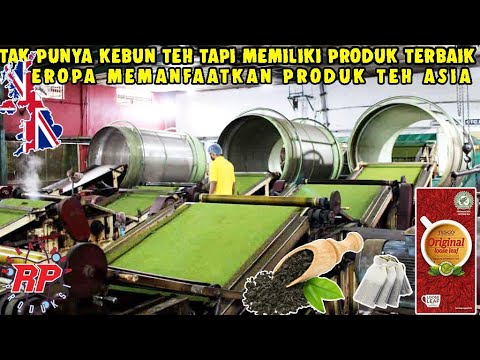
BEGINI PROSES PEMBUATAN TEH CELUP DI PABRIK MODERN | PROSES PERJALANAN TEH DARI KEBUN KE KONSUMEN

How Nestea is Made in a Factory | Inside the Iced Tea Production Line
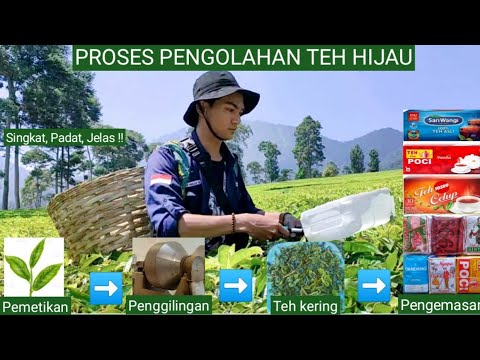
proses pengolahan teh hijau dari pemetikan hingga pengemasan
Pemangkasan pada Tanaman Teh

Festive China: Spring
P5 - Pembuatan Teh sebagai Rekayasa Teknologi Pangan🍃🫖
5.0 / 5 (0 votes)
