Dampak Penjajahan Jepang di Berbagai Bidang
Summary
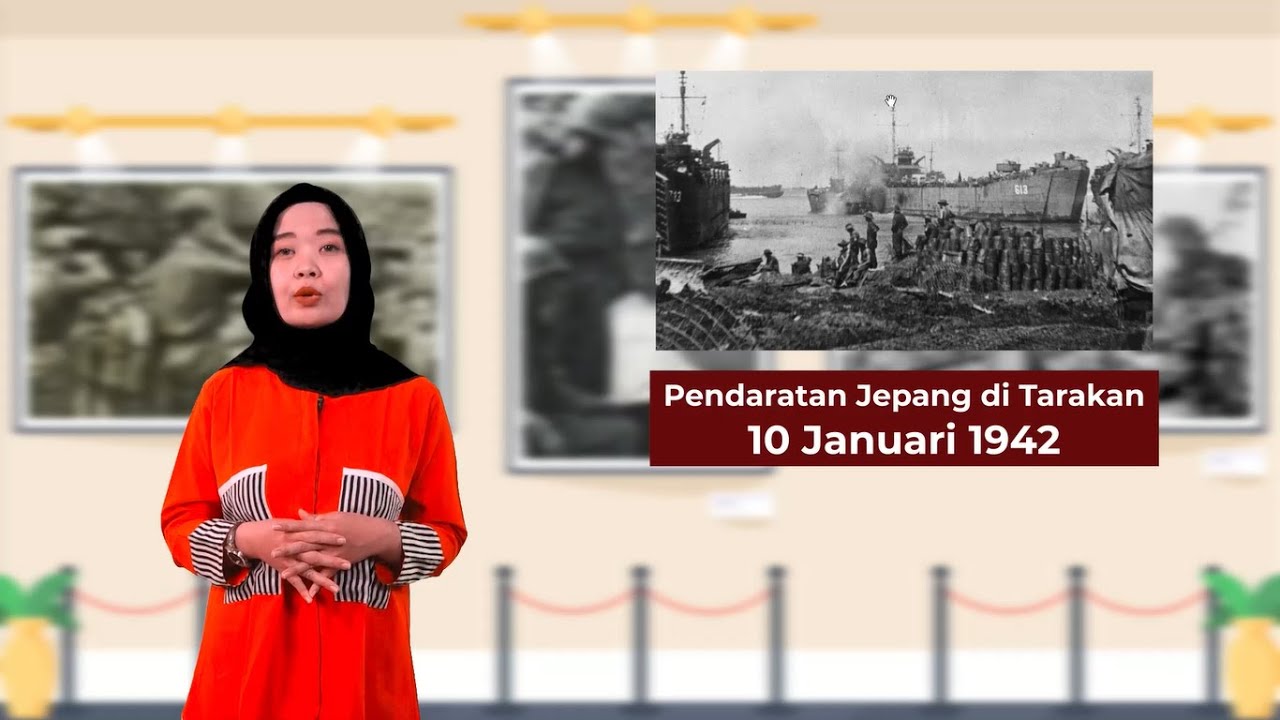
TLDRThis video explores the Japanese occupation of Indonesia from 1942 to 1945 and its profound impact across political, economic, social, cultural, and military spheres. It explains how Japan dismantled the Dutch colonial system and imposed a centralized military government, while mobilizing Indonesian youth through organizations such as Seinendan and Keibodan. The occupation led to severe economic exploitation, strict control of production and distribution, and forced labor under the Romusha system. Propaganda, censorship, and educational reforms reshaped society, while military training through groups like PETA later contributed to the formation of the Indonesian National Armed Forces. Despite its brief duration, the occupation significantly influenced Indonesia’s path toward independence.
Takeaways
- 😀 Japan's occupation of Indonesia lasted from 1942 to 1945, although it was brief, it had a significant impact on various aspects of Indonesian life.
- 😀 The Japanese military government replaced the Dutch colonial system with a centralized structure that controlled many aspects of Indonesian society.
- 😀 Youth organizations like Seinendan and Keibodan were established by Japan to train Indonesian youth and foster loyalty to the Japanese regime.
- 😀 Japan exploited Indonesia's natural resources to support its war efforts in the Asia-Pacific region, which led to shortages and a decline in living standards for the population.
- 😀 Forced labor (Romusha) was implemented, with Indonesians being coerced into working without fair compensation for Japanese projects.
- 😀 Japanese propaganda and censorship were heavily used to gain local support and suppress dissent, manipulating information that threatened their control.
- 😀 The Japanese education system was altered to teach Japanese values and language, replacing Dutch as the language of instruction.
- 😀 Freedoms, including the right to assemble and express opinions, were restricted under the Japanese occupation, limiting civil liberties.
- 😀 Local Indonesian culture was co-opted for the benefit of Japan's propaganda and military goals.
- 😀 Japan formed volunteer military forces like the Peta (Defenders of the Homeland) to strengthen their military presence in Indonesia, providing military training to Indonesian youth.
- 😀 Despite the short duration of the occupation, its lasting effects on Indonesia's military structure contributed to the formation of the Indonesian National Army (TNI) after independence.
Q & A
When did the Japanese occupation of Indonesia begin and end?
-The Japanese occupation of Indonesia began in 1942 and ended in 1945, lasting approximately three years during World War II.
How did Japan restructure the political system in Indonesia during its occupation?
-Japan dissolved the Dutch colonial administration and replaced it with a centralized military government that controlled nearly all aspects of Indonesian life.
What were Seinendan and Keibodan, and why were they established?
-Seinendan and Keibodan were youth organizations established by Japan to train Indonesian youth in discipline and basic military skills, helping support Japan’s wartime objectives.
How did Japan exploit Indonesia’s economy during the occupation?
-Japan exploited Indonesia’s natural resources to support its war efforts in the Asia-Pacific region, tightly controlling production and distribution of goods, which led to shortages and declining living standards.
What was Romusha, and how did it affect the Indonesian people?
-Romusha was a system of forced labor in which Indonesians were compelled to work on Japanese projects without proper compensation, causing widespread suffering and hardship.
How did Japan use propaganda and censorship during its rule?
-Japan used propaganda to gain public support and censored information that threatened its authority, limiting access to independent or critical perspectives.
What changes were made to the education system under Japanese occupation?
-The education system was modified to incorporate Japanese language and values, replacing Dutch influence and promoting loyalty to Japan.
How were civil liberties affected during the Japanese occupation?
-Freedoms such as assembly and expression were restricted, and public activities were closely monitored to prevent opposition to Japanese rule.
What was PETA, and what role did it play during and after the occupation?
-PETA (Pembela Tanah Air) was a volunteer army formed by Japan to strengthen its military presence in Indonesia. After independence, former PETA members contributed to the formation of the Indonesian National Army (TNI).
In what ways did the Japanese occupation influence Indonesia’s path to independence?
-Although brief, the occupation reshaped political structures, trained Indonesian youth in military skills, and weakened Dutch control, all of which contributed to Indonesia’s eventual struggle for and achievement of independence.
Outlines

This section is available to paid users only. Please upgrade to access this part.
Upgrade NowMindmap

This section is available to paid users only. Please upgrade to access this part.
Upgrade NowKeywords

This section is available to paid users only. Please upgrade to access this part.
Upgrade NowHighlights

This section is available to paid users only. Please upgrade to access this part.
Upgrade NowTranscripts

This section is available to paid users only. Please upgrade to access this part.
Upgrade NowBrowse More Related Video
TIRANI MATAHARI TERBIT
VIDEO PEMBELAJARAN SEJARAH KEHIDUPAN BANGSA INDONESIA PADA MASA PENDUDUKAN
Masa Pendudukan Jepang di Indonesia (1942-1945)
Materi Organisasi Militer dan Semi Militer Bentukan Jepang Serta Perbudakan Jepang di Indonesia
Kebijakan kebijakan Pendudukan Jepang di Indonesia

Sejarah Romusha di Indonesia
5.0 / 5 (0 votes)
