CARA MUDAH Mencari Topik Penelitian | Tirta Mursitama
Summary
TLDRIn this video, the presenter discusses how to find relevant research topics for thesis, dissertations, and other academic projects, especially in the field of international relations. Using ASEAN meetings as an example, the presenter emphasizes the importance of recognizing real-world phenomena, such as multilateral diplomacy and current global issues like renewable energy and electric vehicle industries. The process involves connecting current events with existing literature to identify gaps and research opportunities. The presenter encourages students to stay informed, think critically, and use real-world data to develop meaningful research topics.
Takeaways
- 😀 Recognizing real-world phenomena is crucial for identifying potential research topics, especially for students in International Relations or other fields.
- 😀 Keeping an eye on global events and meetings, such as ASEAN ministerial meetings, can offer valuable insights and research opportunities.
- 😀 Understanding the agendas discussed in multilateral meetings can help in identifying relevant research topics related to national interests and international cooperation.
- 😀 Investigating the presence of different countries at meetings can provide insights into which nations are focused on specific issues, making it a possible area of research.
- 😀 Exploring the protocols and mechanisms of international meetings (e.g., who speaks, who controls the flow) can lead to research ideas, especially for those interested in diplomacy and international relations.
- 😀 In addition to multilateral diplomacy, emerging technologies such as big data and the metaverse can provide inspiration for research in fields like business, engineering, and political science.
- 😀 After identifying a real-world phenomenon, it’s important to dive into current literature and theories to find gaps or unexplored areas that can form the basis of a research project.
- 😀 Connecting theoretical knowledge with practical examples from recent events or phenomena helps bridge the gap between theory and practice in research.
- 😀 Comparing ideal or normative theories with real-world implementation can uncover discrepancies or areas of improvement, which could serve as a research focus.
- 😀 The video encourages a continuous cycle of observing real-world events, reviewing current literature, and identifying knowledge gaps, which is essential for formulating research topics and writing impactful theses or dissertations.
Q & A
What is the first step suggested for choosing a research topic?
-The first step is to recognize real-world phenomena. It's important to stay aware of current events or trends that are relevant to your field of study. This allows you to identify emerging topics or issues that could be explored in your research.
How can international relations students apply real-world phenomena to their research?
-International relations students can apply real-world phenomena by examining events like multilateral meetings or economic developments in regions like ASEAN. These events often highlight topics such as national interests, policy discussions, and diplomatic strategies, which can serve as rich sources for research topics.
What specific event does the speaker mention to demonstrate recognizing real-world phenomena?
-The speaker mentions the 54th ASEAN Ministerial Meeting in Siem Reap, Cambodia, as an example of a real-world event that can provide research opportunities, especially in topics like multilateral diplomacy, national interests, and regional cooperation.
Why is it important to know the agenda of a meeting like the ASEAN conference?
-Knowing the agenda allows researchers to explore specific topics that were discussed, such as national priorities or regional issues. This knowledge can lead to a more focused and relevant research topic, such as the interests of particular countries involved or the implementation of agreements.
What role does understanding the participants in an event play in choosing a research topic?
-Understanding who attends an event and what topics they focus on can help identify patterns, national interests, or even conflicts in perspectives. This can form the basis of a research question, such as analyzing the diplomatic stances of specific countries or understanding their influence in multilateral settings.
What is the second step suggested for finding a research topic?
-The second step is to revisit theory, concepts, and literature related to the chosen real-world phenomenon. This helps to frame the issue within existing academic frameworks and find gaps in current research that your work could address.
How can literature be used to identify gaps in research?
-By reviewing current literature, you can compare the ideal or normative theories with practical implementations or emerging trends. This can reveal discrepancies or underexplored areas that could be further investigated, such as the impact of new technologies or changes in international diplomacy.
How does the example of renewable energy relate to finding a research topic?
-The example of renewable energy, particularly in the ASEAN context, shows how real-world issues (like the push for cleaner energy) can be explored through academic literature. By researching topics like green energy, emissions reduction, or electric vehicles, students can find areas where theory and practice diverge.
What type of students might benefit from the tips shared in the video?
-While the tips are primarily aimed at international relations students, they can be beneficial for students in other fields as well. Whether in business, economics, or engineering, the process of identifying real-world phenomena and linking them to academic theory is universally applicable.
What is the broader significance of these research topic suggestions?
-The broader significance lies in applying academic research to real-world issues. By linking research to current events or phenomena, students can contribute to solving global challenges and influence policy, business practices, or technological advancements.
Outlines

This section is available to paid users only. Please upgrade to access this part.
Upgrade NowMindmap

This section is available to paid users only. Please upgrade to access this part.
Upgrade NowKeywords

This section is available to paid users only. Please upgrade to access this part.
Upgrade NowHighlights

This section is available to paid users only. Please upgrade to access this part.
Upgrade NowTranscripts

This section is available to paid users only. Please upgrade to access this part.
Upgrade NowBrowse More Related Video

Como fazer fichamentos eficientes de texto acadêmico

TIPS DAN PANDUAN PENGERJAAN SKRIPSI TOPIK UI UX!

Jenis Jenis Penelitian Bidang Pendidikan

Keys of Scientific Research Course: Lecture (13) Google Scholars Part (1)

Scopus Revision&Problemsمراجعه سريعه على ما تم شرحه وحل بعض المشكلات
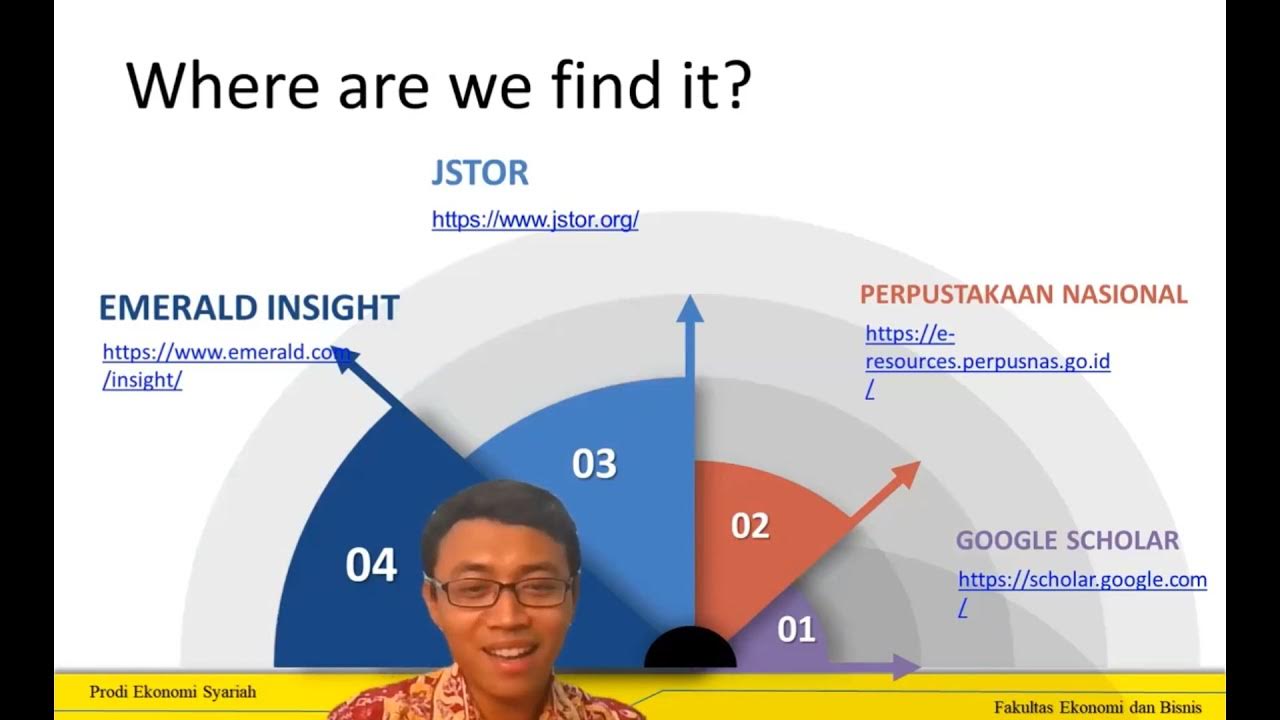
How to Find Research Paper_MK Seminar Ekonomi Syariah
5.0 / 5 (0 votes)
