SUMMARY OF THE EYES ARE NOT HERE BY – RUSKIN BOND
Summary
TLDRThe video discusses Ruskin Bond's short story 'The Eyes Are Not Here,' highlighting the theme of perception and human connection. The narrator, a blind young man, travels to Dehradun, where he meets a young girl, also blind, on the train. Through their interaction, the narrator maintains the illusion of being a sighted person, and the story culminates in a surprising twist when it is revealed that the girl is blind as well. Bond's story explores how the visually challenged experience the world, conveying profound insights about self-reliance, empathy, and shared human experiences.
Takeaways
- 😀 Ruskin Bond, born on May 19, 1934, is a renowned Indian writer of fiction in English. He spent much of his childhood in Shimla, which influences his stories.
- 😀 Ruskin Bond received the Sahitya Akademi Award in 1992 and the Padma Shri in 1999 for his contributions to literature.
- 😀 The short story 'The Eyes Are Not Here' is written by Ruskin Bond and focuses on the life of a blind narrator.
- 😀 The title 'The Eyes Are Not Here' refers to the concept that eyes are windows to the world, yet the narrator, who is blind, navigates the world in his own way.
- 😀 The narrator of the story is a blind young man who is traveling to Dehradun, and the story is narrated in the first person.
- 😀 Despite his blindness, the narrator does not pity himself and lives a matter-of-fact life, which makes the story touching and relatable.
- 😀 The story touches on themes of empathy and self-perception, showing how the blind narrator interacts with the world and others without letting his disability define him.
- 😀 The narrator meets a young girl on the train, and through their conversation, he tries to hide his blindness, giving the impression that he is a normal person.
- 😀 The twist at the end of the story reveals that the young girl, like the narrator, is also blind, challenging the reader's assumptions about the characters.
- 😀 The story emphasizes that the experience of blindness doesn't limit one's ability to connect with others and see the world in their own unique way, drawing a parallel to the life of Helen Keller.
Q & A
Who is the author of the short story *The Eyes Are Not Here*?
-The author of the short story *The Eyes Are Not Here* is Ruskin Bond, a noted Indian writer known for his works in English fiction.
When was Ruskin Bond born?
-Ruskin Bond was born on May 19, 1934.
What significant awards did Ruskin Bond receive?
-Ruskin Bond was awarded the Sahitya Akademi Award in 1992 and the Padma Shri in 1999.
How does the narrator in *The Eyes Are Not Here* perceive his own blindness?
-The narrator in the story does not pity himself for being blind. He lives a normal life without feeling sorry for his condition, presenting a matter-of-fact attitude toward his disability.
What is the central theme of *The Eyes Are Not Here*?
-The central theme of the story revolves around disability, perception, and how the world is experienced by blind individuals. It also explores how blind people navigate their lives with dignity and independence.
How does the narrator in the story interact with the blind girl?
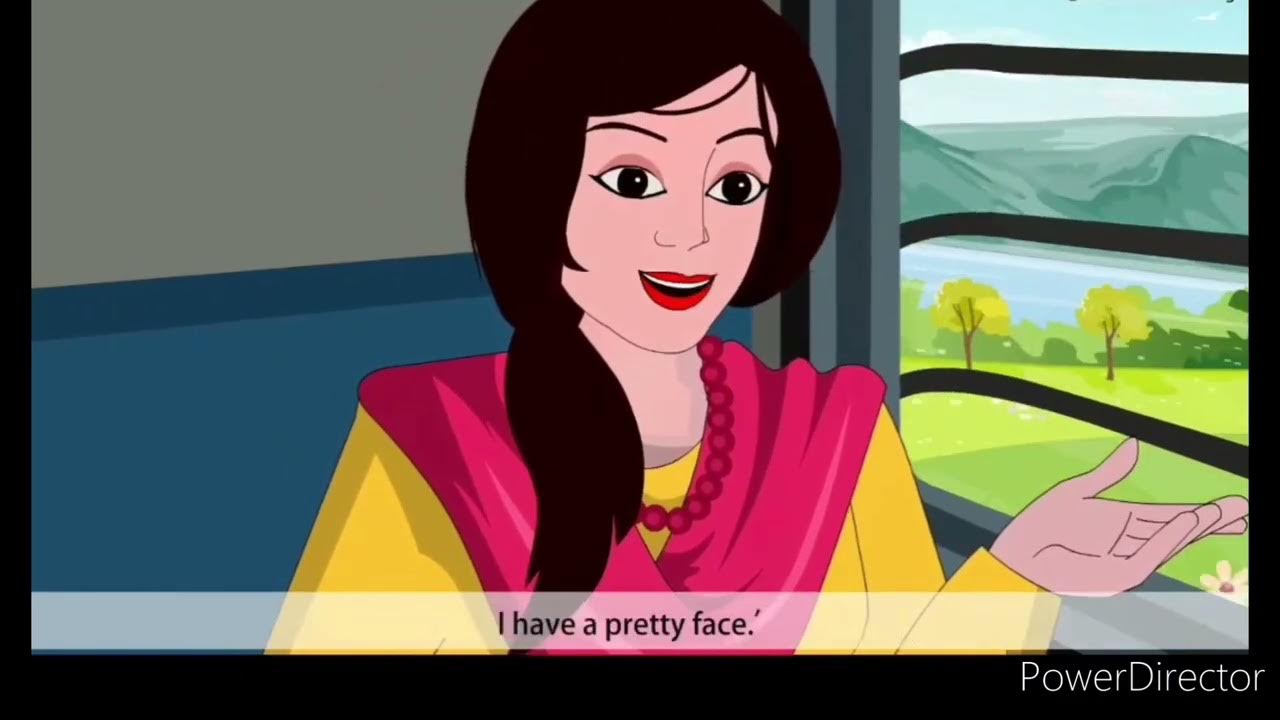
-The narrator interacts with the blind girl as if he is not blind, complimenting her on her 'interesting face' and engaging in conversation without revealing his blindness. Both characters behave as though they can see each other.
What role does the twist at the end play in the story?
-The twist at the end reveals that the girl, like the narrator, is also blind. This unexpected revelation deepens the emotional impact of the story, highlighting how both characters live their lives without allowing their blindness to define them.
What is the significance of the narrator’s comment about the girl's 'interesting face'?
-The narrator's comment about the girl's 'interesting face' is significant because, being blind, he cannot see her face. His compliment stands out as it contrasts with others who call her 'pretty,' showcasing his ability to connect with her beyond physical appearance.
How does the narrator react when the girl is about to leave the train?
-As the girl is about to get off the train, the narrator feels an urge to touch her hair, but his modesty prevents him from doing so. This moment highlights the closeness and intimacy he feels toward her despite both being blind.
What is the role of the new passenger who enters the compartment?
-The new passenger's role is pivotal as he unknowingly reveals the story's twist. When asked by the narrator about the girl's hair, he responds by saying he noticed her eyes, not her hair, and mentions that her beautiful eyes were of no use—revealing that the girl, like the narrator, is blind.
Outlines

This section is available to paid users only. Please upgrade to access this part.
Upgrade NowMindmap

This section is available to paid users only. Please upgrade to access this part.
Upgrade NowKeywords

This section is available to paid users only. Please upgrade to access this part.
Upgrade NowHighlights

This section is available to paid users only. Please upgrade to access this part.
Upgrade NowTranscripts

This section is available to paid users only. Please upgrade to access this part.
Upgrade NowBrowse More Related Video
THE EYES HAVE IT. English class 8

Menulis Puisi Berdasarkan Tema dan Pesan Cerpen | Kelas XI | Serambi Bu Tenri | Kurikulum Merdeka

MATERI BAHASA SUNDA SMP KELAS VIII CARITA PONDOK (BAGIAN 1)

Materi Cerkak kangge siswa kelas 8 SMP/MTs

"EYE TO EYE" SONG BY TAHER SHAH | AWARD-WINNING |

TEKS CERPEN (DEFINISI, CIRI-CIRI, MANFAAT CERPEN)
5.0 / 5 (0 votes)
