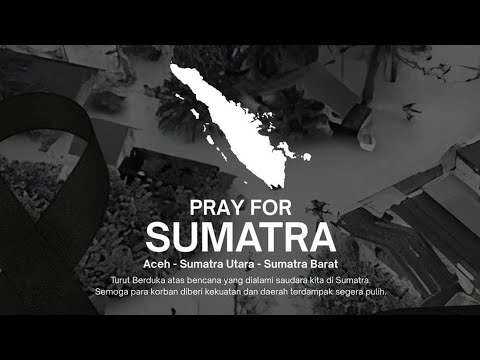
BENCANA SUMATERA SALAH SIAPA?
Summary
TLDRThe recent floods and landslides in Sumatra are not sudden natural disasters but the result of decades of environmental degradation. Deforestation, illegal logging, and unchecked industrial expansion have destabilized the region's ecosystem, making it more vulnerable to extreme weather. The government's delayed response and lack of national disaster status exacerbate the crisis, with affected communities facing immense hardship. The consequences of human greed and political negligence are clear, as local residents struggle to survive amid the devastation. This ecological disaster highlights the urgent need for sustainable policies and proactive government action.
Takeaways
- 😀 The speed at which a government responds to a disaster greatly affects the well-being and survival of its citizens.
- 😀 Slow or uneven distribution of aid during a disaster can lead to societal instability, erosion of trust, and a breakdown in social solidarity.
- 😀 Looting in disaster scenarios is not necessarily driven by criminal intent, but rather by desperation due to lack of basic resources like food, water, and safety.
- 😀 Victims of disasters, in some cases, engage in looting not for personal gain, but because they have gone without proper aid and have urgent survival needs.
- 😀 Looting is a clear indication that the system has failed to meet the most basic needs of the affected population, such as access to food and security.
- 😀 The government’s delayed response to disasters and its failure to address the root causes of ecological destruction exacerbate the crisis.
- 😀 Ecological degradation, particularly in areas like Sumatra, is a major contributor to the intensity and frequency of natural disasters, further destabilizing vulnerable communities.
- 😀 The exploitation of natural resources, such as forests and rivers, for industrial purposes accelerates environmental damage and increases disaster vulnerability.
- 😀 Media coverage tends to drive government response, but often only under the spotlight, making the state’s actions seem superficial and reactive rather than proactive.
- 😀 The quote from Fandana Shifa's *Staying Alive* highlights the reality that when the environment is destroyed, the most vulnerable people suffer the most, and human destruction follows.
Q & A
What is the primary cause of the ecological disaster in Sumatera, according to the transcript?
-The primary cause of the ecological disaster in Sumatera is the long-term ecological degradation caused by deforestation, aggressive land clearing for palm oil plantations, illegal logging, and uncontrolled mining. These activities have destabilized the region's geomorphology, making it vulnerable to floods and landslides when heavy rain occurs.
Why is the heavy rain not considered the main cause of the disaster in Sumatera?
-The heavy rain is not the main cause of the disaster because, while it triggers the events, it is not the root cause. The main issue is the loss of the natural ability of the land to absorb water and prevent erosion due to deforestation and other human activities that have destroyed the ecosystem's stability.
What role does human greed play in the environmental destruction of Sumatera?
-Human greed plays a central role as it drives the destruction of the environment for short-term economic gain. This includes the over-exploitation of natural resources through illegal and legal logging, the expansion of palm oil plantations, and unsustainable mining practices. These actions compromise the long-term health of the ecosystem and contribute to the frequent natural disasters in the region.
What is meant by 'ecological criminality' as mentioned in the transcript?
-'Ecological criminality' refers to the illegal deforestation and environmental exploitation conducted by organized networks involving field operators, capital owners, and corrupt officials. This widespread illegal activity severely damages the environment and further accelerates ecological collapse.
How does the loss of forest cover contribute to floods and landslides?
-The loss of forest cover removes the natural mechanisms that protect the land. Forests act as a sponge that absorbs rainfall, reduces erosion, and stabilizes the soil. Without these protections, rainwater runs off the land more quickly, leading to devastating floods and landslides that wash away soil, rocks, and debris.
Why has the Indonesian government not declared the Sumatera disaster a national disaster yet?
-The government has not yet declared the Sumatera disaster a national disaster because of bureaucratic delays and a lack of urgency in responding to the scale of the crisis. Despite hundreds of deaths and widespread damage, the disaster has not been officially recognized as a national emergency, which delays the mobilization of resources and aid.
How does the slow response from the government impact the affected people in Sumatera?
-The slow response from the government leads to a delayed distribution of aid, leaving affected people without food, water, and basic necessities for an extended period. This exacerbates the physical and mental stress of the survivors and, in some cases, leads to desperate actions like looting as people struggle to survive.
What is the connection between ecological destruction and gender inequality in Sumatera?
-The connection between ecological destruction and gender inequality is highlighted by how women, particularly in rural areas, are the first to feel the negative impacts of environmental degradation. Women are primarily responsible for collecting water, managing households, and maintaining crops. As the environment deteriorates, they face increased workloads and greater vulnerability, especially during natural disasters.
How does deforestation in Sumatera affect local communities, especially women and children?
-Deforestation affects local communities by destroying their sources of livelihood, such as farming and access to clean water. Women and children are especially vulnerable because they often have the responsibility of managing the household and ensuring the well-being of the family. In times of disaster, these groups are more likely to face physical and emotional trauma, as well as a higher risk of death due to their limited mobility and access to resources.
What is the broader societal issue underlying the repeated ecological disasters in Sumatera?
-The broader societal issue is a systemic disregard for the long-term health of the environment in favor of short-term economic gains. The policies that allow for the exploitation of natural resources without considering their ecological consequences, coupled with corruption and poor regulation, have created a cycle of environmental destruction and recurring disasters.
Outlines

This section is available to paid users only. Please upgrade to access this part.
Upgrade NowMindmap

This section is available to paid users only. Please upgrade to access this part.
Upgrade NowKeywords

This section is available to paid users only. Please upgrade to access this part.
Upgrade NowHighlights

This section is available to paid users only. Please upgrade to access this part.
Upgrade NowTranscripts

This section is available to paid users only. Please upgrade to access this part.
Upgrade NowBrowse More Related Video

Bencana Banjir Di Aceh, Sumatera Utara, Sumatera Barat, Lebih Dahsyat Dari Tsunami 2004
Teks Eksplanasi Fenomena Alam | Banjir di Sumatera (Bahasa Indonesia Kelas IX)

Mengenal La Nina, El Nino & ENSO

Ngeri! Banjir Bandang Terjang Sumbar, Sumut Dan Aceh! | iNews Sore (27/11)

TM 2 Bahasa Indonesia + IPS: Wawancara Masyarakat Sekolah dan Interaksi Sosial
Banjir Bandang dan Tanah Longsor di Sukabumi, BMKG: Masih Berpotensi Terjadi
5.0 / 5 (0 votes)
