5 Letusan Gunung Berapi Terdahsyat di Indonesia
Summary
TLDRThe video delves into the devastating eruptions of some of Indonesia's most powerful volcanoes, including Gunung Semeru, Krakatau, Toba, Galunggung, and Tambora. It highlights the impacts of these eruptions, such as the catastrophic loss of life, massive tsunamis, and global climatic shifts. The script also touches on Indonesia’s vulnerability due to its location on the Pacific Ring of Fire. The video concludes by marking International Volcano Day, reflecting on the history and ongoing threats posed by volcanic activity in the region.
Takeaways
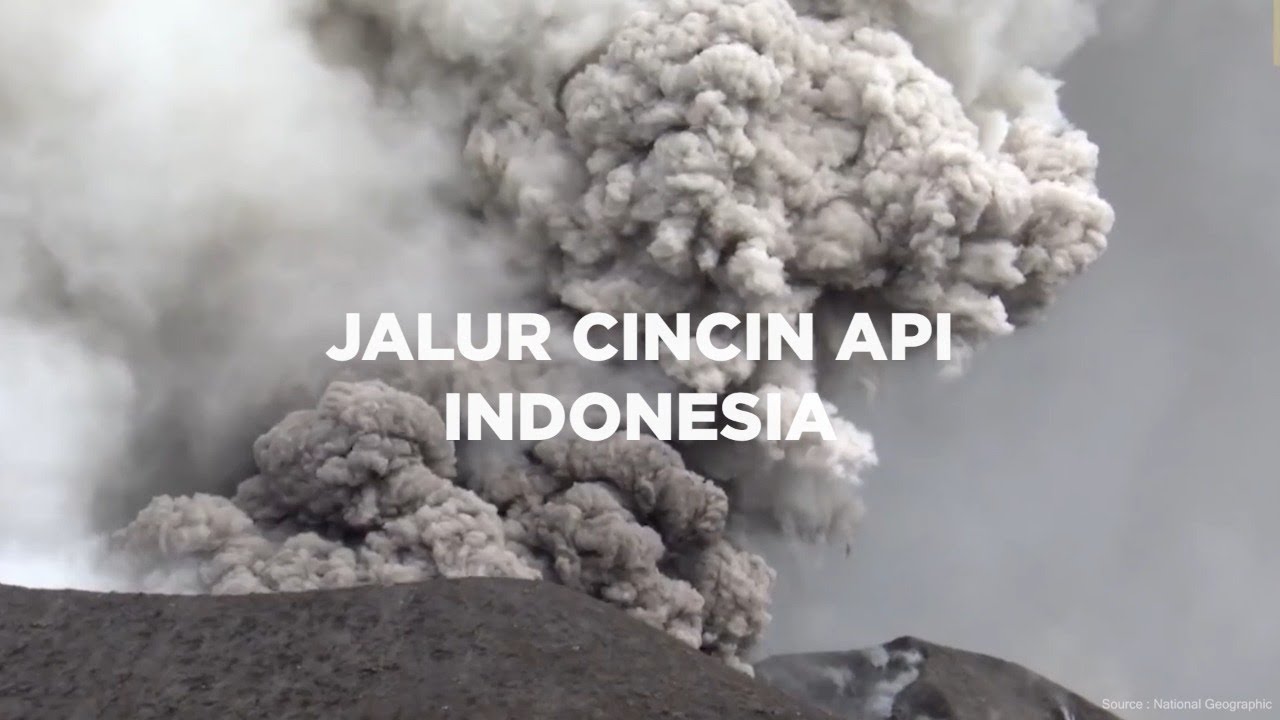
- 😀 The eruption of Mount Semeru in East Java on December 14, 2021, caused widespread destruction in Lumajang and surrounding areas, with casualties and property losses from the hot pyroclastic flow.
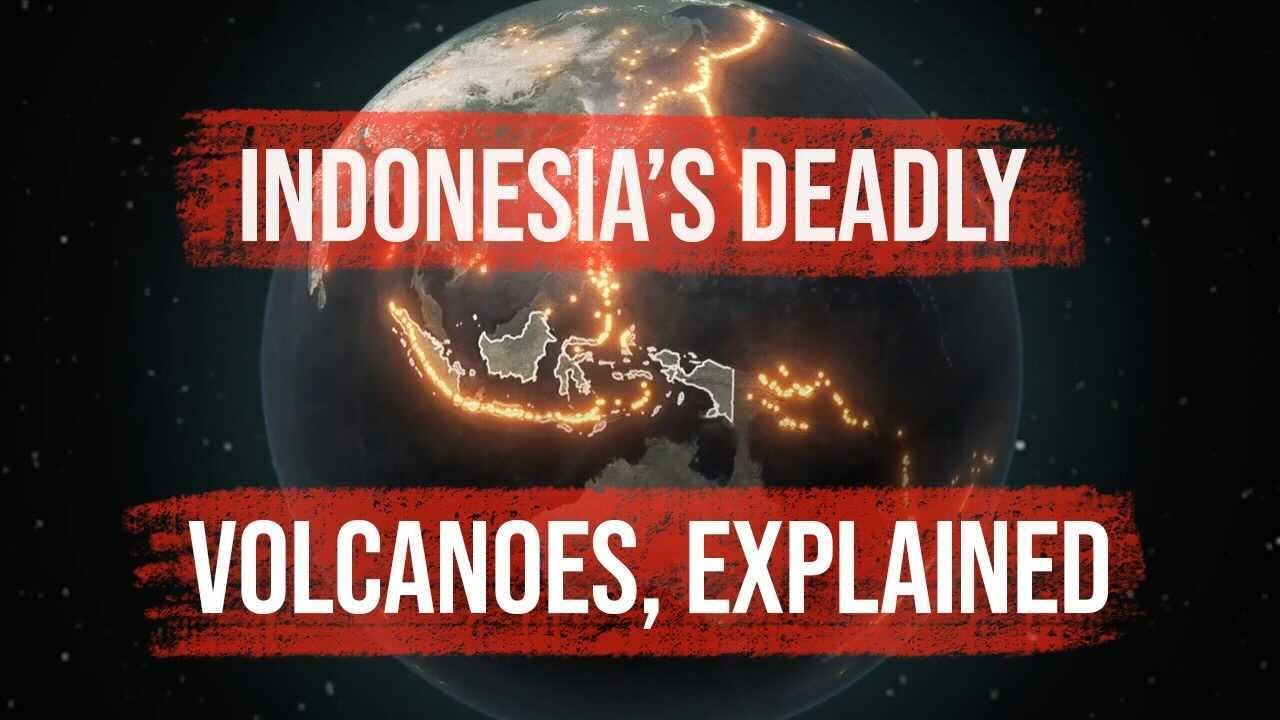
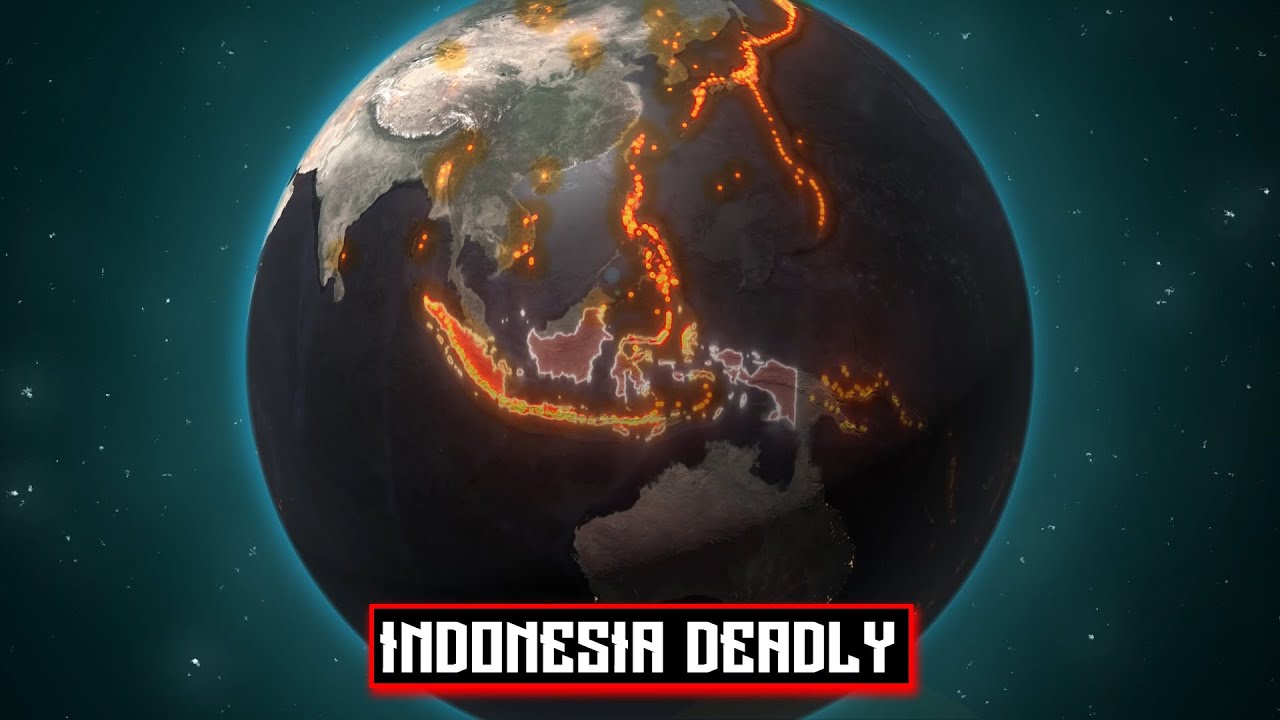
- 😀 Indonesia, located along the equator and in the Pacific Ring of Fire, is highly prone to natural disasters, including large earthquakes and volcanic eruptions.
- 😀 The Pacific Ring of Fire is a tectonic plate boundary that frequently triggers significant earthquakes and volcanic activity.
- 😀 Mount Toba in Sumatra erupted around 75,000 years ago, releasing 2800 km³ of volcanic material and creating Lake Toba, which had a global climatic impact.
- 😀 The eruption of Mount Toba affected global temperatures, leading to a cooling of the Earth's climate and impacting agriculture across the world.
- 😀 The eruption of Krakatau on August 27, 1883, was the most powerful in recorded history, with an explosive volcanic index of level 6, and its effects were heard as far as Australia and Rodrigues Island.
- 😀 Krakatau's eruption caused a massive tsunami, reaching a height of 36 meters, and led to the deaths of around 35,000 people.
- 😀 The eruption of Mount Galunggung in 1822 was preceded by ominous signs, such as a rumbling sound and murky water, and resulted in the deaths of approximately 4,000 people.
- 😀 Mount Papandayan erupted in 1772, destroying 40 villages and causing around 2,957 fatalities, with its debris reaching up to 10 kilometers.
- 😀 Mount Tambora's catastrophic eruption on April 10, 1815, led to the deaths of over 71,000 people and had a significant global climatic effect, resulting in a year without summer in Europe and North America.
Q & A
What natural event occurred on December 14, 2021, in East Java, Indonesia?
-On December 14, 2021, Mount Semeru in East Java erupted, releasing a hot ash cloud that devastated the surrounding area, including Lumajang. This eruption caused casualties and destroyed property.
Why is Indonesia prone to natural disasters like volcanic eruptions?
-Indonesia is located on the Pacific Ring of Fire, a tectonic plate boundary area that is highly active and prone to frequent earthquakes and volcanic eruptions due to tectonic movements in the region.
What was the significance of the eruption of Mount Toba around 75,000 years ago?
-The eruption of Mount Toba in Sumatra 75,000 years ago was one of the largest in history, releasing about 2800 km3 of volcanic material. It had global climatic effects and led to the formation of Lake Toba.
What were the effects of the 1883 eruption of Krakatau?
-The 1883 eruption of Krakatau was the most powerful eruption in recorded history, with an explosive force reaching level 6 on the Volcanic Explosivity Index (VEI). It caused a massive tsunami, killed over 35,000 people, and was heard as far as Australia and the Rodriguez Islands in the Indian Ocean.
What happened during the eruption of Mount Galunggung in 1822?
-The eruption of Mount Galunggung in 1822 was preceded by ominous signs such as loud rumblings and discolored water. The eruption caused lahar flows and killed about 4,000 people, destroying large areas around the mountain.
How did the eruption of Mount Papandayan in 1772 impact the surrounding region?
-The 1772 eruption of Mount Papandayan destroyed 40 villages and claimed the lives of nearly 3,000 people. The eruption was accompanied by massive landslides that spread over a 10 km area, with a width of 5 km.
What were the global consequences of the 1815 eruption of Mount Tambora?
-The 1815 eruption of Mount Tambora was one of the most devastating volcanic events in history, with over 71,000 fatalities. The eruption led to a 'Year Without a Summer' in Europe and North America, causing widespread crop failures and famine due to the global cooling effect caused by volcanic ash in the atmosphere.
What is the Volcanic Explosivity Index (VEI), and how is it relevant to volcanic eruptions?
-The Volcanic Explosivity Index (VEI) is a scale that measures the explosiveness of volcanic eruptions. It ranges from 0 to 8, with higher values indicating more powerful eruptions. The 1883 eruption of Krakatau, for example, was a VEI-6 event, marking it as an extraordinarily powerful eruption.
What are some of the long-term impacts of volcanic eruptions on the global climate?
-Volcanic eruptions can cause short-term cooling of the Earth's atmosphere by injecting large amounts of volcanic ash and gases, such as sulfur dioxide, into the stratosphere. This can lead to disruptions in global weather patterns, including temperature drops and crop failures, as seen during the eruption of Mount Tambora.
How did the eruption of Mount Semeru in 2021 differ from previous eruptions in Indonesia?
-The 2021 eruption of Mount Semeru was similar to other Indonesian eruptions in terms of its explosive nature, but it was more localized, affecting the Lumajang region in East Java specifically. The eruption's aftermath resulted in widespread damage, but the scale was smaller compared to the catastrophic events like Krakatau or Tambora.
Outlines

This section is available to paid users only. Please upgrade to access this part.
Upgrade NowMindmap

This section is available to paid users only. Please upgrade to access this part.
Upgrade NowKeywords

This section is available to paid users only. Please upgrade to access this part.
Upgrade NowHighlights

This section is available to paid users only. Please upgrade to access this part.
Upgrade NowTranscripts

This section is available to paid users only. Please upgrade to access this part.
Upgrade Now

5.0 / 5 (0 votes)
