The (truly) Periodic Table
Summary
TLDRThe periodic table is a unique chart that organizes 118 chemical elements, each with distinct atomic structures and properties. Elements like hydrogen, carbon, and oxygen combine to form everything around us, from water to DNA. The table is structured to reflect electron distribution in atoms, with elements in the same column having similar properties. This arrangement helps predict how elements interact, making the periodic table essential for understanding chemistry. Despite its complexity, the periodic table effectively maps the entire universe, showing how atoms combine to create the material world.
Takeaways
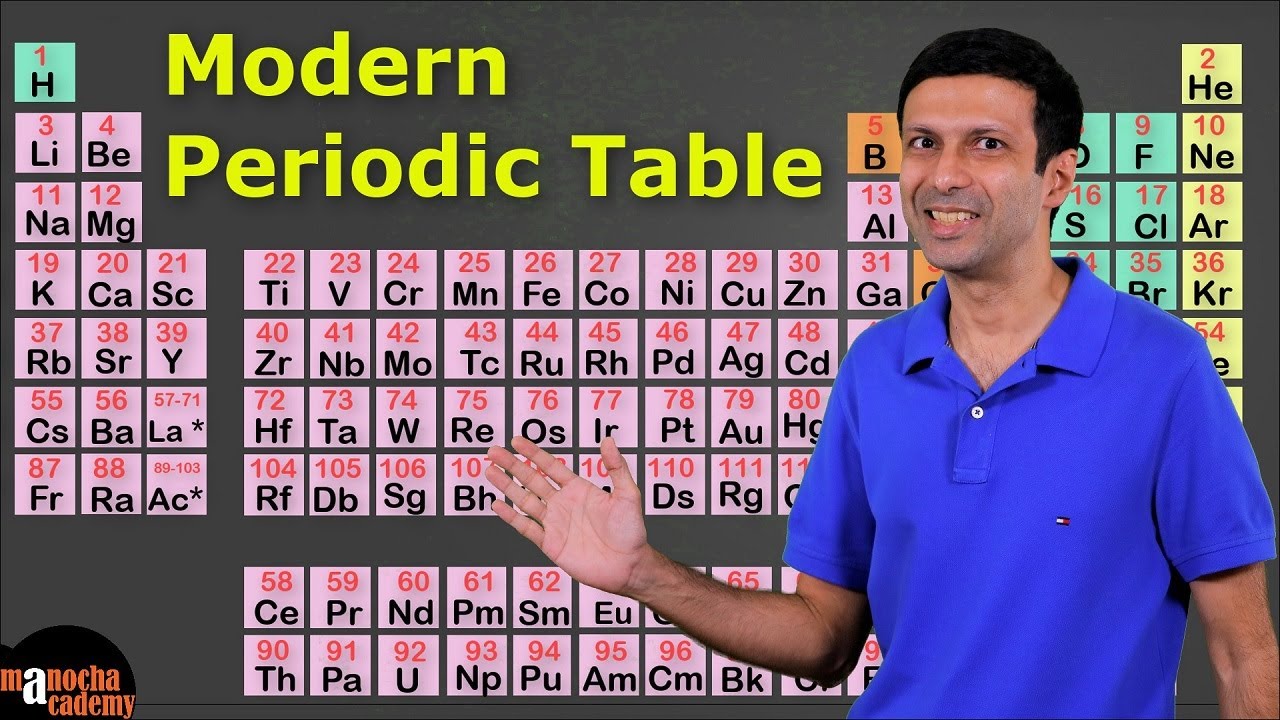
- 😀 The periodic table is a unique chart with a distinct shape, displaying all 118 chemical elements in the known universe.
- 😀 Each element on the periodic table has a chemical symbol, such as C for carbon, O for oxygen, and Fe for iron.
- 😀 The periodic table is divided into elements found in nature (94) and those created in laboratories (24).
- 😀 The universe is primarily made up of hydrogen, with 94% of atoms in stars like the sun being hydrogen.
- 😀 The human body contains mainly oxygen (65%), carbon (18%), and hydrogen (10%) with smaller amounts of other elements.
- 😀 Chemical elements combine to form a variety of compounds, like water (H2O), proteins, and DNA, which are essential for life.
- 😀 An atom is the smallest unit of an element, consisting of protons, neutrons, and electrons, with electrons in layers around the nucleus.
- 😀 The properties of an element are determined by its nucleus and the arrangement of its electrons, especially those in the outermost layer.
- 😀 Elements in the same column of the periodic table share similar electron distributions and therefore have similar properties.
- 😀 The periodic table is structured in a way that reflects periodic trends in element properties, with similarities repeating at regular intervals.
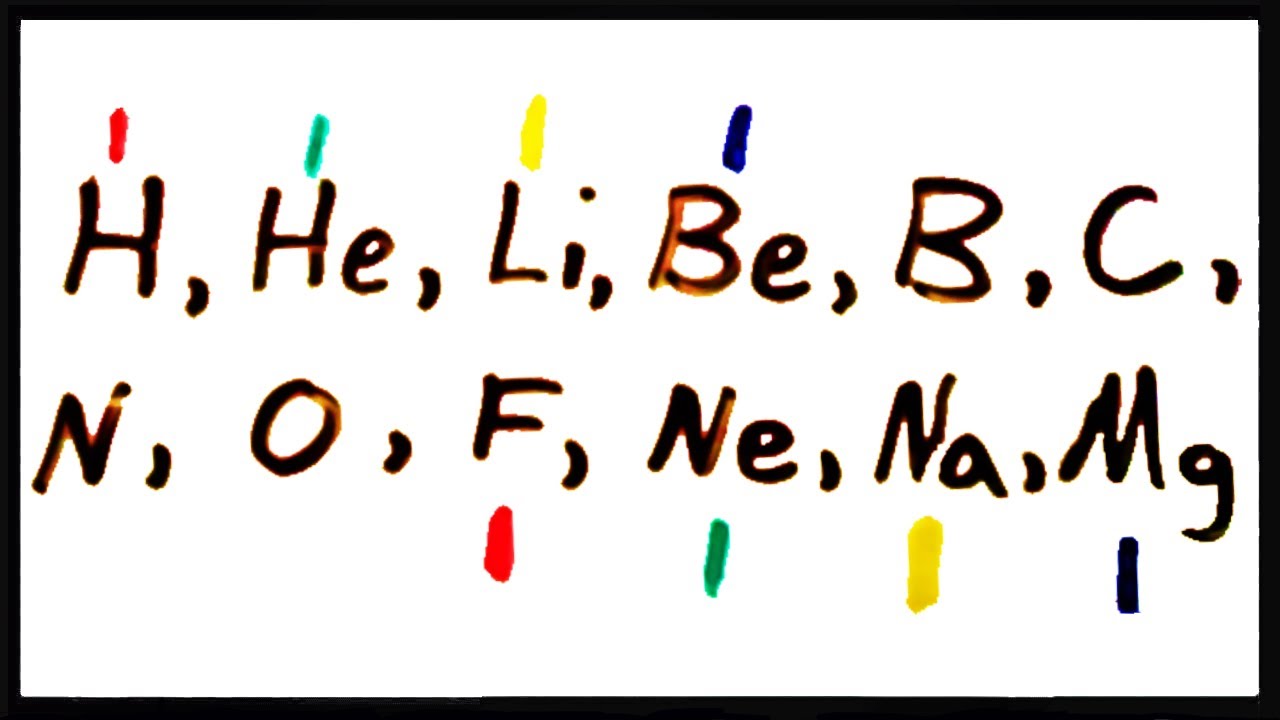
- 😀 The table’s structure also accounts for electron distribution rules, including 2 electrons in the first layer, 8 in the second, and 18 in the third layer.
Q & A
What is the periodic table?
-The periodic table is a chart that represents all 118 chemical elements that constitute the known universe. It arranges elements based on their atomic number and properties.
What do the letters and numbers in the periodic table represent?
-The letters represent the chemical symbols of elements (e.g., C for carbon, O for oxygen), while the numbers typically indicate the atomic number, which corresponds to the number of protons in the element's atom.
How many elements are found in nature, and where are the others obtained?
-94 of the 118 elements can be found in nature. The remaining elements have been created in laboratories.
What are the most abundant elements in the universe and the human body?
-In stars like the sun, hydrogen makes up 94% of all atoms. In the human body, oxygen, carbon, and hydrogen are the most abundant elements.
What is the significance of the atomic number in the periodic table?
-The atomic number represents the number of protons (and usually electrons) in an atom, which determines the element's identity and its chemical properties.
How do atoms combine to form compounds?
-Atoms combine by sharing or transferring electrons, especially from their outermost electron layer. These reactions lead to the formation of various chemical compounds.
What are some examples of everyday substances and the elements they are made from?
-Water is made from hydrogen and oxygen, glass can be made from silica, sugar from carbon, hydrogen, and oxygen, while metals like iron or zinc are also found in everyday objects.
What is an atom and what does it consist of?
-An atom is the smallest unit of a chemical element. It consists of a nucleus containing protons (positively charged) and neutrons (neutral), surrounded by electrons (negatively charged).
How do elements' properties relate to their position in the periodic table?
-The position of an element in the periodic table is determined by its atomic number and electron distribution, which influences its chemical behavior and reactivity.
Why is the periodic table considered 'periodic'?
-The periodic table is considered 'periodic' because the elements show recurring patterns of properties as you move across rows or columns in the table.
How do the electron layers influence an element's reactivity?
-The number of electrons in an element's outermost electron layer determines how it reacts with other elements. Elements with a full outer layer are typically non-reactive, while those with incomplete outer layers tend to bond with others to achieve stability.
Outlines

This section is available to paid users only. Please upgrade to access this part.
Upgrade NowMindmap

This section is available to paid users only. Please upgrade to access this part.
Upgrade NowKeywords

This section is available to paid users only. Please upgrade to access this part.
Upgrade NowHighlights

This section is available to paid users only. Please upgrade to access this part.
Upgrade NowTranscripts

This section is available to paid users only. Please upgrade to access this part.
Upgrade Now


5.0 / 5 (0 votes)
