Expiration Dates Don't Mean What You Think | Adam Ruins Everything
Summary
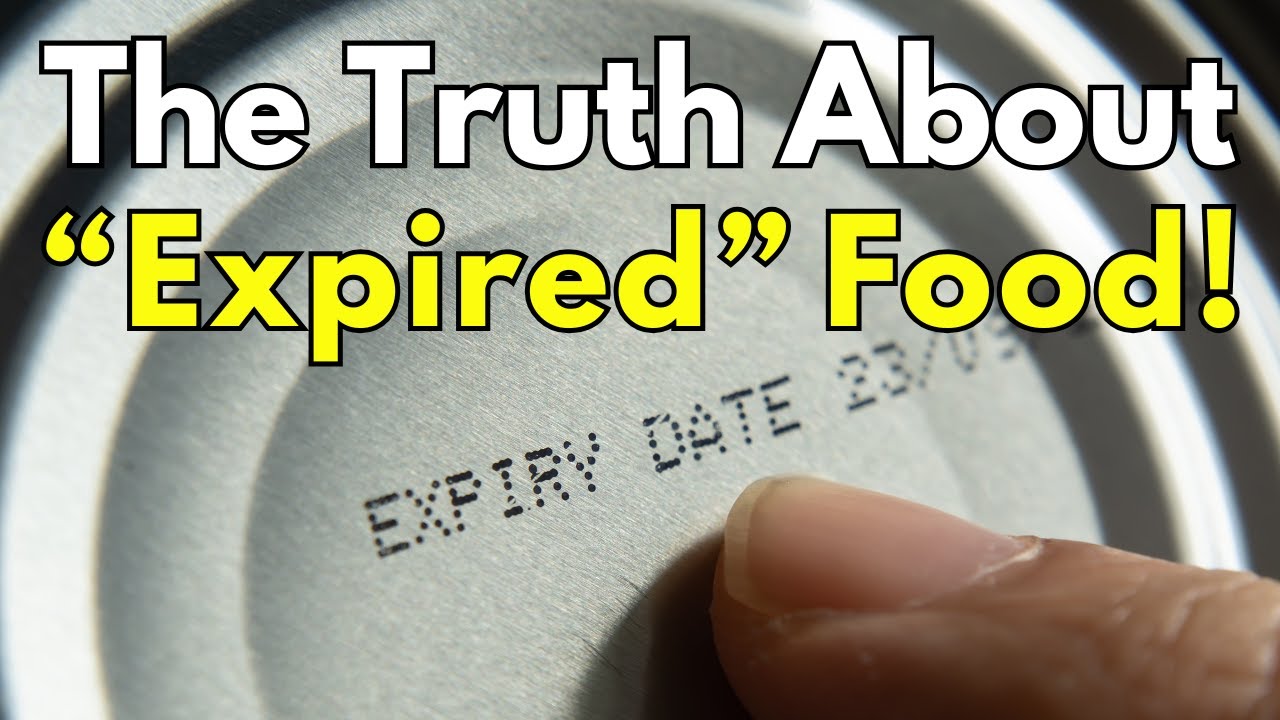
TLDRThis video debunks common myths about food expiration dates, revealing that many foods are still safe to eat long after their 'sell-by' or 'use-by' dates. Eggs can last up to five weeks, and canned foods are safe indefinitely if stored properly. Despite these facts, confusion around these labels leads to massive food waste—40% of the U.S. food supply is discarded prematurely. The video urges consumers to check for signs of spoilage instead of relying on these dates and calls for clearer labeling to reduce waste and combat hunger.
Takeaways
- 📅 Most date labels on food (sell-by, use-by, best-by) do NOT indicate when food becomes unsafe to eat.
- 🥚 Eggs are generally safe to eat 3–5 weeks past the sell-by date, according to food safety experts.
- 🥫 Canned and dried foods can remain safe indefinitely if properly stored, per USDA guidance.
- 🌡️ Improper food handling—such as incorrect fridge temperature or leaving food out—can spoil food faster than any label date.
- 👃 The best way to determine spoilage is by checking smell, color, or texture—not the printed date.
- 🥛 Spoiled milk is an exception: while it may taste bad, pasteurization means it is usually not dangerous to drink.
- 🏛️ The federal government does NOT regulate these date labels (except for baby food); states decide their own rules.
- 🏷️ Manufacturers set date labels primarily to indicate peak taste quality, not safety.
- 🗑️ Americans discard over 160 billion pounds of edible food each year, with confusing date labels being a major cause.
- 📉 About 83% of Americans have thrown away food prematurely because they misunderstood the date on the package.
- 🥫 The “sell-by” date is actually intended for stores’ inventory rotation, not for consumers.
- ⚠️ While voluntary efforts for clearer labeling exist, there is still no consistent national standard.
Q & A
What do sell-by dates actually tell consumers about food safety?
-Sell-by dates do not indicate when food is unsafe to eat. Instead, they are used by manufacturers to suggest when food will taste its best. Food can often still be safe to consume well after the sell-by date, depending on the product and how it's handled.
How much longer can eggs be eaten after the sell-by date?
-Eggs can be safely eaten for three to five weeks after the sell-by date, provided they have been stored properly.
Can canned and dried foods still be safe to eat past their dates?
-Yes, canned and dried foods can be safe indefinitely, as long as they are stored properly. The food doesn't spoil if kept in a cool, dry environment.
What are some factors that can cause food to go bad before its expiration date?
-Improper handling, such as leaving food out of the fridge for too long or setting the fridge at the wrong temperature, can cause food to spoil before its sell-by or use-by date.
Is it safe to drink spoiled milk?
-Milk can be spoiled in terms of taste, but it's still safe to drink because it's pasteurized, which kills harmful bacteria. Spoiled milk won't pose a safety risk, but it may not taste great.
Why does the federal government not regulate the use of sell-by and use-by dates?
-The federal government does not require food labeling, except for baby food. The regulation of these dates is left to individual states, and nine states have no requirements for date labeling at all.
What is the primary purpose of food manufacturers labeling products with dates?
-Manufacturers put dates on food products to indicate when they believe the product will taste the best, not when it becomes unsafe to eat. These dates are more about product quality than food safety.
How much food does America waste every year due to confusing date labels?
-Americans waste over 160 billion pounds of food every year, with about 40% of the food supply being thrown out. A significant portion of this waste is due to confusion around sell-by and use-by dates.
What is the impact of confusing date labels on food waste in the U.S.?
-Confusing date labels contribute to premature food waste. Many consumers throw away food based on sell-by dates that are not actually indicative of food safety, which leads to unnecessary food waste.
What are some potential solutions to the problem of confusing food date labels?
-Some grocery industry leaders are advocating for clearer and simpler food labeling. However, without a nationwide mandate, these recommendations are voluntary and have not yet been universally adopted.
Outlines

This section is available to paid users only. Please upgrade to access this part.
Upgrade NowMindmap

This section is available to paid users only. Please upgrade to access this part.
Upgrade NowKeywords

This section is available to paid users only. Please upgrade to access this part.
Upgrade NowHighlights

This section is available to paid users only. Please upgrade to access this part.
Upgrade NowTranscripts

This section is available to paid users only. Please upgrade to access this part.
Upgrade NowBrowse More Related Video

Food Theory: Expiration Dates DON'T Mean What You Think...
What Expiration Dates REALLY Mean (It’s NOT What You Think!)

VIDEO EDUKASI BEYOND USE DATE (BUD) OBAT

BPOM - Memilih Jajanan Yang Baik

Satpol PP Razia Makanan Tidak Layak Konsumsi

#DKAI2021 - Nutrisi - SDN Kembangari 02 - Wahyu Jayatri - Tips Memilih Jajanan Sehat dan Aman
5.0 / 5 (0 votes)
