10.8.1 Packet Tracer - Configure CDP, LLDP, and NTP
Summary
TLDRThis script outlines the configuration steps for managing network devices, including switches and routers. It focuses on enabling and disabling CDP (Cisco Discovery Protocol) and LLDP (Link Layer Discovery Protocol), setting up SSH access on branch switches, and configuring NTP (Network Time Protocol). Key actions include disabling CDP on HQ router and branch switches, enabling LLDP for receiving messages, and configuring SSH access using specific usernames and passwords. The script also emphasizes verifying IP addresses, configuring access ports, and completing the setup with correct NTP server configurations for accurate time synchronization.
Takeaways
- 😀 Disable CDP globally on the HQ router and configure LLDP globally.
- 😀 Configure HQ router interfaces to receive LLDP messages only and disable transmission.
- 😀 Disable CDP on HQ Switches SW1 and SW2, while enabling LLDP on them.
- 😀 Use SSH to connect to the branch switches, identifying their IP addresses via CDP neighbors.
- 😀 Ensure correct IP address assignment for each switch, completing the IP address table for accurate access.
- 😀 Verify branch switch configurations by checking the status of interfaces using 'show IP interface brief'.
- 😀 For the branch switches (BR SW1, BR SW2, BR SW3), disable CDP on access ports connected to end devices.
- 😀 Use 'configure terminal' and 'no cdp enable' commands to disable CDP on specific interfaces (access ports).
- 😀 Ensure the proper configuration of NTP servers on network devices to synchronize time across the network.
- 😀 Verify the status of interfaces and ensure only necessary protocols are active on the connections between switches and routers.
Q & A
What is the purpose of disabling CDP on the HQ router and branch switches?
-Disabling CDP (Cisco Discovery Protocol) on the HQ router and branch switches ensures that the devices do not send CDP advertisements, which could expose sensitive network topology information. It also helps to avoid unnecessary bandwidth usage on the network, especially when LLDP (Link Layer Discovery Protocol) is used instead.
What does the command 'lldp run' do on the HQ router?
-'lldp run' enables LLDP globally on the HQ router, allowing it to send and receive LLDP messages. This protocol helps in discovering neighboring devices and gathering information like device names and capabilities.
Why are we configuring the interfaces to only receive LLDP messages on the connection to the branch switches?
-Configuring the interfaces to only receive LLDP messages (with 'lldp receive' and 'no lldp transmit') ensures that the router or switch does not transmit its own LLDP information but can still learn about neighboring devices. This is useful for topology discovery without sharing the device's own details.
How can the IP address of BR SW1 be discovered if it is not known?
-The IP address of BR SW1 can be discovered by using the 'show cdp neighbors' command, which provides details about connected devices and their IP addresses. In this case, the IP address of BR SW1 was found to be 192.168.4.250.
What is the importance of configuring SSH access on the branch switches?
-Configuring SSH access on the branch switches allows secure remote management of the devices. It ensures that administrators can access the switches from a remote location to configure and troubleshoot them without using insecure protocols like Telnet.
How can you verify the status of network interfaces after making configuration changes?
-To verify the status of network interfaces, you can use the 'show ip interface brief' command, which displays the status (up or down) of all interfaces along with their IP addresses and associated configurations.
What role does the NTP server play in this configuration process?
-The NTP (Network Time Protocol) server ensures that all devices in the network are synchronized to the same time. This is critical for logging, time-based access control, and maintaining consistency across network devices.
Why is it important to disable CDP on access ports?
-Disabling CDP on access ports is important because access ports are typically connected to end-user devices such as PCs, which do not need to advertise their capabilities or participate in CDP. Disabling CDP helps conserve network resources and improves security by reducing unnecessary information sharing.
What should be done if LLDP is not needed on certain interfaces?
-If LLDP is not needed on certain interfaces, it can be disabled using the 'no lldp transmit' and 'no lldp receive' commands. This ensures that the interfaces do not send or receive LLDP messages, optimizing the network configuration.
What is the significance of configuring the NTP server on both HQ router and branch switches?
-Configuring the NTP server on both the HQ router and branch switches ensures time synchronization across all devices in the network, which is essential for accurate logging, event sequencing, and network troubleshooting. The same NTP server (e.g., 192.168.1.254) is used for synchronization.
Outlines

This section is available to paid users only. Please upgrade to access this part.
Upgrade NowMindmap

This section is available to paid users only. Please upgrade to access this part.
Upgrade NowKeywords

This section is available to paid users only. Please upgrade to access this part.
Upgrade NowHighlights

This section is available to paid users only. Please upgrade to access this part.
Upgrade NowTranscripts

This section is available to paid users only. Please upgrade to access this part.
Upgrade NowBrowse More Related Video
Tutorial Packet Tracer 1 router 2 switch 6 PC #packettracer
Configure IP static routing in Hindi | Static Routing using 3 routers, 3 Switches, 6 Pc

TIK | Jenis Jenis Perangkat Keras Jaringan Komputer
Proxy Server Configuration Using Cisco Packet Tracer in Hindi
DHCP - Penjelasan dan Implementasi - 7.4.1 Implement DHCPv4
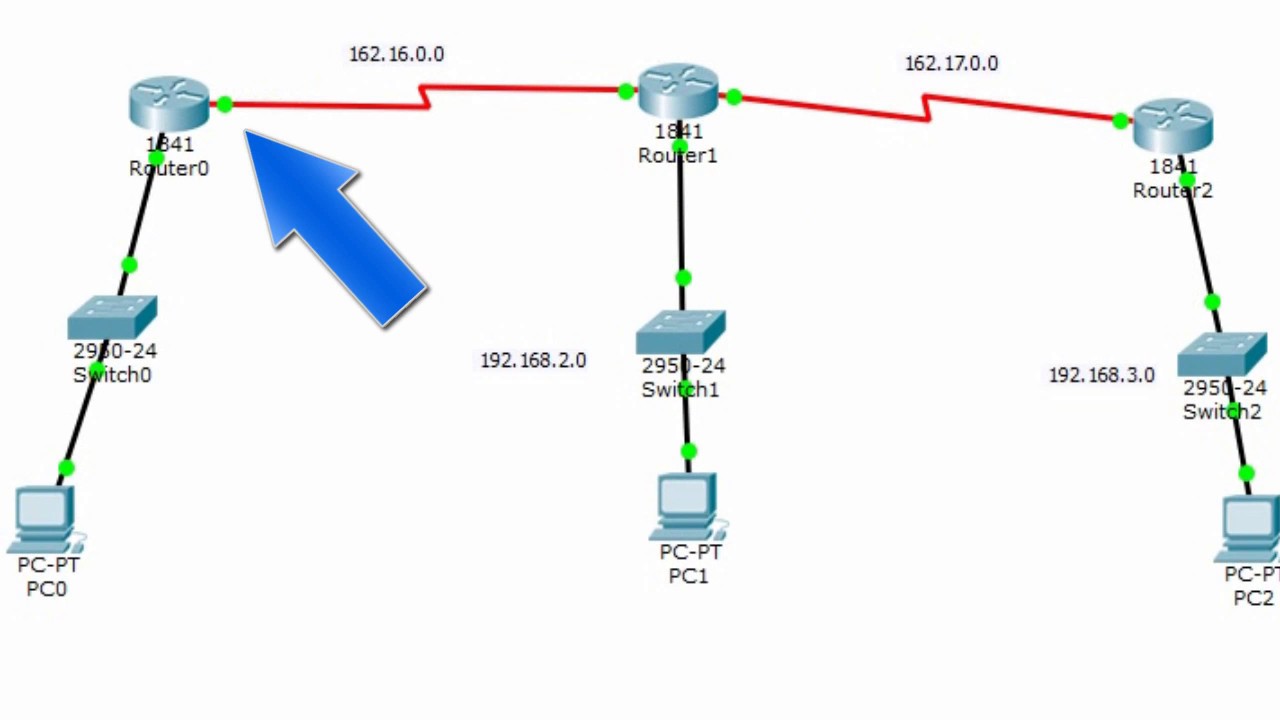
Enrutamiento estatico (3 router) Packet Tracer
5.0 / 5 (0 votes)
