Social Models of Health | Health | AQA A-Level Sociology
Summary
TLDRThis video explores the social model of health as an alternative to the biomedical model, emphasizing how social, economic, and environmental factors shape illness and well-being. It highlights the impact of deprivation, housing, work conditions, and lifestyle access on life expectancy and health inequalities. The Marmot Review is used to illustrate persistent disparities in the UK, including stalled life expectancy and a widening north-south divide. While acknowledging successes of biomedical advances such as immunizations and improved treatments, the video shows how social factors—like occupation during COVID-19—continue to strongly influence health outcomes.
Takeaways
- 😀 Social models of health focus on the social factors that contribute to illness and disease, such as deprivation, housing, and access to a healthy lifestyle.
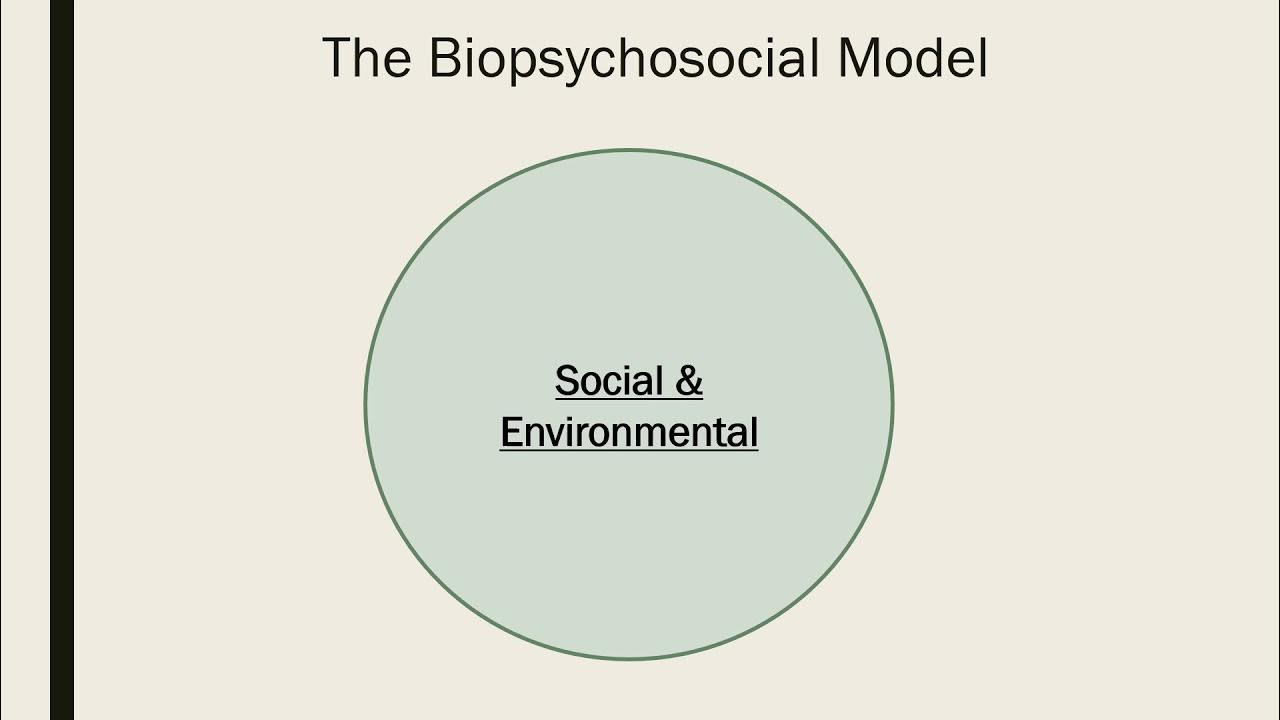
- 😀 Unlike the biomedical model, which emphasizes individual biology, the social model of health highlights the impact of social inequalities on health outcomes.
- 😀 Social factors such as working conditions, access to healthcare, and lifestyle choices are crucial in determining health and life expectancy.
- 😀 Areas of deprivation typically have lower life expectancy, whereas affluent areas demonstrate higher life expectancy and better health outcomes.
- 😀 The Marmot Review (2010) outlined six key social factors that could help reduce health inequalities in the UK, such as improving living standards and providing better access to healthcare.
- 😀 Despite the recommendations in the Marmot Review, progress over the last decade has been slow, with life expectancy stalling and health inequalities remaining a challenge.
- 😀 A clear north-south divide exists in health outcomes in the UK, with significant regional differences in life expectancy and time spent in ill health.
- 😀 Life expectancy increased rapidly following post-war social changes, such as the creation of the NHS, but improvements have slowed in recent years due to minimal further changes.
- 😀 Social, economic, environmental, and commercial conditions play a major role in influencing health outcomes, as highlighted by sociologists like Marmot and Attar.
- 😀 While the biomedical model has contributed to medical advances (e.g., immunizations and treatments for life-threatening diseases), social models can explain disparities in health outcomes, such as higher COVID-19 transmission rates in working-class occupations.
Q & A
What is the main difference between the biomedical model and the social model of health?
-The biomedical model focuses on biological factors and treats illness primarily through medical intervention, while the social model of health emphasizes social factors such as deprivation, working conditions, and access to lifestyle resources as key contributors to health outcomes.
What social factors do social models of health consider when analyzing health outcomes?
-Social models of health consider factors like levels of deprivation, housing conditions, working conditions, access to healthy food, exercise, and overall lifestyle choices as significant influences on health and well-being.
How do social models of health address the issue of health inequalities?
-Social models of health highlight how social inequalities, such as disparities in income, education, and access to healthcare, contribute to differences in life expectancy and overall health outcomes between different social and economic groups.
What does the Marmot review of 2010 suggest about reducing health inequalities?
-The Marmot review of 2010 identified six key social factors, such as improving living standards, employment, and early childhood health, as essential to reducing health inequalities in the UK. However, it found that progress had been slow over the following decade.
What were the findings of the Marmot review when revisited after ten years?
-When revisited after ten years, the Marmot review revealed that life expectancy improvements had stalled, and the time spent in poor health had increased, with notable regional differences in health outcomes across the UK, particularly between the north and south.
How does the social model of health explain the differences in life expectancy between affluent and deprived areas?
-The social model of health explains that affluent areas benefit from better social determinants of health such as higher income, better housing, and more access to healthcare, leading to higher life expectancy. In contrast, deprived areas face greater social challenges that contribute to poorer health outcomes.
What impact did post-war social changes have on life expectancy in the UK?
-Post-war social changes, including the creation of the NHS and social housing, significantly improved life expectancy. However, the subsequent lack of significant further changes in the social determinants of health has led to minimal improvement in life expectancy in recent years.
Why did life expectancy for women in deprived areas start to decline, according to recent studies?
-Recent studies, such as those by Martial Attar, indicate that life expectancy for women in the most deprived areas has started to decline due to a lack of new social and economic improvements since the post-war period, as well as the stagnation of health-related policies.
What criticism do sociologists who favor social models of health have towards the biomedical model?
-Sociologists who favor the social model of health criticize the biomedical model for overlooking the influence of social and economic factors on health, focusing too narrowly on biological causes and medical treatments without considering broader social determinants.
How can social models of health help explain higher rates of COVID-19 transmission among certain occupations?
-Social models of health suggest that occupations with higher levels of exposure to the public, such as healthcare workers, transport workers, and retail staff, are more likely to have higher rates of COVID-19 transmission due to social factors like working conditions and socioeconomic status.
Outlines

This section is available to paid users only. Please upgrade to access this part.
Upgrade NowMindmap

This section is available to paid users only. Please upgrade to access this part.
Upgrade NowKeywords

This section is available to paid users only. Please upgrade to access this part.
Upgrade NowHighlights

This section is available to paid users only. Please upgrade to access this part.
Upgrade NowTranscripts

This section is available to paid users only. Please upgrade to access this part.
Upgrade Now


5.0 / 5 (0 votes)
