18 Things You Should Know About Genetics
Summary
TLDRThis video explains the complex biology of living organisms, focusing on the role of DNA in shaping who we are. It delves into how genes, inherited from both parents, contain instructions that make each of us unique. The DNA structure is described as a twisted ladder, composed of four chemical bases. The video highlights the vast size of the human genome and how our genetic makeup is 99.9% similar to others. Despite the vast majority of DNA being non-coding, the information contained within our genes determines everything from appearance to behavior, making us all biologically interconnected yet distinct.
Takeaways
- 😀 All living organisms, including bacteria, plants, and animals, are carbon and water-based and share complex organization and heritable genetic information.
- 😀 Your genes are the set of instructions inherited from your mother and father, stored in every cell of your body.
- 😀 Genes are made up of DNA, which is stored on chromosomes and consists of a specific sequence of chemicals called bases: adenine (A), thymine (T), guanine (G), and cytosine (C).
- 😀 DNA is shaped like a twisted ladder known as a double helix, where the order of the bases determines your unique characteristics.
- 😀 The sides of the DNA ladder are made of alternating sugar and phosphate molecules.
- 😀 A single human genome contains 3.2 billion base pairs of DNA, which would take 9.5 years to read aloud without stopping.
- 😀 If you unwrapped the DNA in one cell, it would be over 6 feet long; if you unraveled all your cells’ DNA, it would reach the moon 6,000 times.
- 😀 The total DNA in the human genome would require 3 GB of storage and would fill 200 New York City telephone directories.
- 😀 Humans are 99.9% genetically identical, with only 0.1% of our genetic makeup differing from one person to another.
- 😀 Less than 2% of your DNA provides instructions for making proteins, with the rest referred to as 'junk DNA,' which currently doesn't appear to code for anything.
- 😀 It takes approximately 8 hours for a human cell to completely copy its DNA sequence.
Q & A
What is the basis of life on Earth according to the script?
-Life on Earth is based on carbon and water, and all organisms are made up of cellular forms with complex organization and heritable genetic information.
What role do genes play in making you 'you'?
-Genes are sets of instructions passed down from your mother and father. They contain genetic information stored in DNA, which determines your physical traits, like hair color, eye color, and even your species.
What is DNA and what does it do?
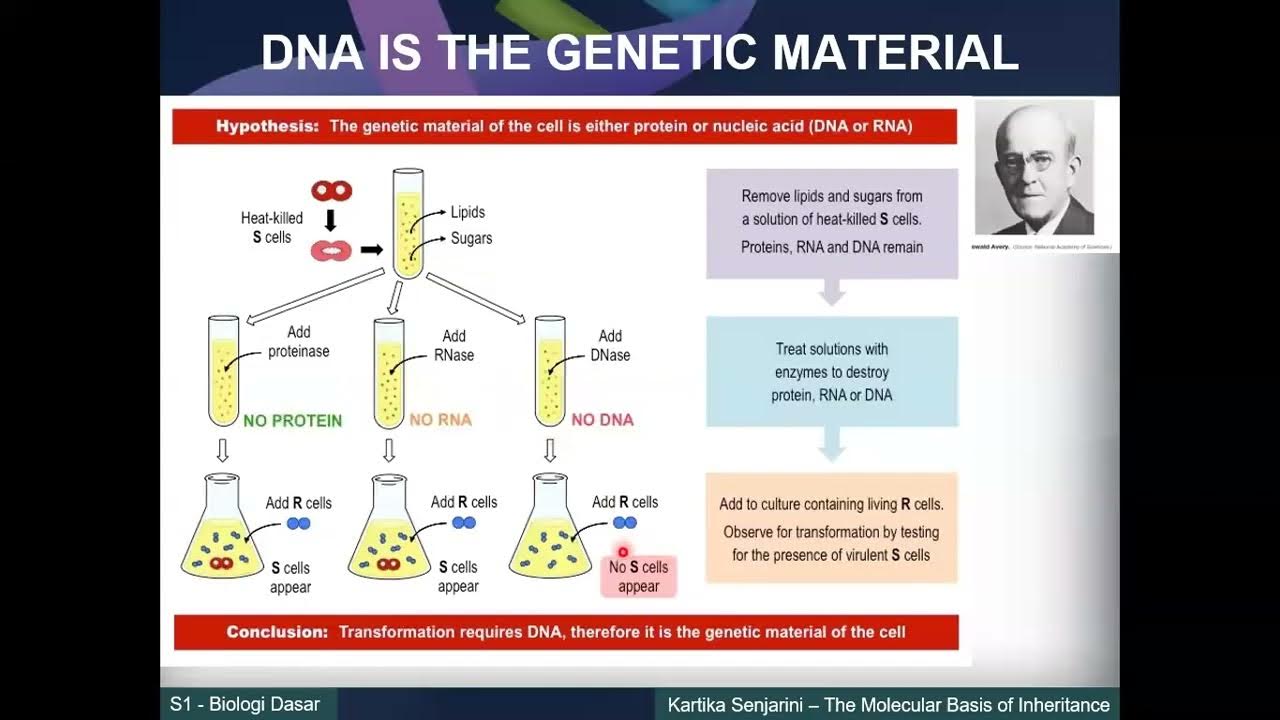
-DNA stands for deoxyribonucleic acid. It is a long strand of chemicals that carry genetic instructions necessary for the growth, development, functioning, and reproduction of organisms.
How is DNA organized within cells?
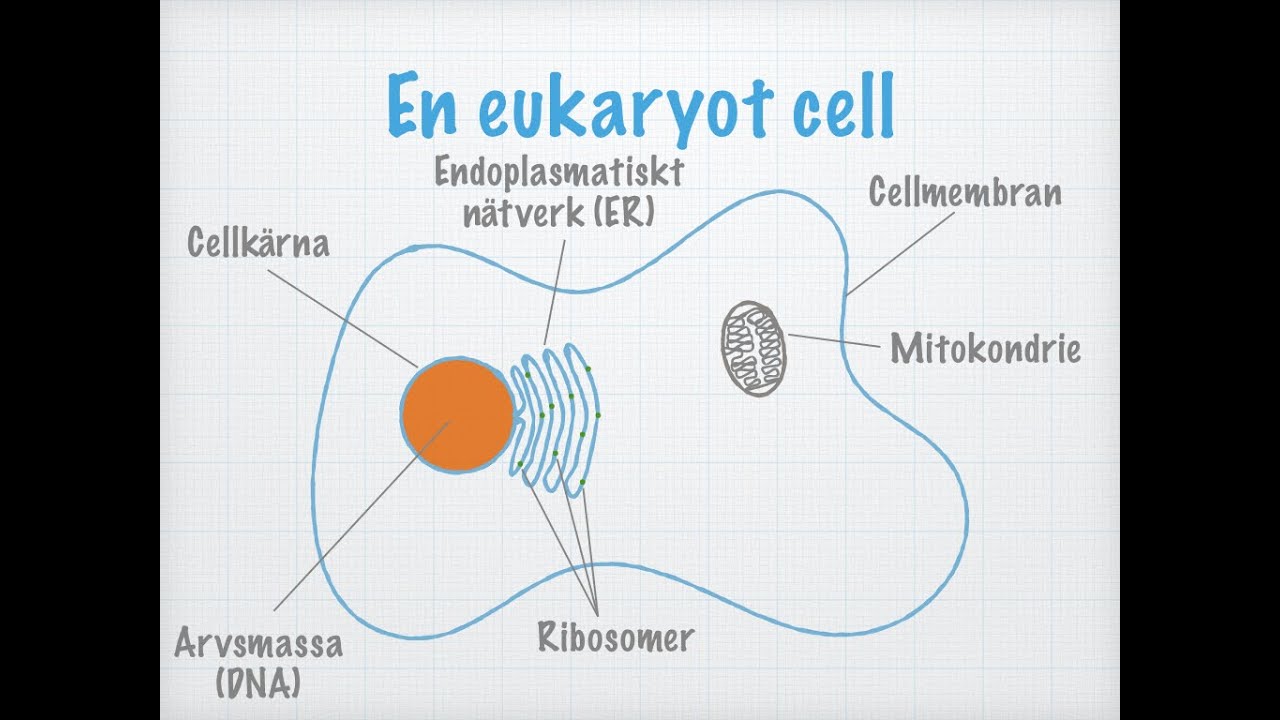
-DNA is organized into chromosomes, which are long strands of DNA. Each chromosome contains many genes, and genes are sequences of DNA that provide specific instructions for cells.
What is the structure of DNA?
-DNA is shaped like a twisted ladder, known as a double helix. The steps of the ladder are made up of four chemical bases: adenine, thymine, guanine, and cytosine.
How do the chemical bases in DNA affect an organism?
-The specific order of the four bases (A, T, G, C) in DNA is crucial as it determines the traits of an organism, like whether it is a banana, rhinoceros, or human, and other characteristics such as hair color and skin tone.
What are the sides of the DNA ladder made of?
-The sides of the DNA ladder are made of alternating sugar and phosphate molecules, which help maintain the structure of the DNA.
What is a genome, and how large is the human genome?
-A genome is the entire sequence of an organism's DNA. In humans, the genome consists of 3.2 billion base pairs of DNA.
How long would it take to read the entire human genome?
-Reading the entire human genome aloud would take 9.5 years without stopping.
What is the difference between 'junk DNA' and functional DNA?
-Less than 2% of your DNA contains instructions for making proteins. The rest, often referred to as 'junk DNA,' currently does not appear to code for anything, though its full role is still under study.
Outlines

This section is available to paid users only. Please upgrade to access this part.
Upgrade NowMindmap

This section is available to paid users only. Please upgrade to access this part.
Upgrade NowKeywords

This section is available to paid users only. Please upgrade to access this part.
Upgrade NowHighlights

This section is available to paid users only. Please upgrade to access this part.
Upgrade NowTranscripts

This section is available to paid users only. Please upgrade to access this part.
Upgrade Now


5.0 / 5 (0 votes)
