Market Profile: Course Introduction
Summary
TLDRIn this comprehensive course on Market Profile and Order Flow, Ryan introduces key trading tools that help build a solid, versatile trading foundation. The course covers the construction and purpose of Market Profile charts, developing value, contextual levels, and identifying inflection points. It also dives into Order Flow concepts, including footprint charts, volume profiles, delta, and momentum. Additionally, the course discusses advanced strategies such as swing failure, traps, and event-driven trades, emphasizing context, positioning, and risk/reward analysis. By the end, traders will gain a well-rounded understanding of these tools for all market types.
Takeaways
- 😀 The course will cover both Market Profile and Order Flow, providing a comprehensive understanding of these tools and their applications in trading.
- 😀 Market Profile will be introduced through the Time Price Opportunity (TPO) chart, focusing on its construction, features, and its role in identifying value and key market levels.
- 😀 The course will emphasize the importance of developing value, identifying inflection points, and understanding different types of market environments.
- 😀 Anomalies and inefficiencies within Market Profile will be explored, touching on less commonly discussed aspects of this tool.
- 😀 Order Flow will be broken down into multiple sections, starting with the footprint chart and progressing to volume profile and Delta analysis.
- 😀 Delta analysis will be a key focus throughout the course, helping to understand price movements and participation.
- 😀 Positioning in trading is crucial, particularly identifying poor positioning to recognize potential opportunities.
- 😀 The course will cover auction exhaustion and absorption as vital concepts for interpreting market behavior and making strategic decisions.
- 😀 Context will be highlighted as a critical factor for successful trading, with an emphasis on identifying who controls the market—buyers or sellers.
- 😀 Various strategies will be covered, including swing failure, imbalance positioning, the 76% value rule, and event-driven trades, all tailored for crypto markets.
Q & A
What is the primary focus of this course on Market Profile and Order Flow?
-The primary focus of the course is to provide a comprehensive understanding of both Market Profile and Order Flow as tools, rather than strategies or systems. The course aims to build a robust trading foundation applicable to all markets, helping traders identify key levels, market structure, and contextual risks.
Why does the course emphasize Market Profile and Order Flow instead of traditional charting methods like line or candlestick charts?
-Market Profile and Order Flow offer a more nuanced view of market structure, helping traders identify developing value areas, key levels, and market sentiment. These tools provide insights that traditional charts may miss, such as volume participation and auction mechanics, which are crucial for making informed trading decisions.
What is a Time Price Opportunity (TPO) chart, and how is it different from other chart types?
-A TPO chart, or Market Profile chart, visually represents market data in a distribution pattern similar to a Gaussian curve. Unlike traditional candlestick or line charts, TPO charts focus on the time and price relationship, helping traders identify where market participants value certain prices and the structure of market auctions.
What is the importance of identifying 'developing value' in Market Profile analysis?
-'Developing value' refers to identifying areas where market participants agree on price levels over time. These areas are key because they represent market consensus, and understanding where value is developing can help traders make informed decisions on where to enter or exit trades.
What are the key contextual levels and inflection points in Market Profile?
-Key contextual levels and inflection points are significant areas within the market structure, such as support and resistance zones or price levels where major market shifts are expected. These levels are crucial for understanding where price action is likely to reverse or continue, based on historical interactions with the market.
What is the role of the Footprint Chart in Order Flow analysis?
-The Footprint Chart is used to visualize and analyze order flow by showing the volume and price levels where trades are being executed. It helps traders see not just the price movement, but also the market's participation at different levels, enabling better insights into buying and selling pressure.
What is Volume Profile, and how is it different from Market Profile?
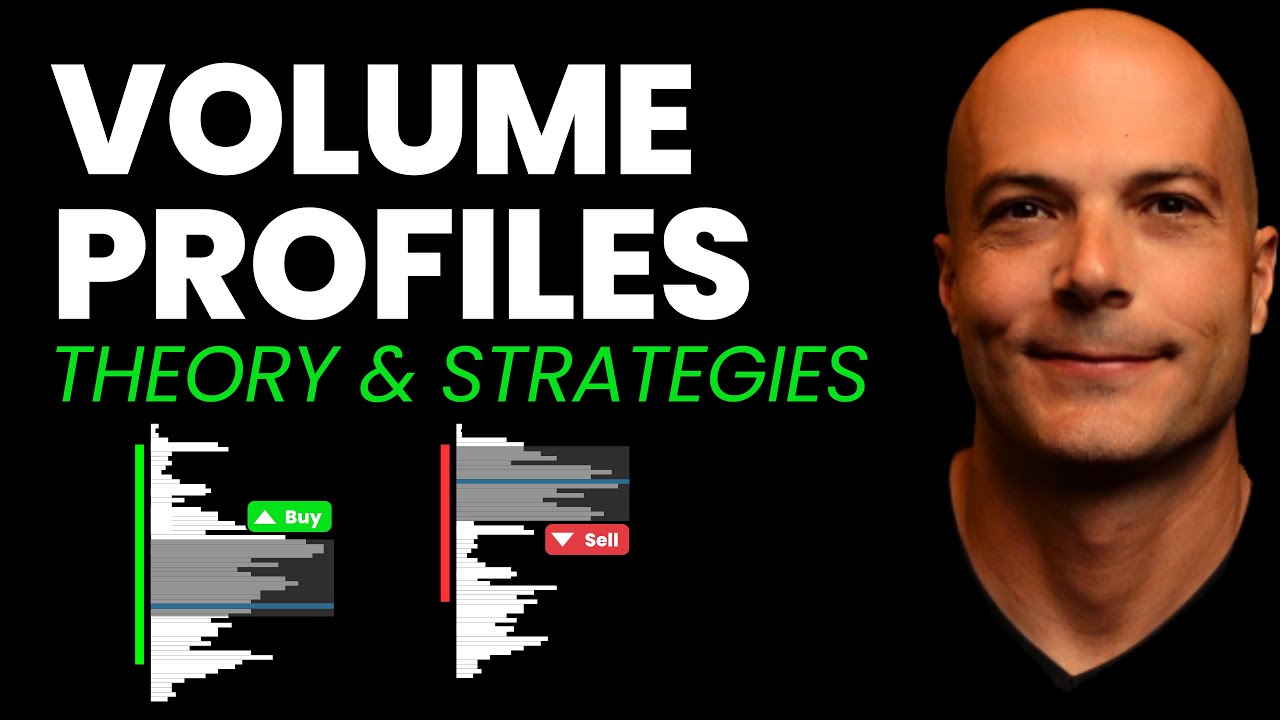
-Volume Profile is similar to Market Profile but focuses on the volume traded at specific price levels rather than the time spent at those levels. It helps traders understand not just where value is developing but also where market participants are actively engaged in trading, providing further insights into market dynamics.
Why is 'Delta' important in Order Flow analysis?
-Delta represents the difference between buying and selling volume at specific price levels. It is important because it provides insights into market sentiment—whether buyers or sellers are in control—and helps traders gauge the strength or weakness of a price move.
How does 'positioning' play a critical role in trading according to the course?
-Positioning refers to understanding where market participants are positioned in relation to key price levels and market structure. Identifying poor positioning, such as trapped traders or imbalanced positions, can offer valuable opportunities for traders to capitalize on potential market reversals or continuations.
What are some of the popular trading strategies mentioned in the course?
-Some of the popular trading strategies include Swing Failure and Traps, Imbalance Positioning Unwind, Heavier Aggressor setups, High-Low Absorption, and Event-Driven Traits. These strategies are built around key concepts in Market Profile and Order Flow, such as auction mechanics, volume analysis, and price action behavior.
Outlines

This section is available to paid users only. Please upgrade to access this part.
Upgrade NowMindmap

This section is available to paid users only. Please upgrade to access this part.
Upgrade NowKeywords

This section is available to paid users only. Please upgrade to access this part.
Upgrade NowHighlights

This section is available to paid users only. Please upgrade to access this part.
Upgrade NowTranscripts

This section is available to paid users only. Please upgrade to access this part.
Upgrade Now



5.0 / 5 (0 votes)
