25 Favorite Books From 2025
Summary
TLDRIn this video, the speaker shares a diverse collection of books read throughout the year, spanning fiction, non-fiction, memoirs, and business. Highlights include profound classics like *The Handmaid's Tale* and *Fahrenheit 451*, thought-provoking works such as *Technopoly* and *History Matters*, and personal favorites like *Atomic Habits* and *Self-Reliance*. The speaker reflects on how fiction has deepened their understanding of the world, and they also discuss their own book, *Made on Earth for Rising Stars*, about the iconic company ElectroHarmonics. The video blends literary insights with personal passion, showcasing an enriching reading journey.
Takeaways
- 😀 The speaker read 25 books this year, influenced by extra time due to a cycling accident, which led to more reading than usual.
- 📚 The speaker emphasizes that this is not a quick 'top 5 books of the year' list, but rather a deep dive into a variety of books they truly enjoyed and reflected on.
- 📖 A mix of fiction and non-fiction books were explored, with particular attention to prophetic and classic fiction that resonated with the current state of the world.
- 🔮 Classic prophetic books like *The Handmaid's Tale* by Margaret Atwood, *The Machine Stops* by E.M. Forster, and *Fahrenheit 451* by Ray Bradbury were particularly impactful.
- 💭 The speaker experienced a shift towards fiction this year, finding deep insights in novels about human experiences, such as *The Catcher in the Rye* by J.D. Salinger.
- 📚 A strong focus on personal development and philosophy, including works like *Self-Reliance* by Ralph Waldo Emerson and *History Matters* by David McCullough.
- 🔧 Technology and its impact on society were explored through books like *Technopoly* by Neil Postman, which critiques how tech often deviates from its original purpose.
- 💡 The speaker delved into non-fiction works that challenged their thinking on personal habits and marketing, including *Atomic Habits* by James Clear and *This Is Marketing* by Seth Godin.
- 🎨 The speaker discovered books like *Churchill: Painting as a Pastime*, revealing the unexpected creative sides of famous historical figures like Winston Churchill.
- 📜 A few standout memoirs and modern novels, such as *Small Things Like These* by Claire Keegan and *Broken Country* by Claire Leslie Hall, provided beautiful, heartfelt reading experiences.
- 🎉 The speaker launched their own book, *Made on Earth for Rising Stars*, which is a 500-page biography about the creative work of the American company Electro-Harmonix.
Q & A
Why does the speaker emphasize not wanting to create a 'top five' book list?
-The speaker wants to provide a deeper exploration of their reading experience, not just a quick summary of favorite books. They aim to give context, share personal reflections, and offer recommendations for those who are interested in the books, rather than just listing popular titles.
What role does 'Bartlett's Familiar Quotations' play in the speaker's reading habits?
-The speaker mentions that they haven't finished reading it from cover to cover, but they use it frequently for inspiration, especially in writing. The book serves as a valuable reference for famous quotes, which the speaker uses to spark ideas or deepen understanding of various topics.
How has the speaker's relationship with fiction evolved this year?
-The speaker expresses a newfound appreciation for fiction, particularly classic novels. Although they’ve always gravitated toward non-fiction, they now find fiction to be a profound way to learn about the world and human nature, something that was once less appealing to them.
What makes 'The Handmaid's Tale' so impactful for the speaker?
-The speaker finds the book horrifyingly relevant, noting how Margaret Atwood's work from the 1980s eerily reflects current global and societal concerns. The book's themes about control, freedom, and gender roles are portrayed as both prophetic and unsettling.
Why does the speaker recommend 'The Machine Stops' despite it being written in 1909?
-The speaker highlights how the story, which involves a society controlled by machines and disconnected from reality, feels eerily prescient, particularly regarding modern discussions on artificial intelligence. It’s a quick but thought-provoking read that connects the past with today’s technological landscape.
How does the speaker describe their experience with 'The Catcher in the Rye'?
-The speaker finds 'The Catcher in the Rye' to be one of the most unusual books they’ve read. While they enjoyed it, they mention feeling unsure about the book’s deeper meaning. They describe the protagonist’s continuous movement and dialogue as both strange and captivating, leaving them wanting to revisit it for further understanding.
What was the speaker's initial reaction to 'Broken Country' by Claire Leslie Hall?
-Initially, the speaker was skeptical of reading a romance novel, but they were pleasantly surprised by the book. The story’s unexpected twists and brilliant writing made it one of their favorite reads, and they mention it as a top contender for 'book of the year' for many readers.
Why does the speaker love 'History Matters' by David McCullough so much?
-The speaker describes 'History Matters' as a deeply personal and inspiring book that made them wish David McCullough were their grandfather. The collection of his speeches, letters, and essays deeply resonated with the speaker, earning it a spot in their all-time top 10 favorites.
What is the significance of 'Technopoly' by Neil Postman to the speaker?
-The speaker regards 'Technopoly' as a transformative book that explores the consequences of technology and its unintended directions. It had such a profound impact that it inspired the speaker to become a writer. They urge readers to explore the book as a sociological and philosophical exploration of technology's influence on society.
How does the speaker reflect on their experience with reading magazines like The Atlantic and Smithsonian?
-The speaker shares that they subscribed to magazines like The Atlantic and Smithsonian in an effort to become more engaged with thoughtful, edited media. They appreciate the depth of analysis in The Atlantic’s world news, which contrasts with the overwhelming and often shallow nature of internet news.
Outlines

This section is available to paid users only. Please upgrade to access this part.
Upgrade NowMindmap

This section is available to paid users only. Please upgrade to access this part.
Upgrade NowKeywords

This section is available to paid users only. Please upgrade to access this part.
Upgrade NowHighlights

This section is available to paid users only. Please upgrade to access this part.
Upgrade NowTranscripts

This section is available to paid users only. Please upgrade to access this part.
Upgrade NowBrowse More Related Video

COSY AUTUMN BOOK HAUL! 📚 🧡
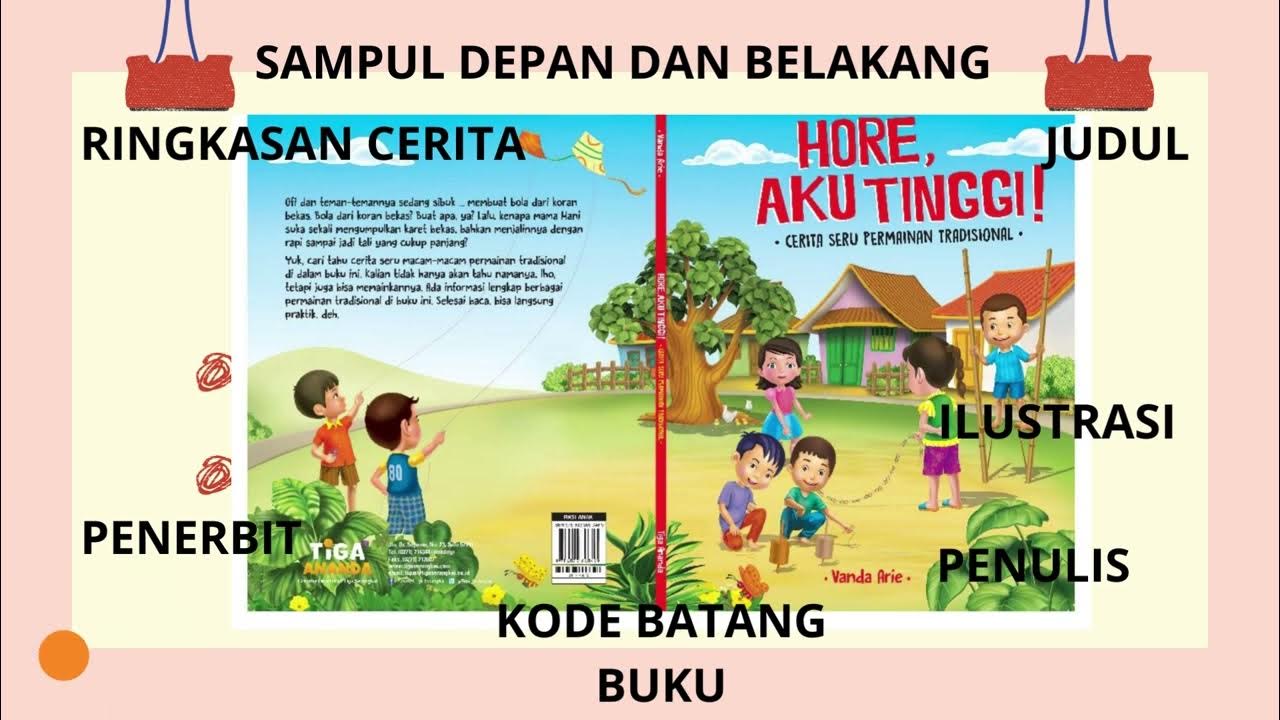
MEMBANDINGKAN BAGIAN- BAGIAN BUKU FIKSI DAN NON FIKSI
My Favorite Books of 2024
Materi Bahasa Indonesia Teks Tanggapan untuk SMP/MTs Kelas VII Semester Genap

Buku Fiksi dan Non Fiksi Bahasa Indonesia Kelas 7 SMP Kurikulum Merdeka
Buku Fiksi dan Nonfiksi Rangkuman Materi Bahasa Indonesia Kelas 7 Semester 2 Bab 5
5.0 / 5 (0 votes)
