Presentasi Tentang Studi Kasus
Summary
TLDRThe presentation provides a comprehensive explanation of case studies as a qualitative research method used to understand real-life phenomena in depth. It covers key concepts, expert definitions, characteristics, research stages, data collection techniques, observation types, field notes, data analysis, and validation through triangulation. The speaker emphasizes the importance of focus, research questions, and systematic processes in producing credible findings. The session concludes with a practical example involving issues at Citra Semesta Health Vocational School, illustrating how case studies help reveal complex organizational problems and support informed decision-making.
Takeaways
- 😀 Case studies are research methods aimed at understanding phenomena in depth and comprehensively, focusing on real-life events and their context.
- 😀 Unlike quantitative data, case studies do not manipulate the situation but analyze phenomena in their natural setting for more authentic insights.
- 😀 A case study involves understanding the 'why' and 'how' behind events, not just the final outcomes.
- 😀 Key definitions of case studies include detailed, intensive research on specific events or conditions to understand complex problems.
- 😀 Case studies are holistic and focus on the depth of analysis rather than the number of samples or outcomes.
- 😀 The process of a case study research includes stages such as theme selection, data collection, analysis, and report writing to ensure scientific validity.
- 😀 Formulating clear research questions and focusing on specific aspects of a problem are crucial for case study success, preventing overly broad or unfocused research.
- 😀 Data collection in case studies is flexible and adaptive, utilizing techniques such as interviews, observations, and field notes to capture a full spectrum of data.
- 😀 Observations in case studies can be participant-based or non-participant, depending on the level of involvement the researcher has with the subjects.
- 😀 The final stage of case study research is compiling a systematic research report that includes a description of the problem, context, process, and findings to provide scientific accountability.
Q & A
What is a case study in research?
-A case study is a research method aimed at understanding a phenomenon deeply and comprehensively. It focuses not only on the final outcomes but also on the background processes and context surrounding an event.
Why are case studies useful in business decision-making?
-Case studies are useful in business decision-making because they allow researchers to explore complex problems in real-life contexts, which quantitative data alone may not be able to explain. They provide in-depth insights into the processes and reasons behind business phenomena.
How do case studies differ from other research methods?
-Case studies differ from other research methods in that they focus on understanding a phenomenon in its natural environment without manipulation. They provide a holistic view and emphasize depth over breadth, offering insights into the context and processes behind an event rather than just its results.
What are the main characteristics of case studies?
-The main characteristics of case studies are: they are conducted in real-life, natural settings without manipulation, they provide a holistic view of the phenomenon, and they focus on in-depth analysis rather than a large number of cases. Case studies also emphasize understanding from the subjective perspectives of those involved.
What is the role of data triangulation in case studies?
-Data triangulation in case studies is used to ensure the validity of the findings by comparing different data sources and confirming results with informants. This method helps to avoid bias and strengthens the reliability of the research results.
Why is the formulation of research questions critical in case studies?
-The formulation of research questions is critical because they guide the entire research process. In case studies, the questions typically focus on understanding the 'how' and 'why' of a phenomenon, rather than just 'what' happened. This helps researchers explore the underlying processes and reasons behind an event.
What is the significance of field notes in case study research?
-Field notes are significant in case study research because they help researchers capture and record observations, interpretations, and methodologies. These notes serve as a memory aid and provide detailed documentation of what was observed, ensuring that important data is not overlooked.
What is the process of data collection in case studies?
-In case studies, data collection is done using various methods like interviews, observations, and documentation. Researchers are directly involved in the process, and data is collected until saturation is reached, meaning no significant new information is being uncovered.
How does the case study method help in understanding complex business problems?
-The case study method helps in understanding complex business problems by providing a deep dive into specific events, allowing researchers to explore the context, human factors, policies, and other variables that influence the problem. This method provides a comprehensive understanding that cannot always be captured through quantitative data alone.
Can a case study involve multiple cases, or is it limited to one?
-A case study can involve either a single case or multiple cases, depending on the research objectives. Researchers may choose to study several cases to gain broader insights or focus on a single case to conduct a more in-depth analysis.
Outlines

This section is available to paid users only. Please upgrade to access this part.
Upgrade NowMindmap

This section is available to paid users only. Please upgrade to access this part.
Upgrade NowKeywords

This section is available to paid users only. Please upgrade to access this part.
Upgrade NowHighlights

This section is available to paid users only. Please upgrade to access this part.
Upgrade NowTranscripts

This section is available to paid users only. Please upgrade to access this part.
Upgrade NowBrowse More Related Video

Apa Itu Penelitian Kualitatif ? Lihat Penjelasan Lengkapnya di Sini !

PENDEKATAN DALAM PENELITIAN KUALITATIF (CRESWELL)

STUDI KASUS: PART 1
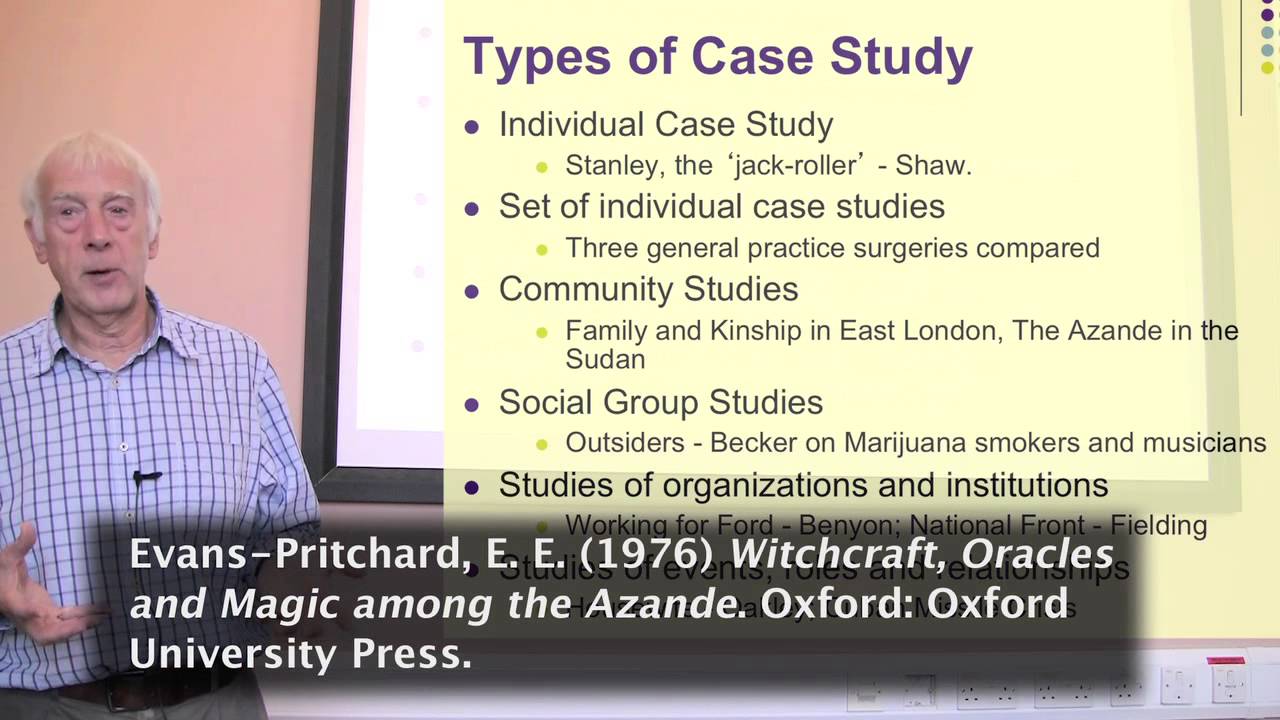
Types of Case Study. Part 1 of 3 on Case Studies

Materi Studi Kasus dalam Bimbingan dan Konseling (BK) Part I

PENGANTAR PENELITIAN STUDI KASUS BAGI CALON PENELITI #SKRIPSI
5.0 / 5 (0 votes)
