The Windows 11 Crisis
Summary
TLDRThe video delves into the growing user frustration with Microsoft Windows 11, highlighting its shift toward monetization through AI integration and online services. It critiques the forced hardware requirements, intrusive ads, and privacy concerns, contrasting this with the smooth, user-focused experience of macOS. The video argues that Microsoft's focus on shareholders has compromised the user experience, pushing many to seek alternatives like macOS and Linux. Despite its dominance, Windows' increasing control over users' data and the operating system's bloated nature has led to a crisis in user trust and satisfaction.
Takeaways
- 😀 Microsoft is pushing Windows toward becoming an 'agentic' operating system, integrating AI to automate decisions and actions on behalf of users.
- 😟 User backlash has grown as Windows 11 continues to frustrate with forced upgrades, intrusive ads, and an increasingly complex user interface.
- 💰 Microsoft's strategy has shifted from user-centered experience to shareholder-centric goals, prioritizing profit from cloud services and AI investments over user satisfaction.
- 🔒 The new hardware requirement (TPM 2.0) for Windows 11 has been criticized for making users' perfectly functional devices suddenly obsolete, raising concerns about forced upgrades.
- 🚨 Many users feel their privacy is compromised, with Windows collecting extensive data (even at minimal telemetry settings) and pushing users to Microsoft’s cloud services.
- ⚠️ Microsoft’s AI integration, particularly with C-Pilot, is not yet as effective as advertised, often leading to unreliable or confusing results.
- 🔄 The transition to Windows 11 has been made mandatory for many users, even though they may not want the upgrade, further alienating long-time customers.
- 💼 Businesses are still largely reliant on Windows due to legacy systems, but the user experience is deteriorating as Microsoft shifts focus to enterprise and cloud clients.
- 🔄 Windows has been criticized for increasingly feeling like a platform built to extract money from users, rather than a tool designed for their benefit.
- 💻 With improved Linux software compatibility and a smoother experience on MacOS, more users are exploring alternatives to Windows, including for gaming and privacy concerns.
Q & A
What is the primary shift in Windows 11's focus according to Microsoft?
-Windows 11 is shifting towards integrating AI and agents, making the operating system more autonomous. This change reflects Microsoft's broader strategy of incorporating AI into its products and services, prioritizing cloud-based services and business-to-business clients.
Why are users frustrated with Windows 11's direction?
-Users are frustrated with Windows 11 due to its increasing reliance on cloud services, mandatory sign-ins, forced updates, and constant push toward Microsoft's online ecosystem like OneDrive and Office 365 subscriptions. These changes make the OS feel less like a user-centric tool and more like a cash extraction device for Microsoft.
How has Microsoft’s approach to Windows changed since Satya Nadella took over?
-Since Satya Nadella became CEO, Microsoft's focus shifted towards cloud services and recurring revenue models. Azure, Office 365, and enterprise licensing became the core business, leading to a greater emphasis on pushing users towards Microsoft's online ecosystem rather than focusing solely on improving the Windows user experience.
What is the significance of TPM 2.0 in Windows 11?
-The TPM 2.0 requirement in Windows 11 is designed as a security feature, but many users saw it as a lock placed on their devices. The new hardware requirement prevented some users from upgrading to Windows 11, even if their machines were still powerful, as the chip is tied to security and user identity data.
Why is Microsoft pushing users to sign in with a Microsoft account on Windows 11?
-Microsoft is pushing users to sign in with a Microsoft account to funnel them into the cloud ecosystem. The company wants to link users to its online services like OneDrive, Office 365, and other subscription-based offerings, making it harder for users to use Windows without being part of the broader Microsoft service network.
What role does AI play in Microsoft’s vision for Windows 11?
-AI in Windows 11, especially through features like C-Pilot, is intended to make the operating system more intuitive, autonomous, and integrated into users’ workflows. However, the AI implementation is not without issues, with problems like hallucinations in Copilot and limited functionality, which undermine the AI's potential value.
What are some of the privacy concerns related to Windows 11?
-Windows 11 raises significant privacy concerns due to its increased data collection, including telemetry that tracks system usage, apps, and behavior. Features like 'Windows Recall' that capture user activity and screenshots further exacerbate concerns about unauthorized access to sensitive data, potentially enabling privacy breaches.
How did Windows' user experience change from Windows 7 to Windows 11?
-Windows 7 was known for its simplicity and lack of intrusive features, whereas Windows 11 has introduced more aggressive tactics like forced updates, constant reminders to sign into Microsoft services, and a bloated user interface that slows down the system. These changes have contributed to growing user dissatisfaction.
Why is Microsoft so focused on enterprise clients rather than home users?
-Microsoft's shift towards prioritizing enterprise clients comes from the fact that businesses represent a much larger and more consistent source of revenue, particularly through cloud services like Azure and Office 365. Home users contribute less to the company’s bottom line, so their frustrations are often overlooked.
How does Microsoft's AI investment impact Windows users?
-Microsoft's $13 billion investment in OpenAI, while driving innovation in AI features like Copilot, also leads to a cluttered user experience. AI features often feel tacked on without proper integration, resulting in a subpar user experience, with some users even experiencing frustration due to inaccurate AI outputs.
What alternatives are users considering due to the frustration with Windows?
-Many users are considering alternatives like macOS and Linux, with macOS being a popular choice due to its more stable user experience and better privacy controls. Linux is appealing for users seeking transparency and greater control over their computing environment.
Outlines

This section is available to paid users only. Please upgrade to access this part.
Upgrade NowMindmap

This section is available to paid users only. Please upgrade to access this part.
Upgrade NowKeywords

This section is available to paid users only. Please upgrade to access this part.
Upgrade NowHighlights

This section is available to paid users only. Please upgrade to access this part.
Upgrade NowTranscripts

This section is available to paid users only. Please upgrade to access this part.
Upgrade NowBrowse More Related Video

Microslop Can't Be This Dumb...

The Real Reason Windows is Free - And what that costs you!

Why Microsoft Keeps Beating Apple And Google With Windows

Is the Windows Bubble Popping?

Something Is VERY Wrong With Microsoft Windows 11
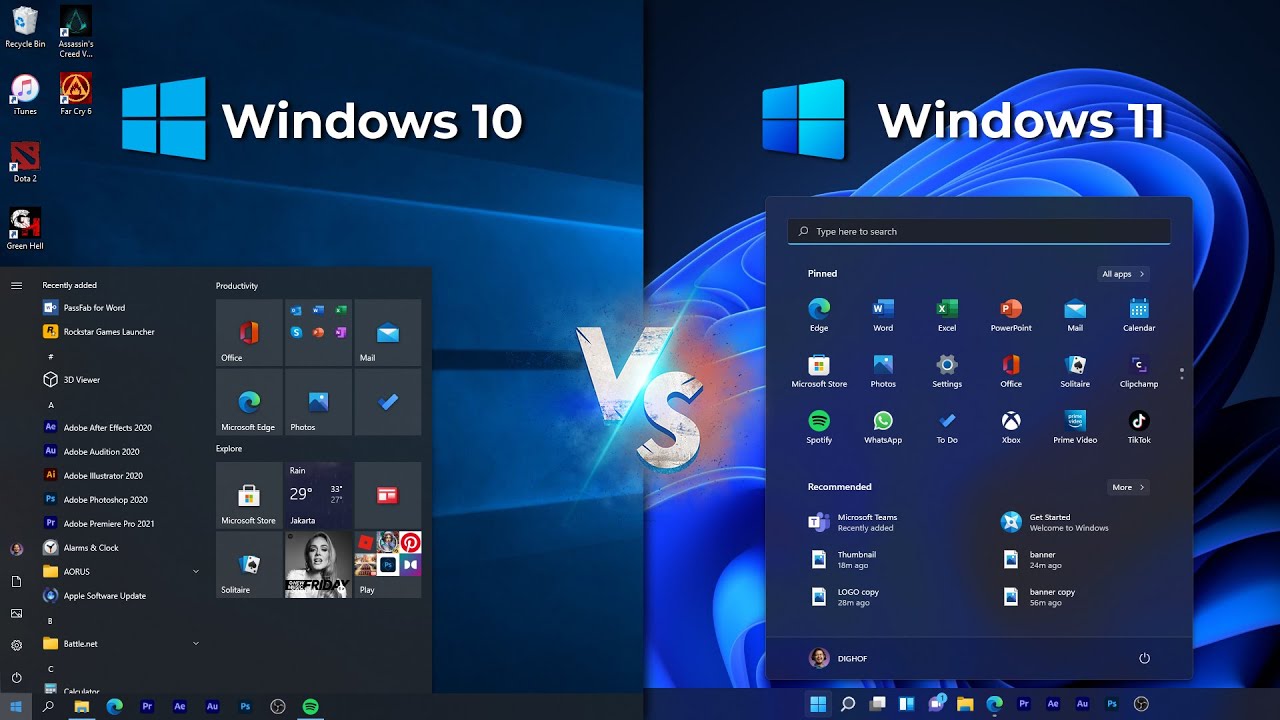
Masih Pengen Update? Bandingin Windows 10 VS Windows 11 - Perubahan Fitur - Gaming Test - LENGKAP!
5.0 / 5 (0 votes)
