Breathing Cycle Physiology | Pressure & Volume Changes During Respiration | Respiratory Physiology
Summary
TLDRThis video explains the breathing cycle, which involves air moving in and out of the lungs during inspiration and expiration. It covers the pressures and volumes involved in each phase, including the roles of pleural and alveolar pressures. The video also introduces concepts like tidal volume, residual volume, and functional residual capacity. Key to the process are pressure gradients that drive airflow, as well as the elastic recoil in expiration. The cycle is detailed through diagrams and clear explanations, demonstrating how pressures change during rest, inspiration, and expiration to ensure proper lung function.
Takeaways
- 😀 The breathing cycle involves air entering the lungs during inspiration and leaving the lungs during expiration, with pressure and volume changes occurring during each phase.
- 😀 The cycle consists of three phases: rest, inspiration, and expiration.
- 😀 At rest, the volume in the lungs is at **functional residual capacity (FRC)**, and there is no airflow.
- 😀 The lungs are surrounded by pleural cavities lined with pleura: the visceral layer is attached to the lungs, and the parietal layer is attached to the chest wall.
- 😀 The pleural cavity is filled with fluid that acts as a lubricant, helping the lungs move during respiration.
- 😀 **Pleural pressure** (intrapleural pressure) keeps the lungs open and is slightly negative at rest.
- 😀 **Alveolar pressure** is the pressure in the alveoli and is equal to atmospheric pressure at rest, leading to no airflow.
- 😀 The **transpulmonary pressure** is the difference between alveolar pressure and pleural pressure, which helps keep the airways open.
- 😀 During inspiration, the diaphragm contracts, and alveolar pressure becomes negative, allowing air to flow into the lungs.
- 😀 Expiration is a passive process where the lungs recoil and alveolar pressure becomes positive, driving air out of the lungs.
- 😀 Throughout the cycle, the **transpulmonary pressure** remains positive to prevent airway collapse, and it changes from +5 cm H2O at rest to +7.5 cm H2O at the end of inspiration.
- 😀 At the end of inspiration, the volume of air in the lungs increases by 500 ml, and at the end of expiration, the lungs return to their resting volume (FRC).
Q & A
What is the breathing cycle?
-The breathing cycle involves air moving into the lungs during inspiration and leaving the lungs during expiration. This cycle includes changes in pressure and volume.
What are the three phases of respiration?
-The three phases of respiration are rest (no airflow), inspiration (when air enters the lungs), and expiration (when air leaves the lungs).
What is the pleural space and its function?
-The pleural space is the area surrounding the lungs, filled with fluid. This fluid acts as a lubricant to help the lungs move during respiration.
What are the two key pressures involved in respiration?
-The two key pressures are pleural pressure (the pressure in the pleural space) and alveolar pressure (the pressure inside the alveoli of the lungs).
What is the difference between pleural pressure and alveolar pressure?
-Pleural pressure is the pressure in the pleural space surrounding the lungs, while alveolar pressure is the pressure inside the alveoli. The difference between these two is the transpulmonary pressure.
What is the transpulmonary pressure?
-The transpulmonary pressure is the difference between the alveolar pressure and the pleural pressure. It determines whether the airways remain open or collapse.
What happens to the pressures during inspiration?
-During inspiration, the diaphragm contracts, causing the alveolar pressure to become slightly negative (around -1 cm of water). The pleural pressure becomes more negative, reaching -7.5 cm of water at the end of inspiration.
What is the role of elastic recoil in expiration?
-Expiration is a passive process driven by elastic recoil of the lungs, which causes the alveolar pressure to become slightly positive (+1 cm of water), pushing air out of the lungs.
How much air is involved in the tidal volume?
-The tidal volume is the amount of air that enters or leaves the lungs during normal, quiet breathing. It is approximately 500 ml.
What happens at the end of a breathing cycle?
-At the end of a breathing cycle, the alveolar pressure returns to zero, the pleural pressure returns to -5 cm of water, and the functional residual capacity (FRC) remains in the lungs. The cycle then repeats.
Outlines

This section is available to paid users only. Please upgrade to access this part.
Upgrade NowMindmap

This section is available to paid users only. Please upgrade to access this part.
Upgrade NowKeywords

This section is available to paid users only. Please upgrade to access this part.
Upgrade NowHighlights

This section is available to paid users only. Please upgrade to access this part.
Upgrade NowTranscripts

This section is available to paid users only. Please upgrade to access this part.
Upgrade NowBrowse More Related Video

alveolar pressure changes during inspiration and expiration

[#1] MECÂNICA RESPIRATÓRIA: VENTILAÇÃO PULMONAR | MK Fisiologia

MEKANISME PERNAPASAN MANUSIA

Mekanisme Pernapasan Manusia

Mekanisme Pernapasan Dada & Pernapasan Perut | Sistem Respirasi Pada Manusia
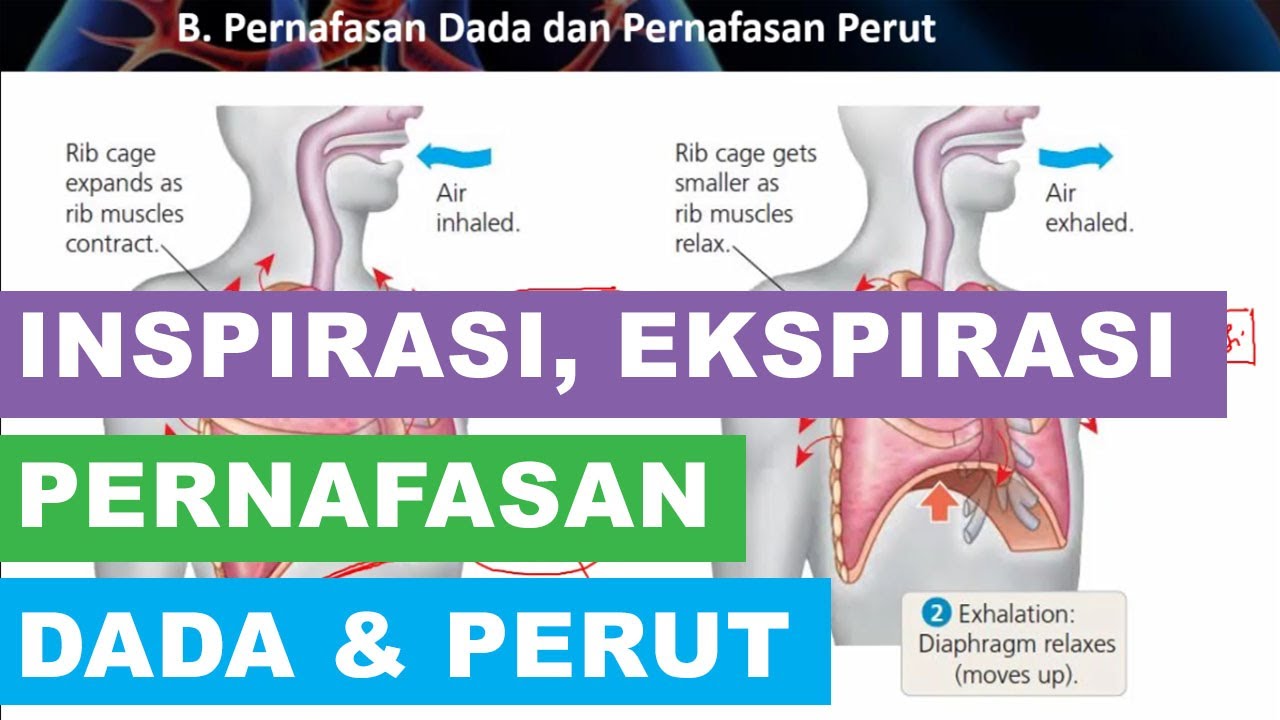
Mekanisme Inspirasi dan Ekspirasi Pernafasan Dada dan Pernafasan Perut
5.0 / 5 (0 votes)
