Prosocial Behaviour
Summary
TLDRThe script explores pro-social behavior, highlighting acts of kindness and altruism, from helping an elderly person cross a busy road to selfless heroism. It connects these acts to psychological theories, discussing the role of social norms, empathy, mood, competence, and altruism in encouraging helping behavior. The concept of reciprocity, the Golden Rule, and social responsibility are emphasized, alongside the profound impact of selfless acts, such as the story of Lincoln Sherlock saving a stranger's life. The script invites reflection on how we can cultivate empathy and kindness in our own lives.
Takeaways
- 😀 Pro-social behavior is the act of helping others, often symbolized by common acts of kindness like helping an elderly person cross the street.
- 😀 The phrase 'Good Samaritan' comes from a biblical story where an unlikely person helped someone in need, illustrating the importance of kindness in society.
- 😀 Pro-social behavior can be explained by both biological instincts (promoting survival) and learned behaviors (through observation and conditioning).
- 😀 Social norms, such as the Golden Rule ('Do unto others as you would have them do unto you'), influence pro-social actions and encourage reciprocal kindness.
- 😀 Social responsibility is another important norm, where people are expected to help others in need without expecting anything in return.
- 😀 Personal factors like empathy, mood, competence, and altruism significantly impact one's likelihood to engage in pro-social behavior.
- 😀 Empathy increases the chances of helping others, especially if the person in need is perceived as similar to oneself.
- 😀 People in a good mood are more likely to help, while those in a bad mood may be more inwardly focused and less likely to assist others.
- 😀 Competence, such as possessing skills like first-aid knowledge, can also play a role in encouraging individuals to offer help in emergencies.
- 😀 Altruism, defined as helping without expecting anything in return, is a key motivator for some of the most heroic acts, such as saving a life.
- 😀 Real-life examples, such as Lincoln Sherlock’s selfless act of saving someone from drowning, highlight the power of altruism and the value of helping others without seeking recognition.
Q & A
What is the significance of helping an elderly person cross the road, as mentioned in the script?
-Helping an elderly person cross the road is a well-known trope that symbolizes doing kind deeds. It represents an act of pro-social behavior, where one person helps another without expecting anything in return, highlighting the importance of kindness in society.
What is the origin of the term 'Good Samaritan'?
-The term 'Good Samaritan' originates from a story told by Jesus in the Bible, in which a person from Samaria stops to help an injured individual whom others had ignored. The Samaritan's willingness to help despite cultural differences highlights the idea of acting out of compassion.
How is pro-social behavior defined in psychology?
-Pro-social behavior in psychology refers to actions that benefit others, such as helping, sharing, and cooperating. It is typically motivated by the desire to support or improve the well-being of others.
What biological factors contribute to pro-social behavior?
-Biologically, humans may have developed pro-social behaviors because helping others within a family or tribe increases the chances of survival for both the individual and the group. These behaviors likely evolved as a means to promote collective well-being.
How does the concept of pro-social behavior differ across cultures?
-Pro-social behavior can vary across cultures in terms of what is considered acceptable or expected. For example, some cultures may prioritize communal responsibilities, while others may place more emphasis on individualistic acts of kindness. Despite these differences, pro-social behavior is generally encouraged worldwide.
What role do social norms play in pro-social behavior?
-Social norms are the expectations for behavior within a society. They influence pro-social behavior by encouraging individuals to help others, especially if it involves minimal cost. Violations of these norms, such as not helping someone in need, are often socially punished.
What is the 'Golden Rule' and how does it relate to pro-social behavior?
-The 'Golden Rule' states, 'Do unto others as you would have them do unto you.' It embodies the principle of reciprocity, suggesting that helping others will likely result in receiving help in return. This norm encourages individuals to engage in pro-social behavior because of the expectation of mutual kindness.
What is social responsibility, and how does it encourage pro-social behavior?
-Social responsibility is the expectation that individuals will help those in need without expecting anything in return. It reinforces the idea that people should contribute to the well-being of others simply because it is the right thing to do, rather than out of self-interest.
What factors influence an individual's likelihood to engage in pro-social behavior?
-Several factors influence pro-social behavior, including empathy (emotional response to others' distress), mood (people in good moods are more likely to help), competence (those with skills are more likely to assist), and altruism (helping others without expecting anything in return).
What is an example of altruism in the script, and what does it demonstrate?
-An example of altruism in the script is Lincoln Sherlock's selfless act in 2015, where he jumped into cold waters to save a stranger from a sinking car. This act demonstrates altruism because Lincoln did not expect any reward or recognition but acted purely out of a desire to help someone in need.
Outlines

This section is available to paid users only. Please upgrade to access this part.
Upgrade NowMindmap

This section is available to paid users only. Please upgrade to access this part.
Upgrade NowKeywords

This section is available to paid users only. Please upgrade to access this part.
Upgrade NowHighlights

This section is available to paid users only. Please upgrade to access this part.
Upgrade NowTranscripts

This section is available to paid users only. Please upgrade to access this part.
Upgrade NowBrowse More Related Video

English Speaking for Real Life - How can I help you ?
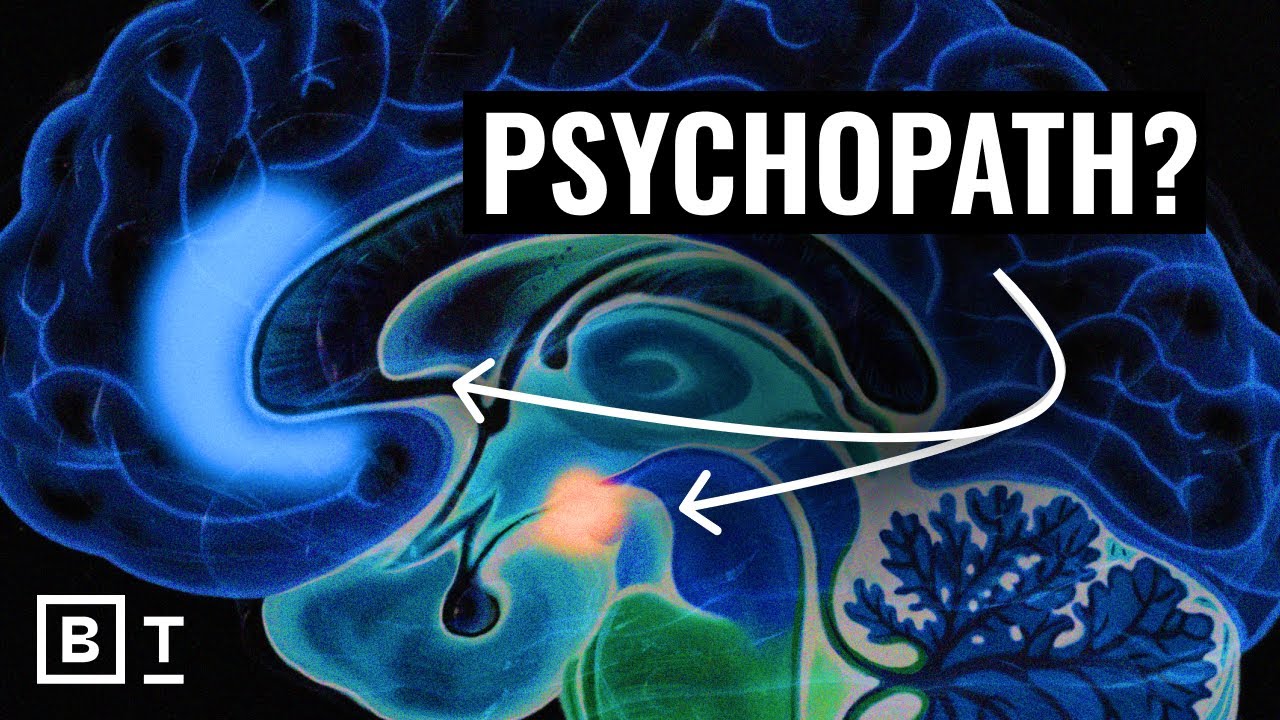
She studied extreme psychopaths. Here’s what it taught her about human nature | Abigail Marsh

PROFIL PELAJAR PANCASILA: BERIMAN, BERTAKWA KEPADA TUHAN YANG MAHA ESA, DAN BERAKHLAK MULIA

A Christmas Tale - A Motivational Story

มิจฉาชีพขโมยเงินคนตาบอด ทดสอบสังคม

People say altruism is selfish. They’re not wrong | Abigail Marsh
5.0 / 5 (0 votes)
