REGGAE - APA ITU RASTAFARI?BAGAIMANA MUSIK INI LAHIR?
Summary
TLDRThis video explores the origins and cultural significance of reggae music, which emerged in the late 1960s from Kingston, Jamaica, as a voice for the marginalized. The genre, influenced by Mento, R&B, jazz, and Rastafari culture, became a powerful tool for addressing social and political inequalities. Reggae musicians like Bob Marley used their music to call for unity, equality, and justice. The video dives into the historical context of Jamaica's struggles post-independence and highlights how reggae, alongside the Rastafari movement, played a pivotal role in the fight for human rights and social change.
Takeaways
- 😀 Reggae music originated in Jamaica in the late 1960s, emerging as a voice for the marginalized Jamaican community in Kingston, who were struggling with social and political inequality.
- 😀 The genre was shaped by the poverty, economic difficulties, political corruption, and social injustice faced by Jamaicans after the country gained independence in 1962.
- 😀 Reggae music became a tool for expressing dissatisfaction with the political conflicts in Jamaica, including tensions between political parties and between black and white communities.
- 😀 Influenced by genres such as Mento, R&B, jazz, and Rastafari culture, reggae often deals with themes of unity, peace, equality, and religious belief in God.
- 😀 Mento, a traditional Jamaican music style, combined with influences from jazz and R&B, led to the development of ska music in the 1960s, which later evolved into the slower, calmer rocksteady before settling into reggae.
- 😀 Rastafari, a religious movement originating in Jamaica in the 1930s, heavily influenced reggae music, emphasizing human rights, equality, and unity, and advocating for the elimination of racism and colonialism.
- 😀 Reggae artists, including Bob Marley, have used their music to spread messages of peace, equality, and social justice, reflecting Rastafari beliefs.
- 😀 Key instruments in reggae music include bass, drums, guitars, and keyboards, with a characteristic rhythm pattern that makes listeners sway along.
- 😀 Famous reggae songs such as Bob Marley's 'Redemption Song,' 'Stand Up,' and 'War' address the struggles of black people and political oppression, becoming anthems for social change.
- 😀 The influence of reggae music extends beyond Jamaica, contributing to the global political and cultural movements advocating for equality and justice.
- 😀 The video's presenter invites further discussions and ideas from viewers, encouraging comments and feedback on the topic of reggae music and other musical genres.
Q & A
What is the origin of reggae music?
-Reggae music originated in Jamaica in the late 1960s, emerging as a voice from the poor communities of Kingston. It became a platform for expressing dissatisfaction with social and political inequality.
How did Jamaica's political climate influence the rise of reggae music?
-In the 1960s, Jamaica faced political unrest, corruption, and social injustice. Reggae music was a tool for the marginalized to express their struggles, including political conflicts and the country's transition from British colonial rule.
What musical influences shaped the development of reggae?
-Reggae was influenced by several musical genres such as Mento, R&B, jazz, and ska. The genre's sound evolved from ska, which was faster and more energetic, to rocksteady, which had slower rhythms and smoother harmonies.
How did Rastafari culture influence reggae music?
-Rastafari culture, which emerged in Jamaica in the 1930s, deeply influenced reggae music. Themes of unity, social justice, and a belief in God are often reflected in reggae songs. Artists like Bob Marley were Rastafari followers, and their music conveyed messages of peace and equality.
What are the core beliefs of the Rastafari movement?
-The Rastafari movement holds beliefs such as the divinity of Emperor Haile Selassie I of Ethiopia, opposition to racism and colonialism, principles of peace, non-violence, and vegetarianism, and the idea that all humans are equal in the eyes of God.
What role did reggae music play in the political and social struggles of Jamaica?
-Reggae music became an important vehicle for expressing resistance to political and social inequality in Jamaica. It addressed issues like poverty, corruption, and the marginalization of certain communities, especially in relation to the Rastafari movement.
What is the significance of the rhythm pattern in reggae music?
-Reggae music is known for its distinctive rhythm pattern, which causes listeners to sway along with the beat. This rhythm sets reggae apart from most other genres and gives it a unique, infectious quality.
Which instruments are crucial to the sound of reggae music?
-The key instruments in reggae music include the bass, drums, guitar, and often a piano or keyboard. Additionally, horns (wind instruments) play an important role in adding depth and texture to the sound.
What are some famous reggae songs that reflect the struggles of the Jamaican people?
-Famous reggae songs that highlight the struggles of the Jamaican people include Bob Marley's 'Redemption Song,' which addresses the oppression of black people, and 'War,' which condemns injustice and inequality.
Why did reggae music gain popularity in the early 1970s?
-Reggae music gained popularity in the early 1970s due to the continued social and political struggles in Jamaica, as well as the rise of influential artists like Bob Marley. The genre's messages of peace, unity, and social justice resonated with many people.
Outlines

This section is available to paid users only. Please upgrade to access this part.
Upgrade NowMindmap

This section is available to paid users only. Please upgrade to access this part.
Upgrade NowKeywords

This section is available to paid users only. Please upgrade to access this part.
Upgrade NowHighlights

This section is available to paid users only. Please upgrade to access this part.
Upgrade NowTranscripts

This section is available to paid users only. Please upgrade to access this part.
Upgrade Now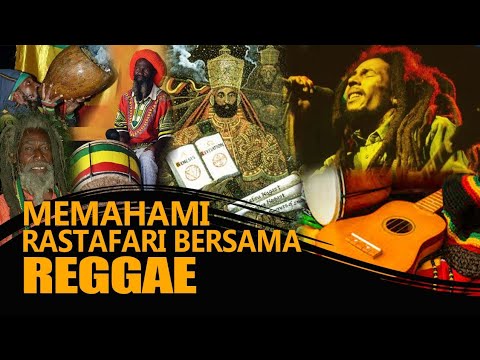




5.0 / 5 (0 votes)
