Self Massage for neck pain
Summary
TLDRThis video demonstrates how to relieve neck tension using a tennis ball and the floor. The technique focuses on the occipital region, where the neck and head connect, and guides viewers through placing the ball in this area while ensuring the back remains relaxed. The process includes rolling the ball along the neck muscles, targeting tender spots, and breathing deeply to allow muscle relaxation. The tutorial emphasizes the importance of addressing both sides of the neck and is an effective way to manage muscle tension in between professional massages.
Takeaways
- 😀 Use a tennis ball and the floor to relieve neck tension effectively.
- 😀 Placing the tennis ball at the base of the skull (occipital region) helps target neck and head muscle connections.
- 😀 Keep your knees bent while lying on the floor to reduce low back pressure during the exercise.
- 😀 Focus on allowing the tennis ball to sink into the muscle tissue as you relax and breathe deeply.
- 😀 The exercise works best when you move the ball along the muscles, not directly on the spine.
- 😀 For deeper relief, move the tennis ball from the base of the skull to the neck, breathing deeply to relax the area.
- 😀 You can rotate your neck gently to the right when the ball reaches a tender area to target specific muscle tension.
- 😀 If you experience headaches or jaw pain, the occipital region and surrounding areas can be especially beneficial.
- 😀 Apply deep breathing techniques to help relax muscles during the exercise and increase effectiveness.
- 😀 Make sure to repeat the process on both sides of the neck for balanced tension relief.
- 😀 This method is a great way to maintain muscle relaxation in between professional massages.
Q & A
What is the primary purpose of using a tennis ball for neck tension relief?
-The tennis ball is used to apply pressure to the muscles in the neck and occipital region, helping to relieve tension by gently massaging and relaxing the muscle tissue.
Why is it recommended to use the floor rather than the wall for this technique?
-The floor provides more pressure compared to the wall, which makes the massage deeper, allowing for better relief of neck tension.
Where exactly should the tennis ball be placed to begin the massage?
-The tennis ball should be placed in the occipital region, just next to the spine at the base of the skull, in the groove where the neck and head meet.
How should you position your body for optimal comfort during the massage?
-You should lie down with your knees bent to relieve pressure on the lower back and allow the muscles to relax as you breathe deeply.
What should you do if you encounter a tender spot while rolling the tennis ball?
-If you encounter a tender spot, you should stop and hold the position, take a deep breath, and allow the muscle to relax before continuing.
What benefits are there to targeting the area around the occipital region?
-This area is crucial because it's where the neck and head connect, and massaging it can help with tension that causes headaches, jaw pain, and stiff necks.
How far should you roll the tennis ball during the massage?
-You should roll the tennis ball down the muscles, avoiding the spine, and continue until you reach the area where your neck and head meet. Then, slowly turn your head to stretch the muscles further.
What should you do once you’ve worked on one side of the neck?
-After working on one side, bring the tennis ball back to the center and then repeat the process on the other side of the neck to ensure balanced relief.
How can this tennis ball technique be helpful between regular massages?
-Using the tennis ball between regular massages helps maintain muscle relaxation and prevent tension from building up, offering ongoing relief for neck and shoulder discomfort.
Why is it important to breathe deeply during this massage technique?
-Deep breathing helps to relax the muscles more effectively, allowing the tennis ball to sink deeper into the tissue and aiding in muscle tension release.
Outlines

This section is available to paid users only. Please upgrade to access this part.
Upgrade NowMindmap

This section is available to paid users only. Please upgrade to access this part.
Upgrade NowKeywords

This section is available to paid users only. Please upgrade to access this part.
Upgrade NowHighlights

This section is available to paid users only. Please upgrade to access this part.
Upgrade NowTranscripts

This section is available to paid users only. Please upgrade to access this part.
Upgrade NowBrowse More Related Video

Is this why you prepare late & are out of position?

Tanpa Obat ! Hipertensi, Sakit leher, Menurunkan Tensi dengan cepat dengan twist therapy
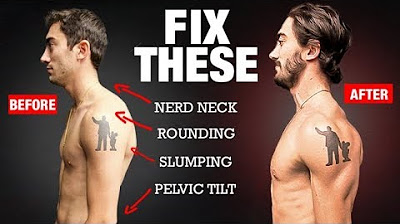
How to Fix Your Posture in 4 Moves! (PERMANENTLY)
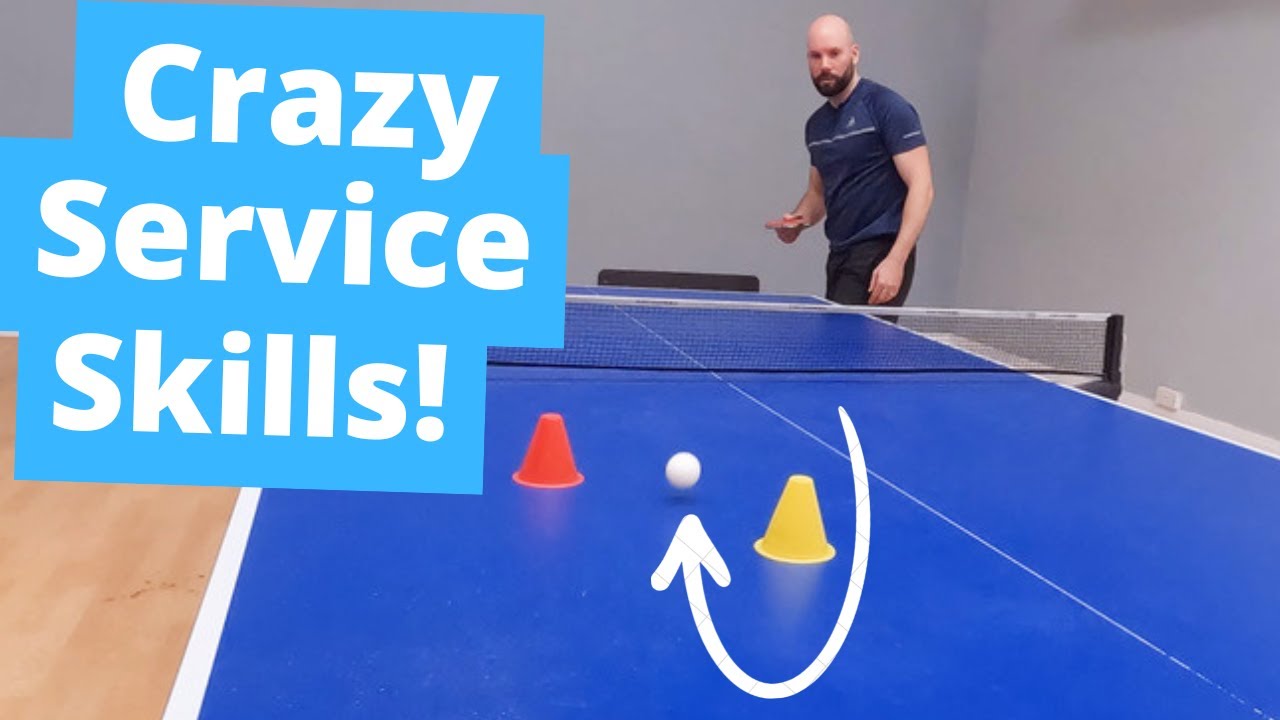
Learning crazy service skills

Tutorial Roll Depan / cara melakukan guling depan
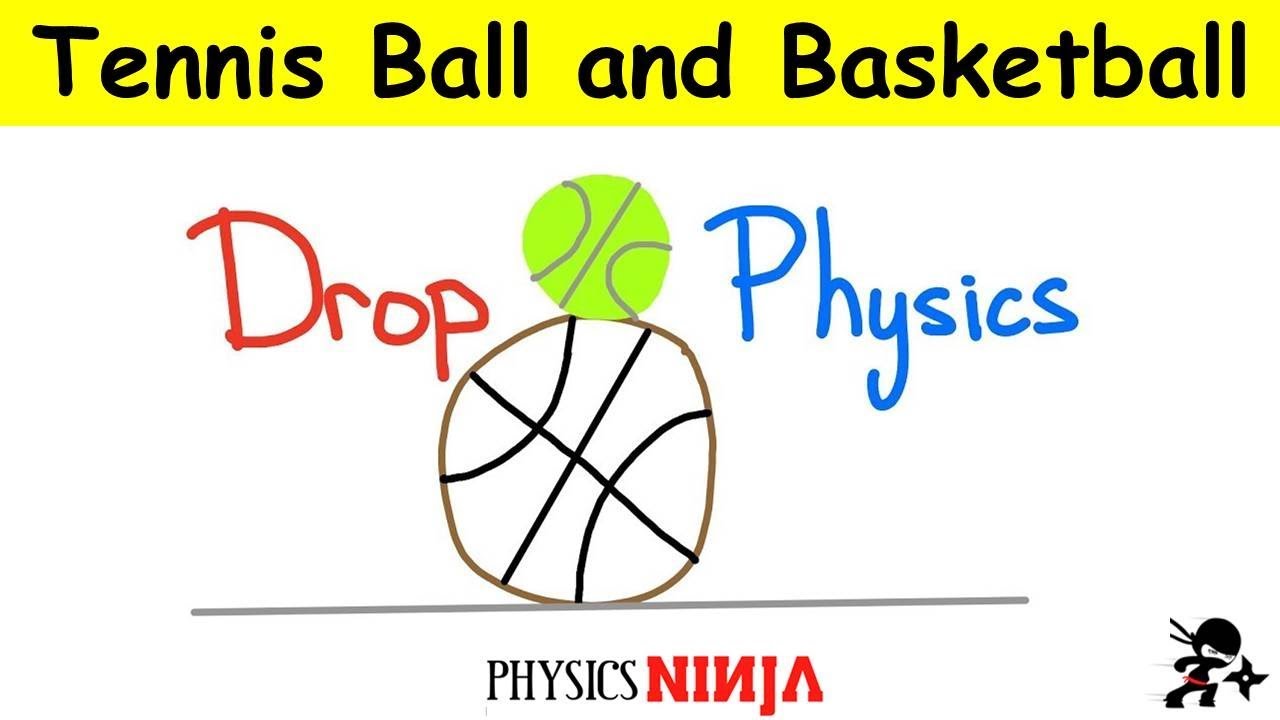
Tennis ball and basketball drop physics
5.0 / 5 (0 votes)
