Bitcoin Will Shock Investors in the Next 8 Months.
Summary
TLDRThe video discusses the steepening of the yield curve, a potential signal for a looming recession, and its impact on risk assets like Bitcoin. The yield curve, historically a precursor to economic downturns, has shown signs of inversion and steepening similar to past recessions. The video explores the relationship between the yield curve and Bitcoin's performance, suggesting that while Bitcoin has not yet faced a full recession, it is likely to face significant corrections if the economy falters. However, it also forecasts a potential period of Bitcoin strength from late 2025 to mid-2026, with risks increasing again in 2027.
Takeaways
- 😀 The yield curve has steepened by 1% in the past year, which historically signals an economic recession, similar to previous instances in 2020, 2007, and 2001.
- 😀 A steepened yield curve has often preceded recessions, as it reflects the Federal Reserve cutting interest rates in response to economic weakness.
- 😀 Bitcoin has generally followed the performance of the US stock market during major downturns, suggesting it is unlikely to act as a recession hedge.
- 😀 Bitcoin's price historically tends to decline during stock market drawdowns, as shown by an average weekly drop of 5% during the worst 20% of the stock market's weekly performance.
- 😀 Recessions are marked by significant declines in risk assets like stocks, silver, and potentially Bitcoin, as the yield curve is often in the 'hot zone' leading up to such events.
- 😀 The yield curve is currently in the 'hot zone', suggesting a risk of economic downturn, but this is not yet confirmed by the unemployment rate, which remains low.
- 😀 The National Bureau of Economic Research defines recessions with a rise in unemployment, but current jobless claims are still low, indicating that a rise in unemployment is not imminent.
- 😀 Jobless claims typically rise before the unemployment rate, but current data shows claims are low, meaning the risk of an immediate recession remains low.
- 😀 Shifting the yield curve forward by two years, we see Bitcoin is likely to experience a tough period between 2025 and mid-2027, with a potentially constructive phase from December 2025 to July 2026.
- 😀 The video emphasizes a special Cyber Monday discount for a trading service that has delivered strong returns, including 30% on Bitcoin, 63% on Solana, and 83% on Ethereum, while maintaining small losses.
Q & A
What is the yield curve and how does it relate to the economy?
-The yield curve is the difference between long-term bond yields (like the 10-year Treasury) and short-term bond yields (like the 2-year Treasury). A steep yield curve typically signals economic expansion, while an inverted yield curve often points to a potential recession. Historically, when the yield curve steepens after an inversion, it has often preceded or occurred during a recession.
What does it mean when the yield curve steepens by 1%?
-A 1% steepening of the yield curve indicates that the difference between long-term and short-term bond yields has increased significantly. This movement has historically been associated with periods of economic downturns, as it often follows a phase where the curve was inverted, typically caused by the Federal Reserve raising interest rates.
What does a yield curve inversion indicate about the Federal Reserve's policy?
-A yield curve inversion typically happens when the Federal Reserve raises interest rates to slow down an overheated economy. The inversion occurs because the Fed has more control over short-term yields, and when it hikes rates, the 2-year yield may exceed the 10-year yield, signaling restrictive monetary policy that can eventually lead to a recession.
How have previous yield curve steepenings correlated with recessions?
-Historically, every significant steepening of the yield curve has been followed by a recession, including instances in 1929, 2001, 2007, and 2020. These periods were marked by economic downturns, where risk assets like stocks, commodities, and even Bitcoin suffered major corrections.
How is Bitcoin likely to behave during a recession, according to the script?
-Bitcoin has shown a tendency to perform poorly during large stock market drawdowns, which are common during recessions. Although Bitcoin is often viewed as a risk asset, its correlation with traditional assets like stocks suggests that it may not act as a recession hedge and could experience significant price drops during recessions.
Why does the unemployment rate play a crucial role in determining a recession?
-The National Bureau of Economic Research (NBER), which officially declares recessions in the US, considers unemployment a key indicator. A rising unemployment rate is often one of the first signs of a recession, as job losses typically precede broader economic contraction.
What does the script suggest about the current unemployment rate in relation to a potential recession?
-Despite the steepening yield curve, the unemployment rate remains historically low, which is unusual because past recessions have been marked by rising unemployment rates after the yield curve steepened. As of now, there isn't strong evidence suggesting a sharp increase in the unemployment rate, signaling that a recession may not be imminent.
How do initial jobless claims relate to the unemployment rate and recessions?
-Initial jobless claims, which track the number of people filing for unemployment benefits each week, tend to rise before the official unemployment rate increases. This early warning sign helps identify when the job market is starting to weaken, often signaling the onset of a recession.
How is the yield curve projected to impact Bitcoin's performance until 2027?
-The yield curve is projected to impact Bitcoin’s performance through 2027, with periods of decline followed by potential strength. Specifically, the curve suggests a challenging phase for Bitcoin from mid-2026 to 2027, but a constructive period from December 2025 to July 2026 where Bitcoin could show renewed strength.
What does the script say about the relationship between Bitcoin and the broader stock market?
-The script suggests that Bitcoin tends to move in sync with the broader stock market, particularly during downturns. As Bitcoin has only existed since 2009, it has never experienced a true recession, but its performance has been closely correlated with risk assets like stocks, indicating that Bitcoin is not a reliable recession hedge.
Outlines

This section is available to paid users only. Please upgrade to access this part.
Upgrade NowMindmap

This section is available to paid users only. Please upgrade to access this part.
Upgrade NowKeywords

This section is available to paid users only. Please upgrade to access this part.
Upgrade NowHighlights

This section is available to paid users only. Please upgrade to access this part.
Upgrade NowTranscripts

This section is available to paid users only. Please upgrade to access this part.
Upgrade NowBrowse More Related Video

Gold & Gold Stock Fundamentals Will Be Strongest in 2025

The Yield Curve is Signaling a Major Warning – Here’s What You Need to Know

A Warning from the Past...

Recession fears in America again? India in Trouble? : Economic Case study

Tom Lee: Bitcoin Set for Explosive July Move | Stablecoins & BTC About to Redefine Finance
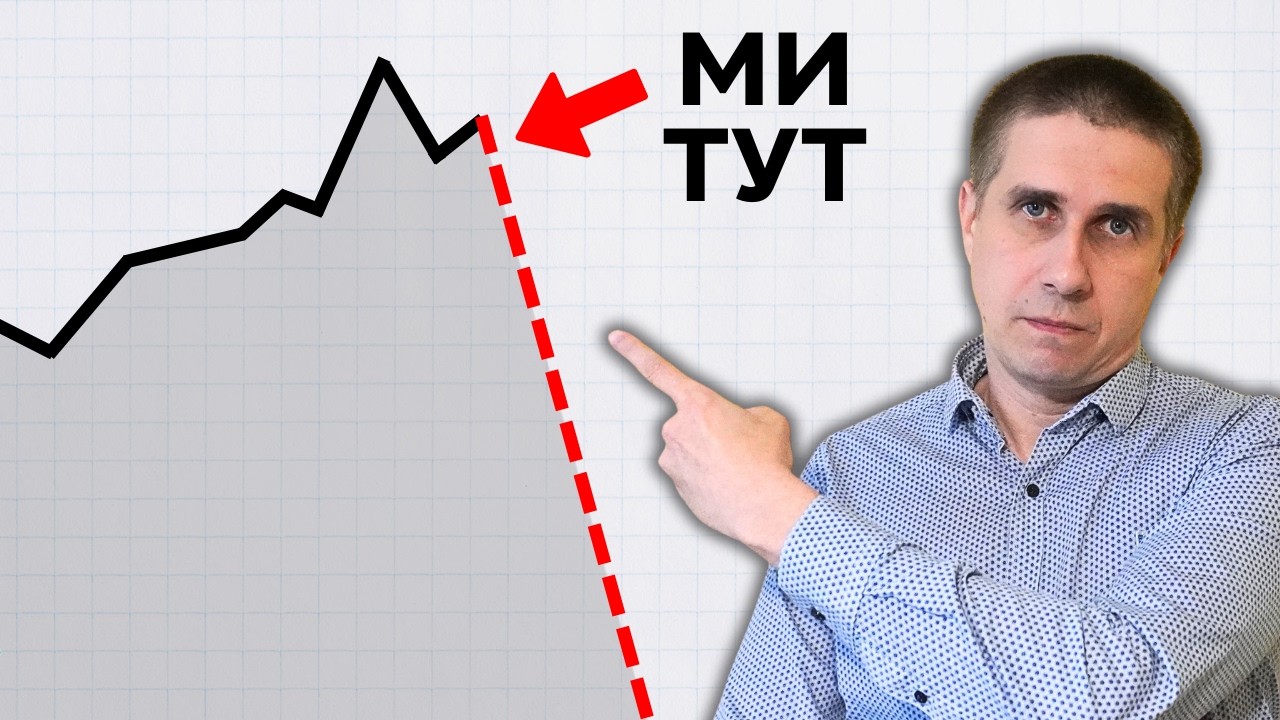
Рецесія 2024 щойно почалася... 99% інвесторів помиляються
5.0 / 5 (0 votes)
