Project Based Teaching Practices: Assess Student Learning
Summary
TLDRIn Project-Based Learning (PBL), assessment is multi-dimensional, incorporating feedback from teachers, peers, and outside experts. This approach emphasizes understanding content, collaboration, critical thinking, and communication skills. Teachers use rubrics to ensure transparency and guide students in self-assessment. Formative assessments, like peer critiques and quick checks for understanding, help students stay on track. Teachers can make real-time adjustments, fostering a deeper learning experience. PBL encourages students to take charge of their learning through feedback loops, revisions, and reflection, ultimately improving their skills and project outcomes.
Takeaways
- 😀 Project-Based Learning (PBL) assessment involves multiple perspectives, including teachers, peers, self-assessment, and experts.
- 😀 PBL assessment focuses on understanding content goals, collaboration, critical thinking, and communication skills.
- 😀 Rubrics are key tools in PBL, helping to clearly communicate learning goals and expectations to students.
- 😀 Students should use clear, student-friendly language when working with rubrics, and they should actively critique models to internalize quality standards.
- 😀 Formative assessments, such as peer critiques and check-ins, are essential for monitoring student progress throughout the project.
- 😀 Teachers should prioritize formative assessment over summative assessment in PBL, using tools like exit tickets to gauge understanding in real-time.
- 😀 Reflection exercises, such as writing for thinking, encourage students to consider their learning process and plan improvements.
- 😀 Quick formative assessments, such as asking students to explain their thinking, provide immediate feedback to steer students back on track.
- 😀 Structured peer critique methods, like the Charrette Protocol, help students provide quality feedback and refine their work over time.
- 😀 Regular formative assessments allow teachers to make adjustments based on individual or group needs, ensuring all students stay on track with the learning goals.
Q & A
What is the key difference between traditional teaching assessment and Project-Based Learning (PBL) assessment?
-In traditional teaching, assessment typically comes only from the teacher. In Project-Based Learning (PBL), assessment is multi-dimensional, involving teachers, peers, self-assessment, and sometimes outside experts.
How does PBL assessment help in evaluating students beyond academic content?
-PBL assessment looks at how well students understand content, how they develop as collaborators and critical thinkers, and how effectively they communicate their ideas to an audience.
Why is using a rubric important in Project-Based Learning?
-A rubric helps communicate different learning goals clearly and transparently to students, ensuring they understand the criteria for success and the expectations for quality work.
What is a critical element of success in PBL experiments, according to the teacher in the script?
-A critical element is that the students' hypotheses must be clear and follow the 'If, Then, Because' format, which helps them structure their thinking and understand the experiment.
How do teachers ensure that students understand the rubric and the assessment criteria in PBL?
-Teachers can co-create rubrics with students and use student-friendly language. They can also provide models for students to critique and ensure that students have internalized the criteria for good quality work.
What role do formative assessments play in PBL?
-Formative assessments help teachers gauge student understanding in real-time. They allow teachers to adjust their instruction, provide necessary support, and ensure that students stay on track toward their learning goals.
What are some examples of formative assessment strategies used in PBL?
-Examples include exit tickets, writing for thinking activities, peer critiques, and quick observational assessments, like asking students to explain their reasoning or using hand signals to gauge understanding.
Why is the process of peer critique important in PBL?
-Peer critique allows students to receive feedback from their classmates, which helps them improve their work. Structured protocols like the Charrette Protocol ensure the feedback is constructive and focused on quality improvement.
What impact has the use of the Charrette Protocol had on students’ feedback quality?
-The use of the Charrette Protocol has improved the quality of feedback from students, shifting from vague comments to more detailed, actionable suggestions that help classmates enhance their work.
How does writing for thinking help in the learning process?
-Writing for thinking encourages students to reflect on their problem-solving process, including their initial ideas, hypotheses, and plans, which deepens their understanding and helps them analyze their progress.
Outlines

This section is available to paid users only. Please upgrade to access this part.
Upgrade NowMindmap

This section is available to paid users only. Please upgrade to access this part.
Upgrade NowKeywords

This section is available to paid users only. Please upgrade to access this part.
Upgrade NowHighlights

This section is available to paid users only. Please upgrade to access this part.
Upgrade NowTranscripts

This section is available to paid users only. Please upgrade to access this part.
Upgrade NowBrowse More Related Video
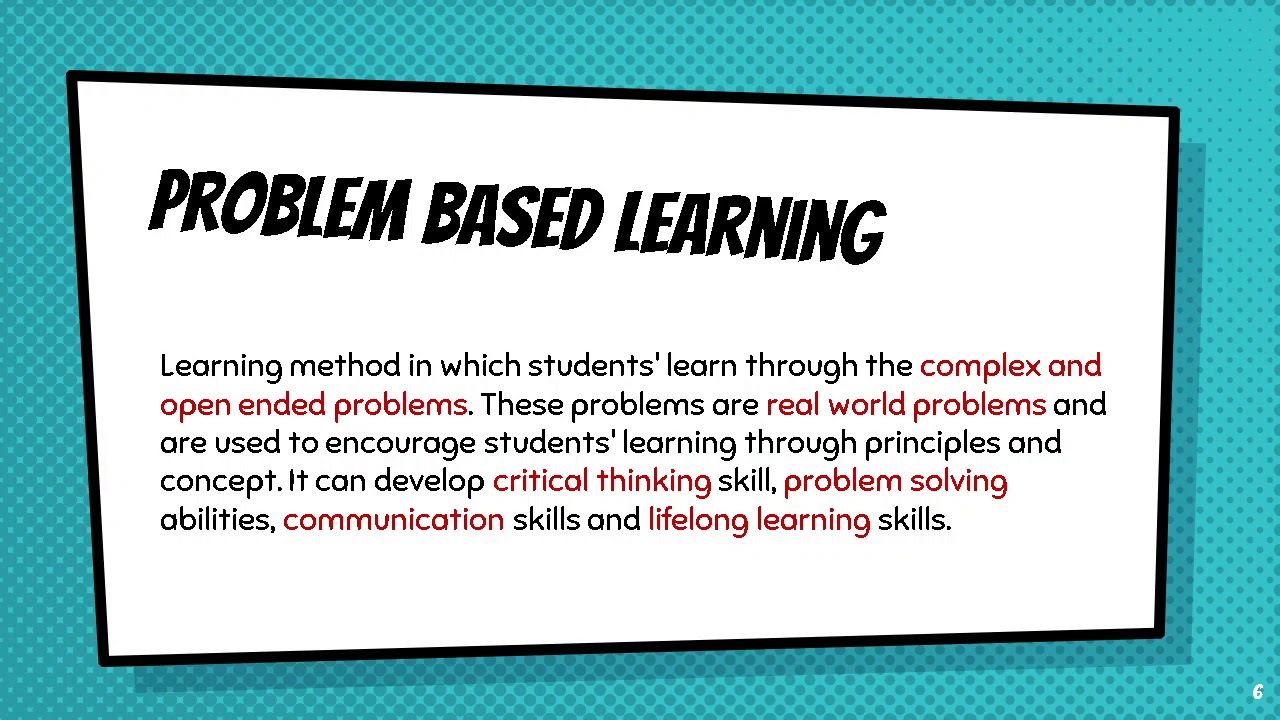
Metode Belajar (Learning Method)

Reinventing AP Courses With Rigorous Project-Based Learning

Project-Based Learning Challenges 🔍🎯 (21st Century Education)

Project Based Learning

JUARA 1 Lomba Inovasi Pembelajaran Tahun 2023 Sesuai Metode Alur STAR
Mendesain dan Mengelola Proyek Pelajar Pancasila (P5) Kurikulum Merdeka
5.0 / 5 (0 votes)
