PSPBM Skills - Understanding Your Stakeholders - Flyover
Summary
TLDRThis transcript captures a discussion between Todd and Ryan about teaching Scrum and product backlog management. They emphasize the importance of engaging with customers and validating assumptions, especially when using tools like Proto personas. The conversation stresses that guessing customer behavior is a guaranteed path to failure, urging Scrum Masters and product owners to always interact directly with customers. While some content may feel disconnected from the case study, the key message is clear: continual validation through customer feedback is essential for successful Scrum implementation.
Takeaways
- 😀 Ensure to connect various Scrum concepts by reviewing and making connections between them during your training sessions.
- 😀 The importance of the Product Backlog in Scrum: Use case studies to show how product backlog items are created and how they relate to real user needs.
- 😀 Proto Personas are useful tools for understanding different types of users, but they must be validated with real customer interactions to be effective.
- 😀 Don't rely on guessing customer behavior. Always validate assumptions by talking directly to customers and stakeholders.
- 😀 Continuous customer validation is key to maintaining alignment with stakeholders and ensuring the product meets their evolving needs.
- 😀 Product owners and other Scrum team members must engage with customers directly rather than assuming they know their needs based on prior knowledge.
- 😀 Resistance from product owners to engaging with customers directly is common, but it's crucial for success in Scrum to encourage them to talk to real customers.
- 😀 The concept of 'guessing customer behavior is a guaranteed fail' reinforces the importance of real-time customer feedback in product development.
- 😀 Trainers should be prepared for potential disconnects in case studies and adapt content to reflect the actual context students work in.
- 😀 It's crucial to repeat the message of customer validation throughout all training sections to ensure the idea is embedded in Scrum practices.
- 😀 Even when a product seems like it will be successful, real customer feedback is necessary to avoid assumptions that lead to failure.
Q & A
What is the main focus of the product backlog management class discussed in the script?
-The main focus is to teach students about product backlog creation, stakeholder identification, user role modeling, and the importance of validating assumptions with real customers in the context of Scrum methodology.
Why is customer validation emphasized in the conversation?
-Customer validation is emphasized to ensure that product development aligns with real customer needs and not assumptions, which can lead to failure. Direct interaction with customers is necessary to validate the accuracy of decisions.
What is the role of Proto personas in the class activities?
-Proto personas are used as a tool to help students think about different types of users and their needs. They are a starting point for understanding customer behavior, but they must be validated with real customer feedback.
How do the instructors feel about guessing customer behavior?
-The instructors strongly advise against guessing customer behavior. They believe that guessing leads to failure, and the key to success is to talk to actual customers and validate assumptions.
What feedback did the instructors mention receiving about the course?
-Instructors mentioned receiving feedback from trainers but not from students, stating that the course structure worked well in practice despite some perceived disconnect between the case study exercises and real-world application.
What is the importance of personas in the Scrum methodology, according to the conversation?
-Personas, especially Proto personas, help create a deeper understanding of customer needs and behaviors. They assist in tailoring the product backlog and ensuring that the Scrum process aligns with user expectations.
Why do the instructors stress the importance of not relying on assumptions in product development?
-The instructors stress this because relying on assumptions about what customers want without validation can lead to costly failures. Direct engagement with customers ensures the team is working on the right problems and building valuable solutions.
What is the significance of the case study used in the class?
-The case study is used to illustrate how the Scrum framework can be applied in practice, particularly in terms of creating and managing a product backlog. It also allows students to explore the process of user role modeling and stakeholder identification.
How do the instructors suggest handling Proto personas in teaching?
-The instructors suggest using Proto personas as teaching tools, but they emphasize that these personas must be validated with real customer data. They also note that Proto personas are not required but can be helpful in facilitating deeper customer understanding.
What do the instructors mean by the phrase 'The House Always Wins' in the context of product development?
-The phrase 'The House Always Wins' is used metaphorically to convey that if you make assumptions without validating them with real customers, you are likely to fail, just like betting against the house in a casino. It underscores the importance of validation over assumptions.
Outlines

This section is available to paid users only. Please upgrade to access this part.
Upgrade NowMindmap

This section is available to paid users only. Please upgrade to access this part.
Upgrade NowKeywords

This section is available to paid users only. Please upgrade to access this part.
Upgrade NowHighlights

This section is available to paid users only. Please upgrade to access this part.
Upgrade NowTranscripts

This section is available to paid users only. Please upgrade to access this part.
Upgrade NowBrowse More Related Video

5 Common Myths About The Scrum Product Backlog

What is Scrum? | Scrum in 20 Minutes | Scrum Master Training | Edureka
Scrum Methodology | Scrum Master Tutorial | Simplilearn
YDS: How Should a Scrum Master Facilitate Their First Retrospective?

Scrum Artifacts - Agile Coach (2018)
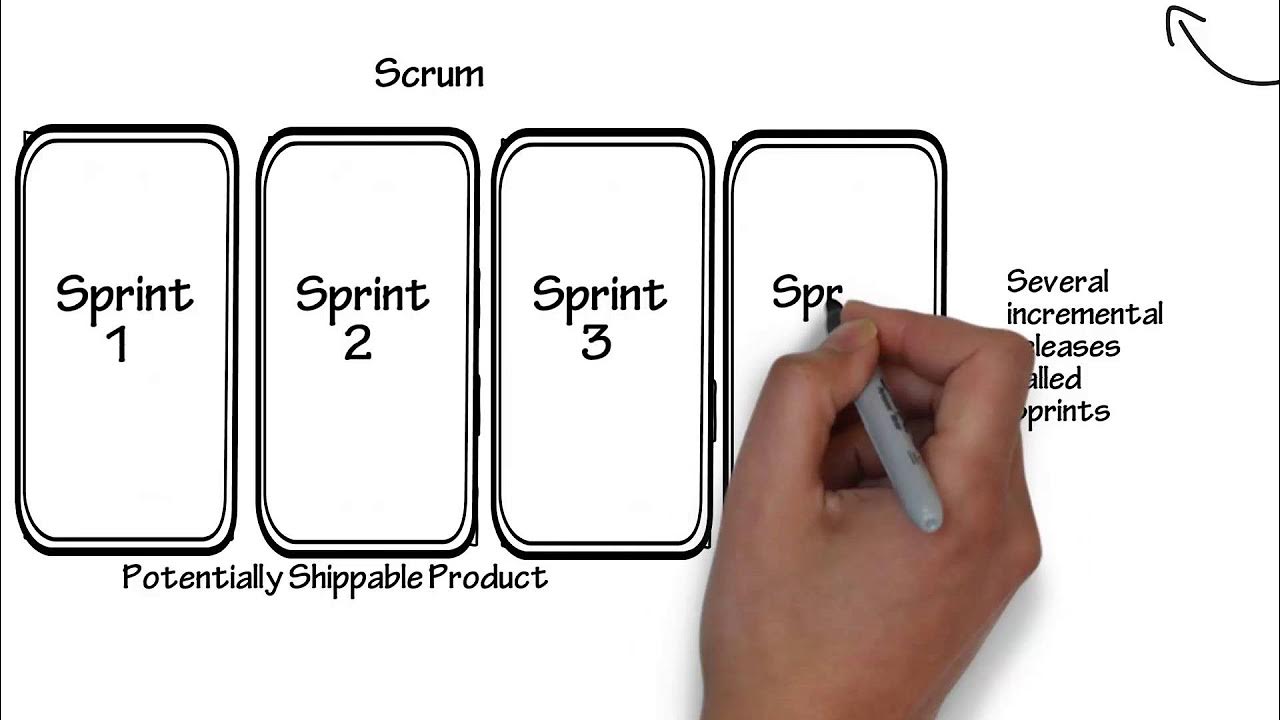
Introduction to Scrum - 7 Minutes
5.0 / 5 (0 votes)
