Cómo se Hacen las COOKIES en la Fábrica: ¡Descubre el Proceso Paso a Paso!
Summary
TLDRThis video takes viewers on a fascinating journey inside a cookie factory, revealing the intricate process behind creating the perfect chocolate chip cookies. From the invention by Ruth Wakefield in 1938 to the careful selection of high-quality ingredients, the video explains each step: mixing, shaping, baking, cooling, quality control, and packaging. It highlights the precision, technology, and attention to detail required to ensure every cookie is crisp on the outside, soft inside, and perfectly dotted with chocolate chunks. Engaging and informative, the video combines history, science, and production insights, showing how these beloved treats go from raw ingredients to the shelves of your local store.
Please replace the link and try again.
Q & A
Who invented chocolate chip cookies and when?
-Chocolate chip cookies were invented by Ruth Wakefield in 1938 in Massachusetts, USA, when she added semisweet chocolate pieces to her butter cookies.
Why did the chocolate in Ruth Wakefield's cookies not melt completely?
-The chocolate pieces did not melt completely and retained their shape, which created the first chocolate chip cookies and gave them their distinctive texture.
What are the basic ingredients used to make cookies in a factory?
-The basic ingredients include high-quality flour, a mix of white and brown sugar, butter, eggs, baking soda, chocolate pieces, vanilla extract, and a pinch of salt.
Why is ingredient quality so important in cookie production?
-The quality of each ingredient ensures the correct texture, flavor, and consistency of the cookies, which is essential for producing uniform and delicious products.
How are ingredients stored before production in a cookie factory?
-Ingredients are stored under controlled conditions: butter is kept in industrial refrigerators, while flour and sugar are stored in large silos to maintain freshness.
What happens during the mixing process in cookie production?
-Ingredients like butter and sugars are creamed together first, then eggs, vanilla, and salt are added. Flour is incorporated slowly to avoid over-mixing, and finally chocolate chips are evenly distributed in the dough.
How do factories ensure uniformity in cookie size and shape?
-Specialized machines divide the dough into precise portions and mold them into round shapes, ensuring that each cookie has the same size and weight.
What is the importance of the baking stage in cookie production?
-Baking at the correct temperature and time ensures cookies are crispy on the outside and soft on the inside. Even a few seconds difference can affect texture and taste.
How are cookies cooled before packaging, and why is this step critical?
-Cookies are cooled gradually on conveyor belts to prevent moisture condensation in the packages, which could ruin the texture. Visual and automated quality checks are also performed during this stage.
What quality control measures are taken in a cookie factory?
-Factories use visual inspections, automated sensors, and periodic taste and texture tests to ensure every cookie meets strict standards before packaging.
How are cookies packaged for distribution?
-Cooled and approved cookies are grouped and sealed in various package sizes, from single bags to family boxes, maintaining freshness before being sent to stores.
How does the history of cookies reflect their global popularity today?
-Starting as a popular American invention by Ruth Wakefield, chocolate chip cookies have evolved and spread worldwide, adapting into many forms and flavors while maintaining their core combination of crispy dough and chocolate chunks.
Outlines

This section is available to paid users only. Please upgrade to access this part.
Upgrade NowMindmap

This section is available to paid users only. Please upgrade to access this part.
Upgrade NowKeywords

This section is available to paid users only. Please upgrade to access this part.
Upgrade NowHighlights

This section is available to paid users only. Please upgrade to access this part.
Upgrade NowTranscripts

This section is available to paid users only. Please upgrade to access this part.
Upgrade NowBrowse More Related Video

6 Pro Chefs Make Their Favorite Cookies | Test Kitchen Talks | Bon Appétit
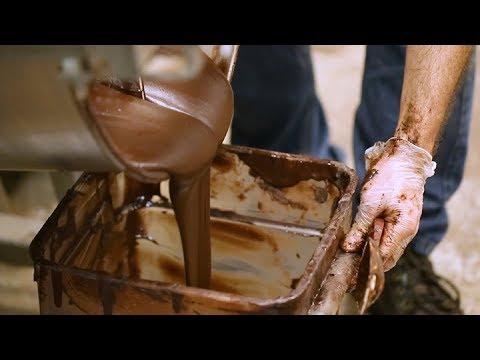
How Chocolate is Made

How It's Made: Chocolate Chip Cookies

Chocolate Chip Cookies (Classic Version) - Joyofbaking.com

Cara Membuat Cookies - Bahan Ajar Kursus Pastry dan Bakery

Chocolate Chip Cookies Recipe

Oatmeal Chocolate Chip Cookies
5.0 / 5 (0 votes)
