The Theory of Evolution (by Natural Selection) | Cornerstones Education
Summary
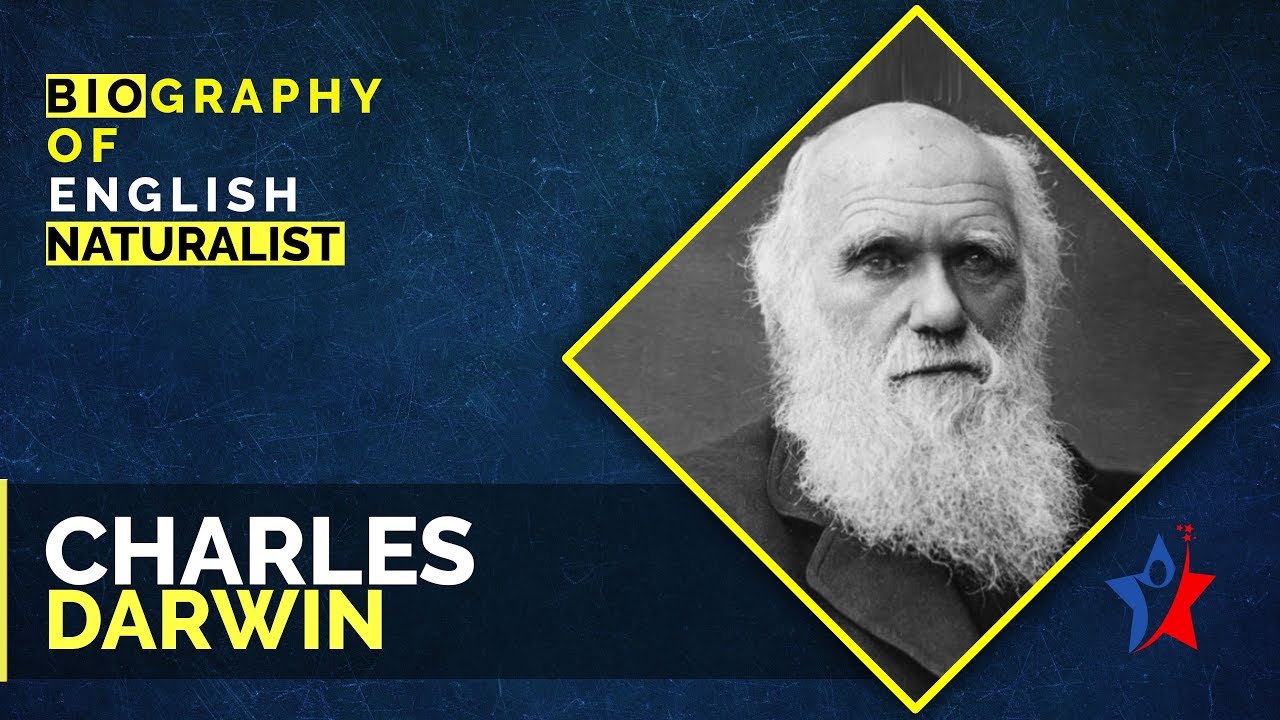
TLDRCharles Darwin revolutionized our understanding of life on Earth with his theory of evolution. During his voyage on the HMS Beagle, Darwin observed various species, including finches on the Galapagos Islands, which led him to the idea of natural selection. He realized that organisms adapt to their environments over time, best suited traits are passed down, and this drives evolution. Darwin also showed how this process can be seen in examples like the peppered moths. Despite controversy, his ideas on evolution by natural selection became the foundation of modern biology.
Takeaways
- 😀 Charles Darwin was a famous scientist in the 1800s who developed the theory of evolution, forever changing our understanding of life on Earth.
- 😀 Darwin's fascination with animals led him to observe and collect plants and animals during his voyage on HMS Beagle in 1831.
- 😀 While visiting the Galapagos Islands, Darwin discovered 15 species of finch, which led him to study their varying beak shapes.
- 😀 Darwin found that the different beak shapes of the finches were suited to their specific food sources, supporting the idea of adaptation to the environment.
- 😀 Darwin's observations led to the concept of 'survival of the fittest,' where the best-adapted individuals are more likely to survive and reproduce.
- 😀 Natural variation in physical characteristics, such as neck length in giraffes, helps species adapt to their environments over time.
- 😀 Darwin's theory was demonstrated with the example of the peppered moths in London, where pollution led to a change in the moth population's color.
- 😀 The process of natural selection occurs over long periods, but changes can happen more rapidly in response to environmental changes.
- 😀 Darwin proposed that humans share a common ancestor with modern apes, which was a controversial idea at the time due to religious opposition.
- 😀 Despite initial controversy, Darwin's theory of evolution by natural selection is now widely accepted as the best scientific explanation for the diversity of life on Earth.
Q & A
What was Charles Darwin famous for?
-Charles Darwin was famous for developing the theory of evolution, which revolutionized the way we understand life on Earth.
What role did Darwin's voyage aboard the HMS Beagle play in his research?
-Darwin's voyage aboard the HMS Beagle allowed him to observe and collect a wide range of plants and animals, particularly in South America and Australia, which laid the groundwork for his theories on evolution.
What did Darwin observe about finches on the Galapagos Islands?
-Darwin observed that finches on the Galapagos Islands had different beak shapes, which were adapted to the type of food available on each island, such as insects or hard fruits.
How did Darwin explain the differences in the finches' beaks?
-Darwin explained that the finches' beaks had adapted to the environment over time, specifically the food available, supporting the idea of evolution through natural selection.
What is the concept of 'survival of the fittest'?
-'Survival of the fittest' is the idea that organisms best suited to their environment are more likely to survive, reproduce, and pass on their beneficial characteristics to their offspring.
What example did Darwin use to illustrate natural selection?
-Darwin used the example of the peppered moths in London. Before the industrial revolution, light-colored moths were more likely to survive because they could blend in with tree bark. However, after industrial pollution darkened the trees, dark-colored moths became better camouflaged and more likely to survive.
How did the industrial revolution affect the peppered moth population?
-The industrial revolution led to a darkening of tree trunks due to soot from factories. As a result, the dark-colored moths were better camouflaged and had a higher survival rate, leading their population to grow from 2% to 95% by 1895.
What is natural selection?
-Natural selection is the process by which organisms with traits better suited to their environment have a higher chance of surviving and reproducing, leading to the prevalence of these traits in future generations.
What controversial idea did Darwin propose about humans?
-Darwin proposed that humans share a common ancestor with modern apes, which was controversial because it challenged religious beliefs at the time.
How has Darwin's theory of evolution impacted the world today?
-Darwin's theory of evolution by natural selection has had a profound impact on science and is now widely accepted as the best scientific explanation for the diversity of life on Earth.
Outlines

This section is available to paid users only. Please upgrade to access this part.
Upgrade NowMindmap

This section is available to paid users only. Please upgrade to access this part.
Upgrade NowKeywords

This section is available to paid users only. Please upgrade to access this part.
Upgrade NowHighlights

This section is available to paid users only. Please upgrade to access this part.
Upgrade NowTranscripts

This section is available to paid users only. Please upgrade to access this part.
Upgrade NowBrowse More Related Video


5.0 / 5 (0 votes)
