NFPA 13 Pipe Schedule Method for Firefighting Sprinkler System Designing in Urdu/Hindi
Summary
TLDRIn this video, Tanweer Ahmed explains the pipe schedule method for designing firefighting sprinkler systems based on NFPA-13 standards. The method helps determine pipe sizes and the number of sprinklers to be installed, depending on the fire hazard classification. Ahmed covers light, ordinary, and extra hazard classifications, providing detailed schedules for pipe sizes and sprinkler quantities. He also discusses the water flow rates and pressures required for different hazard levels. This comprehensive guide is aimed at HVAC/MEP professionals looking to design effective fire sprinkler systems with the proper calculations and standards.
Takeaways
- 😀 The Pipe Schedule Method is used for designing fire sprinkler systems according to NFPA-13, particularly for systems with a floor area of 465 square meters or less.
- 😀 The Pipe Schedule Method determines the number of sprinklers based on pipe size, with specific schedules outlined for various hazard classifications.
- 😀 Fire hazard occupancies are classified into six categories, but the most common ones used for sprinkler system design are Light Hazard, Ordinary Hazard, and Extra Hazard.
- 😀 Pipe sizes and the number of sprinklers that can be installed are directly correlated. For instance, a 1-inch pipe can support 2 sprinklers, while a 2.5-inch pipe can support up to 50 sprinklers.
- 😀 The Light Hazard classification involves installing sprinklers both above and below false ceilings, with the maximum sprinkler count depending on the pipe diameter and the installation location.
- 😀 In the Ordinary Hazard classification, sprinklers are installed only below the false ceiling, and the number of sprinklers varies with the pipe size. The system also requires a U-shaped loop for smooth water flow.
- 😀 For Extra Hazard occupancies, the Pipe Schedule Method is not applicable, and hydraulic calculations are required to determine the appropriate sprinkler count and pipe size.
- 😀 Water pressure and flow rates vary based on the hazard classification. Light Hazard systems require 15 psi residual pressure and 500-750 gpm, while Ordinary Hazard systems require 20 psi residual pressure and 850-1000 gpm.
- 😀 The water duration for firefighting purposes should be between 30-60 minutes for Light Hazard systems and 60-90 minutes for Ordinary Hazard systems to ensure adequate protection during a fire.
- 😀 The difference between Light Hazard and Ordinary Hazard systems is most noticeable in the sprinkler count for larger pipe sizes, with Ordinary Hazard systems requiring fewer sprinklers for the same pipe diameter.
- 😀 For designing fire sprinkler systems, the classification of the occupancy (Light, Ordinary, Extra Hazard) must be considered first, followed by appropriate pipe sizes and sprinkler counts based on the relevant schedule.
Please replace the link and try again.
Outlines

This section is available to paid users only. Please upgrade to access this part.
Upgrade NowMindmap

This section is available to paid users only. Please upgrade to access this part.
Upgrade NowKeywords

This section is available to paid users only. Please upgrade to access this part.
Upgrade NowHighlights

This section is available to paid users only. Please upgrade to access this part.
Upgrade NowTranscripts

This section is available to paid users only. Please upgrade to access this part.
Upgrade NowBrowse More Related Video

Fire Sprinkler system | Firefighting lesson 6

CARA KERJA SISTEM FIRE SPRINKLER ALAT PEMADAM API OTOMATIS PADA GEDUNG / BANGUNAN

Fundamental of Pipe (Pipeline) for Oil & Gas Engineer - Revised

SAIT PLUMBING SUPPLEMENTAL CODE APPENDIX WET VENTING 2.5.2.1.

Clase 9 inst t3we gas (parte 1)
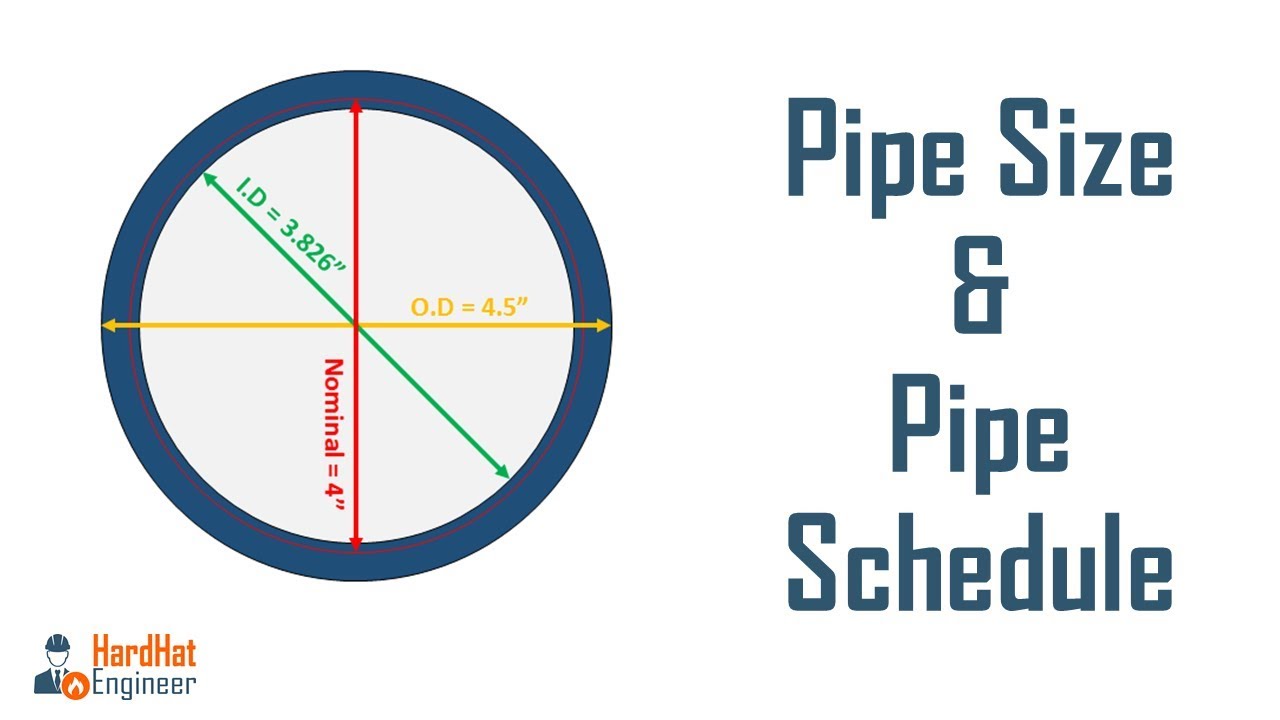
Pipe Sizes and Pipe Schedule - A Complete Guide For Piping Professional
5.0 / 5 (0 votes)
