Physics - Waves - Introduction - Definitions, Logintudinal and Transverse.
Summary
TLDRThis video introduces the concept of waves, focusing on two main types: transverse waves, exemplified by sea waves, and longitudinal waves, represented by sound waves. It explains that waves transfer energy, not matter, using the analogy of a rubber duck in a bath. Key wave features, including wavelength, amplitude, and frequency, are outlined with definitions and examples. The video also explains how to calculate wave speed using the equation V = F × λ, giving viewers a solid foundation in wave concepts, essential for understanding more advanced topics in physics.
Takeaways
- 😀 Waves come in two types: transverse waves (e.g., sea waves) and longitudinal waves (e.g., sound waves).
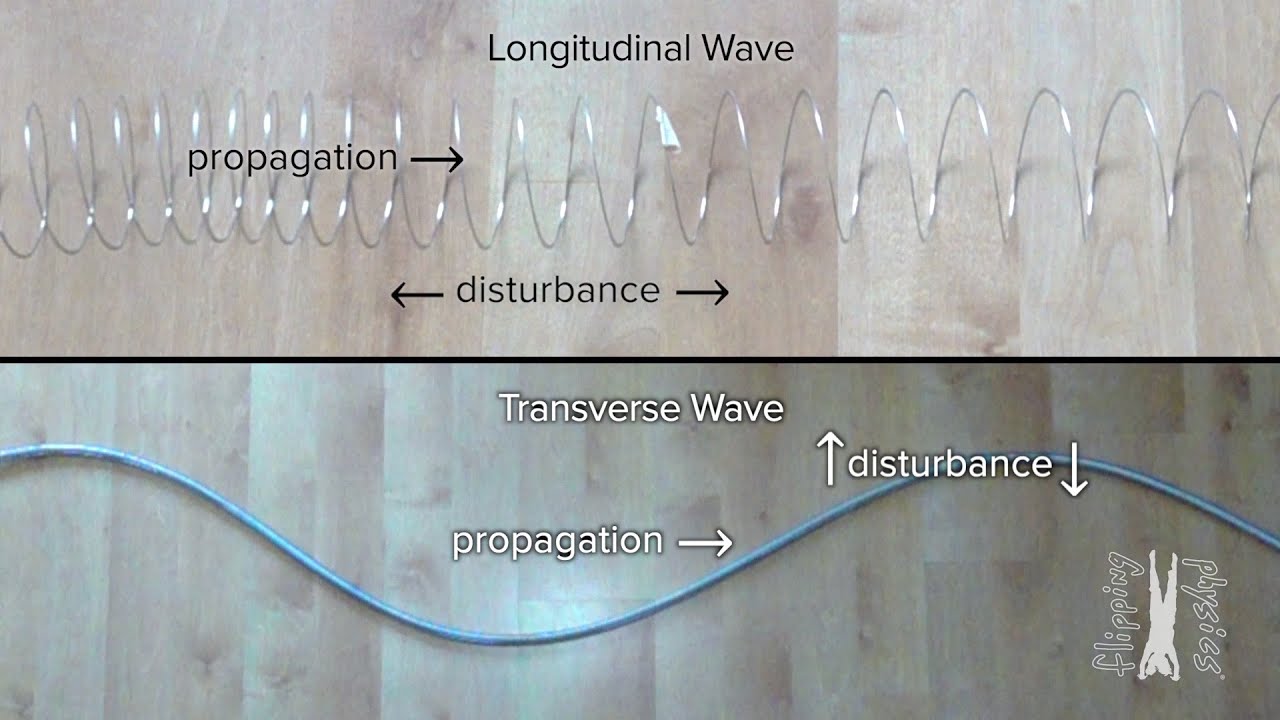
- 😀 Transverse waves have vibrations that are perpendicular to the direction of travel, like in water waves or light waves.
- 😀 Longitudinal waves have vibrations that are parallel to the direction of travel, as seen in sound waves.
- 😀 Waves transfer energy, not matter, as demonstrated by a rubber duck in a bath. The duck bobs up and down, but stays in place.
- 😀 Wavelength is the length of a full wave cycle, measured from crest to crest or trough to trough, and is measured in meters.
- 😀 Amplitude refers to the height of a wave from the equilibrium position to the crest, not from the crest to the trough.
- 😀 Frequency is the number of complete waves that pass a point every second, measured in Hertz (Hz).
- 😀 Example: If 10 waves pass in 2 seconds, the frequency is 5 Hertz.
- 😀 Wave speed can be calculated using the formula: speed = frequency × wavelength (V = F × λ).
- 😀 Understanding the core concepts of waves—wavelength, amplitude, frequency, and speed—builds confidence in the study of waves.
Q & A
What are the two main types of waves discussed in the script?
-The two main types of waves discussed are transverse waves and longitudinal waves.
How do transverse waves move, and what are some examples?
-Transverse waves move in a direction perpendicular (90°) to the direction of the wave's travel. Examples include waves in the sea, waves on a string, and light waves.
What is the key characteristic of longitudinal waves?
-In longitudinal waves, the vibration occurs in the same direction as the wave's travel. An example of a longitudinal wave is a sound wave.
What does a wave transfer from one place to another?
-A wave transfers energy, not matter. The energy moves through the medium, but the medium itself does not travel with the wave.
In the example of the rubber duck in a bath, what does the wave do to the duck?
-The wave causes the rubber duck to bob up and down as the wave passes through it, but the duck returns to its original position after the wave has passed, showing that energy was transferred, not matter.
What is the wavelength of a wave?
-The wavelength is the length of a full cycle of the wave, measured from one point to the next same point, such as from crest to crest or trough to trough. It is measured in meters.
What does amplitude represent in a wave?
-Amplitude represents the size of the wave and is measured from the equilibrium position (central line) to the crest, not from the crest to the trough.
How is frequency defined, and how is it measured?
-Frequency is the number of complete waves that pass a point every second, measured in Hertz (Hz).
How do you calculate wave speed?
-Wave speed can be calculated using the formula: v = f × λ, where v is the wave speed, f is the frequency, and λ (lambda) is the wavelength.
What would the frequency be if 10 waves pass in 2 seconds?
-If 10 waves pass in 2 seconds, the frequency would be 5 Hertz (Hz), as frequency is the number of waves per second.
Outlines

This section is available to paid users only. Please upgrade to access this part.
Upgrade NowMindmap

This section is available to paid users only. Please upgrade to access this part.
Upgrade NowKeywords

This section is available to paid users only. Please upgrade to access this part.
Upgrade NowHighlights

This section is available to paid users only. Please upgrade to access this part.
Upgrade NowTranscripts

This section is available to paid users only. Please upgrade to access this part.
Upgrade Now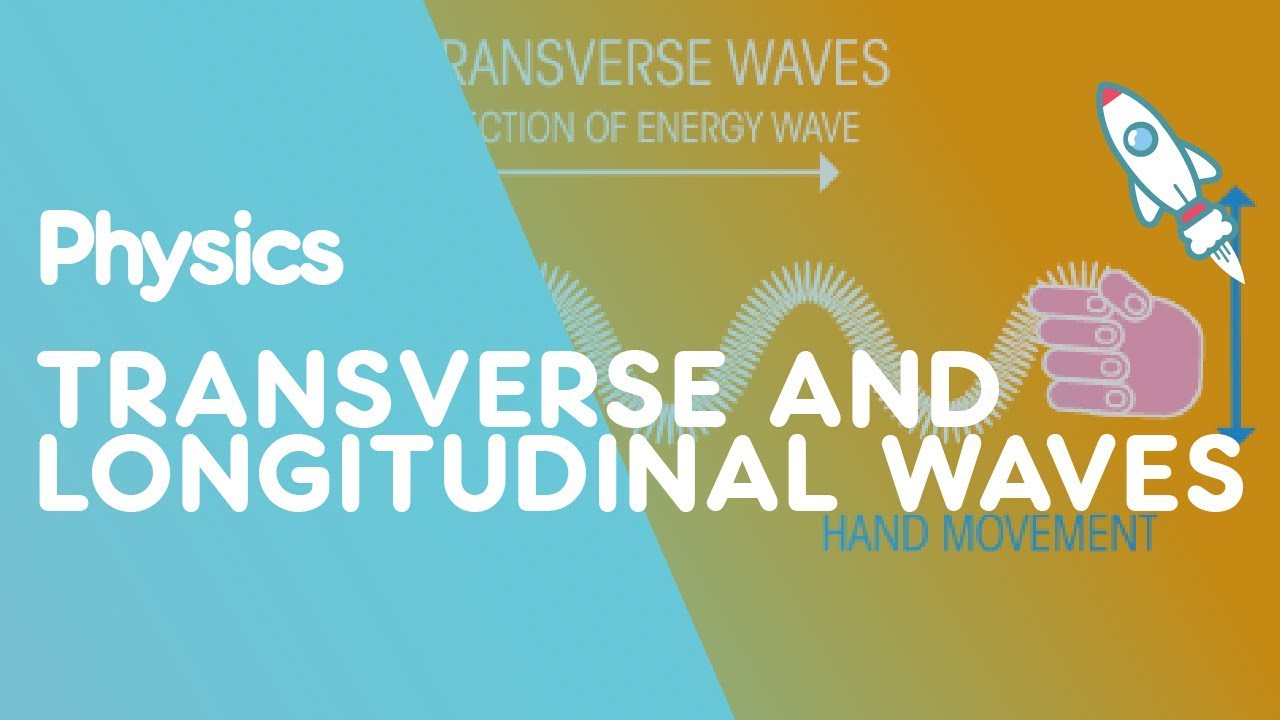

5.0 / 5 (0 votes)
