Wisdom of Islamic Finance: Rethinking Our Economic System
Summary
TLDRThis video explains the key differences between Islamic and conventional banking, highlighting how Islamic finance ties profit to real, productive assets rather than the speculative movement of money. Using a story about a father and son at a picnic, the speaker illustrates the importance of using money properly, emphasizing that Islamic banks invest in tangible goods and services. In contrast, conventional banks focus on generating profit from lending money with interest. The video advocates for an ethical, real-world approach to finance, warning against the dangers of a financial system disconnected from actual value and labor.
Takeaways
- 😀 Money is meant to be a medium of exchange, not a commodity to be traded for more money, as seen in conventional banking practices.
- 😀 Islamic banking differs from conventional banking by avoiding interest-based transactions, focusing instead on real-world assets and profit derived from tangible value.
- 😀 The story of the father and son at the picnic illustrates how using money inappropriately (for example, to make a fire) leads to undesirable outcomes, similar to the misuse of money in conventional banking.
- 😀 In Islamic finance, money should be linked to actual productive assets, such as property or commodities, to generate profit, thus ensuring that financial activity is rooted in the real economy.
- 😀 Conventional banking incentivizes the movement of money itself (e.g., lending for interest), which detaches financial transactions from the real economy, leading to speculative growth and financial instability.
- 😀 Islamic finance encourages risk-sharing and ownership, where profit is earned through actual work and the real value of assets, promoting fairness and responsibility in economic transactions.
- 😀 Profit in Islamic finance is not the same as interest. Interest-based profit (usury) is prohibited, while business profit derived from real-world activity is allowed.
- 😀 By focusing on real economic activity, Islamic banking discourages the creation of unsustainable debt bubbles, which are common in conventional financial systems that rely on speculative investments.
- 😀 The disconnect between the financial economy and the real economy in conventional banking leads to inflation, materialism, and economic inequality, which can be exacerbated by government and central bank policies.
- 😀 Islamic finance aims to build a more ethical and sustainable financial system by ensuring that money is tied to hard work, real investments, and societal well-being, as opposed to synthetic financial products that harm the economy.
Q & A
What is the core difference between Islamic and conventional banking?
-The core difference lies in how money is used. Conventional banks lend money and earn interest, while Islamic banks tie profits to real assets and productive activities. Islamic banking avoids speculative transactions and ensures that profits are linked to tangible business ventures.
Why does the story of the father and son highlight the differences between Islamic and conventional finance?
-The story illustrates how using money for purposes it was not intended for, like burning it for fire, reflects the problems with conventional finance. In the story, the son uses money inappropriately, just as conventional banks use money for speculative profit rather than supporting real economic activity.
What does Islamic banking mean by 'money as a medium of exchange'?
-In Islamic banking, money is seen as a tool to facilitate trade, buying, and selling—not a commodity to be traded for profit. The focus is on linking money to real assets and productive economic activities rather than using it purely to generate more money.
What is the problem with using money purely for speculative profit, as in conventional banking?
-Speculating on money by trading it for more money disconnects financial activity from the real economy. It leads to an unsustainable system that encourages the creation of debt and speculative financial products rather than rewarding real work and tangible assets.
How does Islamic banking encourage real economic activity?
-Islamic banking encourages real economic activity by requiring that profits come from actual business ventures, assets, or commodities. Banks need to have 'skin in the game' and be involved in the real economy, rather than just lending money and earning interest.
Why is profit in Islamic banking not considered the same as interest?
-In Islamic finance, profit is permissible if it comes from real economic activities or investments in assets. Interest, however, is prohibited because it results from lending money and expecting a return without involving productive work or assets.
What are the risks of a financial system based purely on debt and speculation?
-A financial system based on debt and speculation leads to economic instability, as seen in the global financial crisis. It inflates the value of money and assets without any real value backing them, causing crashes when the speculative bubble bursts.
How does Islamic finance avoid the creation of synthetic financial products?
-Islamic finance avoids synthetic financial products like derivatives and leveraged loans by ensuring that all financial transactions are backed by real assets. This prevents the creation of fictional debt that is not tied to any tangible value.
Why is materialism and consumerism a concern in conventional financial systems?
-In conventional systems, easy access to credit and debt encourages materialism and over-consumption. People are incentivized to buy more, even at the cost of their financial well-being, which disrupts the balance between work, reward, and ethical consumption.
What is the Islamic perspective on economic integrity and its relationship to society?
-Islamic finance aims to restore economic integrity by focusing on real, productive work and ethical trade. It encourages a financial system that rewards hard work, tangible assets, and business ventures, promoting a healthier society that is not driven by unchecked consumerism and financial speculation.
Outlines

This section is available to paid users only. Please upgrade to access this part.
Upgrade NowMindmap

This section is available to paid users only. Please upgrade to access this part.
Upgrade NowKeywords

This section is available to paid users only. Please upgrade to access this part.
Upgrade NowHighlights

This section is available to paid users only. Please upgrade to access this part.
Upgrade NowTranscripts

This section is available to paid users only. Please upgrade to access this part.
Upgrade NowBrowse More Related Video
How Islamic Finance Actually Works

TM 4 determinant money supply ch 16 part 4 of 4 (Catatan Prof Kameel)

Hukum Pinjam Uang di bank [ dan ] Hukum Bunga Bank - KH Fakhruddin Al bantani

Perbedaan Bank Syariah dan Bank Konvensional | BANK SYARIAH VS BANK KONVENSIONAL
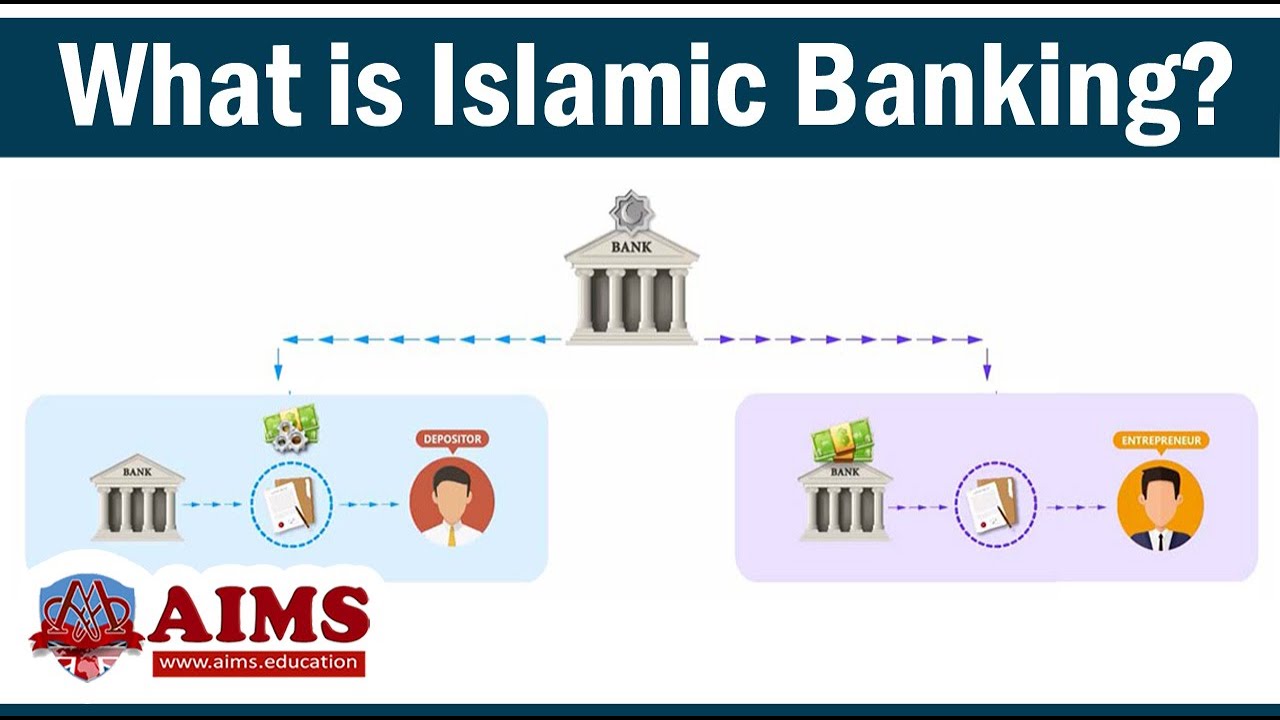
What is Islamic Banking System? & How Islamic Finance Work? AIMS UK

Prinsip-prinsip Dasar Bank Syariah • Perbankan Syariah #4
5.0 / 5 (0 votes)
