Protecting children from the harmful impact of food marketing in the Western Pacific
Summary
TLDRThe Western Pacific region faces a pervasive marketing of unhealthy foods to children, parents, and caregivers, which can lead to childhood obesity and non-communicable diseases. The WHO's Regional Action Framework offers a four-pillar approach with ten recommended actions to regulate food marketing, promote healthy diets, and protect children's health. By implementing these measures, we can change children's lives and secure a healthier future.
Takeaways
- 👶 Children, parents, and caregivers in the Western Pacific are frequently exposed to marketing of unhealthy foods and breast milk substitutes.
- 🏫 Schools are not immune; they are venues for sports sponsorships by the food industry and vending machines filled with unhealthy options.
- 🛒 Retail environments entice children with sugary snack promotions, and parents are misled by health claims on infant formula milk, undermining the benefits of breast milk.
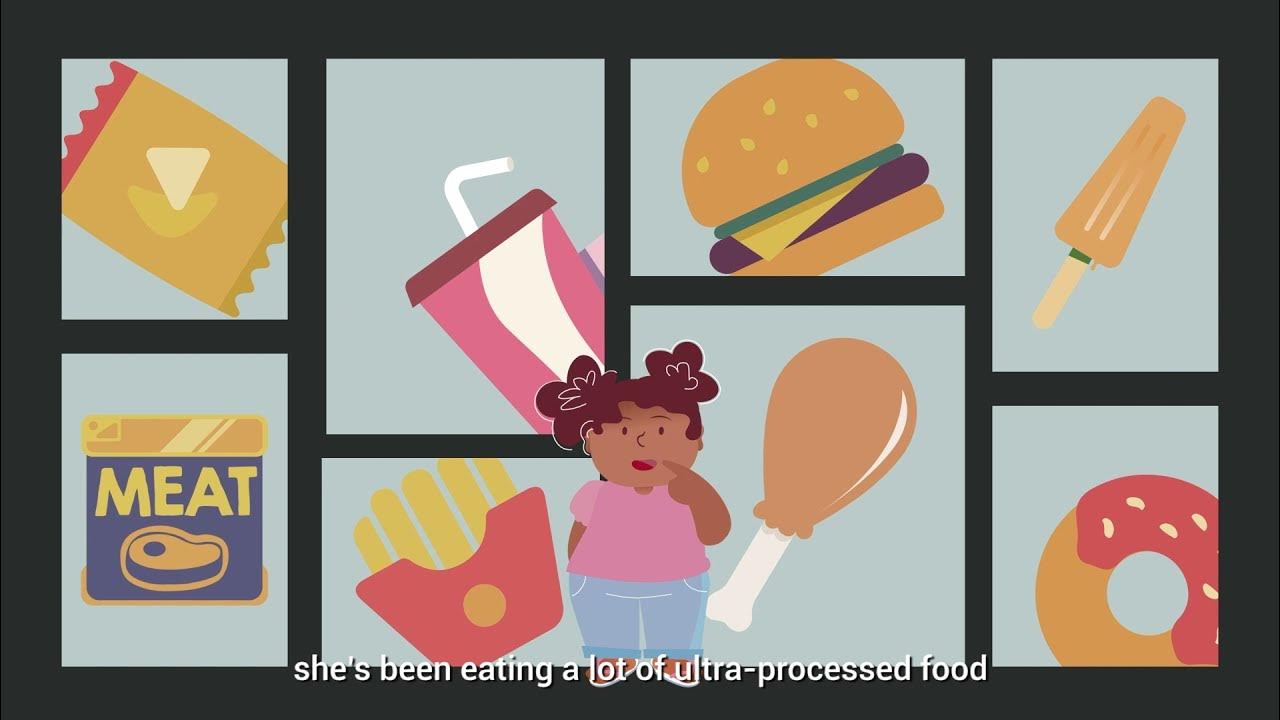
- 🍟 Fast food meals, promoted with collectible toys, are often requested by children, pressuring parents to indulge their demands.
- 🏠 At home, digital advertising through online games and social media continues to expose families to unhealthy food choices.
- 🍭 Marketing tactics use creative strategies like cartoon characters and fun activities to appeal to children and their caregivers.
- 🚫 Unregulated food marketing can lead to unhealthy diets and increase the risk of childhood obesity and diet-related diseases in adulthood.
- 🌟 The WHO Regional Action Framework provides a four-pillar approach with 10 recommended actions to protect children from the harmful impact of food marketing.
- 📺 Regulating broadcast media and billboards can promote healthy diets instead of unhealthy food options.
- 🏪 Supermarkets can play a role in supporting a healthy diet by offering premium incentives for healthier choices.
- 🤝 Collaboration between government leaders and stakeholders is crucial to address the harmful impacts of food marketing and safeguard the health of current and future generations.
Q & A
What are the main concerns regarding food marketing in the Western Pacific region?
-The main concerns are the repeated exposure of children, parents, and caregivers to marketing of unhealthy foods high in saturated fat, trans fatty acids, free sugars, and salt, as well as the promotion of breast milk substitutes.
How do billboards contribute to unhealthy diets among children?
-Billboards promote unhealthy diets by advertising foods that are high in unhealthy components like saturated fats, trans fatty acids, free sugars, and salt.
What role does the food industry play in schools in terms of marketing?
-The food industry sponsors sports and vending machines in schools, which sell unhealthy snacks and drinks, contributing to the promotion of unhealthy eating habits among children.
How do retail environments affect children's exposure to unhealthy food marketing?
-Retail environments entice children with promotions for sugary snacks, further exposing them to unhealthy food marketing.
Why are parents being deceived by health claims of infant formula milk?
-Parents are deceived because the health claims of infant formula milk undermine the benefits of breast milk, leading them to believe that formula is a healthy alternative.
What is the impact of fast food meals with collectible toys on children's eating habits?
-Fast food meals promoted with collectible toys pester children to demand such meals, potentially leading to unhealthy eating habits and contributing to childhood obesity.
How does digital advertising affect children's health at home?
-Digital advertising exposes children to unhealthy food promotions while they engage with online games or social media, using tactics like cartoon characters and fun activities to appeal to them.
What is the potential long-term health risk of unregulated food marketing to children?
-Unregulated food marketing can lead to unhealthy diets and increase the risks of childhood obesity and diet-related non-communicable diseases such as diabetes and hypertension in adulthood.
What is the WHO Regional Action Framework, and how does it aim to protect children from harmful food marketing?
-The WHO Regional Action Framework is a set of guidelines that includes four pillars with 10 recommended actions to regulate food marketing and promote healthy diets, aiming to protect children's health in the Western Pacific region.
What are the four pillars of the WHO Regional Action Framework?
-The four pillars are not explicitly mentioned in the script, but they generally aim to regulate media, promote healthy diets, regulate marketing in and around schools, and ensure supermarket premium offers support a healthy diet.
How can government leaders and stakeholders work together to address the impacts of food marketing on children's health?
-Government leaders and stakeholders can collaborate by implementing the recommended actions from the WHO Regional Action Framework, which includes regulating food marketing and promoting healthy eating habits among children.
Outlines

This section is available to paid users only. Please upgrade to access this part.
Upgrade NowMindmap

This section is available to paid users only. Please upgrade to access this part.
Upgrade NowKeywords

This section is available to paid users only. Please upgrade to access this part.
Upgrade NowHighlights

This section is available to paid users only. Please upgrade to access this part.
Upgrade NowTranscripts

This section is available to paid users only. Please upgrade to access this part.
Upgrade NowBrowse More Related Video
Addressing childhood obesity today to protect the health of future generations

Kebohongan Industri Makanan! Pelan-pelan Meracuni Kita? Sampai Bayar Ilmuwan! | Learning By Googling

HOW STRESS AFFECTS YOUR HEALTH

Consumer kids: Agnes Nairn at TEDxGhent

Transição demográfica, epidemiológica e nutricional

The REAL Reason Americans are Fat
5.0 / 5 (0 votes)
