10 container types + where to find them
Summary
TLDRThis video guides viewers through the 10 main types of shipping containers, explaining their unique features and ideal uses. From standard containers to specialized options like reefers, flat racks, and tank containers, it highlights how each type accommodates different cargo, sizes, and handling needs. Viewers also learn about innovative containers like pallet-wide and side-door options that simplify loading and unloading. The video concludes by introducing Container Xchange, an online platform for buying, selling, and leasing containers globally, making it easier to find the right container quickly while connecting with trusted business partners.
Takeaways
- 📦 There are numerous types of shipping containers, each designed for specific cargo needs, shapes, and sizes.
- 🏢 Standard containers are the most common, available in 20 or 40 feet, made of steel or aluminum, and are airtight and water-resistant.
- ❄️ Reefer containers are temperature-controlled, functioning like large refrigerators, suitable for perishable goods but require power and maintenance.
- 🚪 Double door containers have doors at both ends, making loading and unloading easier, ideal for vehicles and large items.
- 🌟 Open-top containers have no roof, ideal for irregular or oversized cargo, but cannot be stacked if cargo extends above roof level.
- 📏 Pallet wide containers are slightly wider than standard containers, allowing more Euro pallets to fit inside.
- 🛠️ Flat rack containers have only end walls, perfect for heavy or bulky cargo, but are more expensive due to stacking limitations.
- 🔑 Side door containers feature doors on the long side, facilitating easier access and loading of bulky items.
- 🧰 Hard top containers have a removable roof, making it easier to load cargo that is difficult to fit through side doors.
- 💧 Tank containers are designed to safely transport liquids using corrosion-resistant materials.
- 🌡️ Insulated containers maintain a stable internal temperature and prevent condensation, regardless of external conditions.
- 🌐 Container Xchange offers a platform to buy, sell, and lease containers globally, connecting users with vetted business partners.
Q & A
What are the standard containers and what variations do they have?
-Standard containers are the most common shipping containers, available in 20-feet or 40-feet lengths. Variations include high cubes, which offer extra vertical space, and half-height containers, which are half the height of standard containers.
What is the primary function of a reefer container?
-A reefer container acts as a large refrigerator, allowing control of internal temperature from –30 to 30 degrees Celsius, making it ideal for perishable goods. However, they require power and regular maintenance.
How does a double door container improve loading and unloading?
-Double door containers have doors at both ends, creating a tunnel that allows easier access to cargo. This design enables items like vehicles to be driven in and out without reversing.
When would an open-top container be preferred?
-Open-top containers are suitable for irregularly sized cargo, such as heavy machinery. They allow cargo to be loaded from the top using cranes and secured with lashing rings, though stacking may be limited if cargo exceeds roof height.
What is special about pallet wide containers compared to standard containers?
-Pallet wide containers are slightly wider than standard containers, allowing them to carry up to 15 Euro pallets instead of the average 11, making them ideal for palletized goods, especially in Europe.
Why are flat rack containers used for certain shipments?
-Flat rack containers have only short end walls and no roof, making them perfect for heavy, bulky, or oversized cargo that may not fit inside a closed container. Their limitation is that they cannot be stacked.
How do side door containers make loading more efficient?
-Side door containers have extra doors along the long side, allowing multiple workers to access cargo simultaneously and accommodating bulky items that cannot pass through end doors.
What is the purpose of a hard top container?
-Hard top containers have a detachable roof, facilitating the loading of cargo that is difficult to insert through side or end doors. This design adds flexibility for large or awkward items.
What types of cargo are tank containers designed for?
-Tank containers are designed specifically for transporting liquids. They are made of strong steel and anti-corrosive materials to prevent leaks and protect the liquid cargo.
How do insulated containers maintain internal conditions?
-Insulated containers maintain a consistent internal temperature regardless of external conditions. They are fully sealed with features like vacuum-sealed double walls to prevent condensation and moisture.
Outlines

Этот раздел доступен только подписчикам платных тарифов. Пожалуйста, перейдите на платный тариф для доступа.
Перейти на платный тарифMindmap

Этот раздел доступен только подписчикам платных тарифов. Пожалуйста, перейдите на платный тариф для доступа.
Перейти на платный тарифKeywords

Этот раздел доступен только подписчикам платных тарифов. Пожалуйста, перейдите на платный тариф для доступа.
Перейти на платный тарифHighlights

Этот раздел доступен только подписчикам платных тарифов. Пожалуйста, перейдите на платный тариф для доступа.
Перейти на платный тарифTranscripts

Этот раздел доступен только подписчикам платных тарифов. Пожалуйста, перейдите на платный тариф для доступа.
Перейти на платный тарифПосмотреть больше похожих видео

Introduction to a used 20ft shipping container

How A Container Ship Secures Containers - Design, Safety, Container Locating

Unitarización de la carga: Pallets y Contenedores.

Pesawat sederhana : katrol dan roda berporos
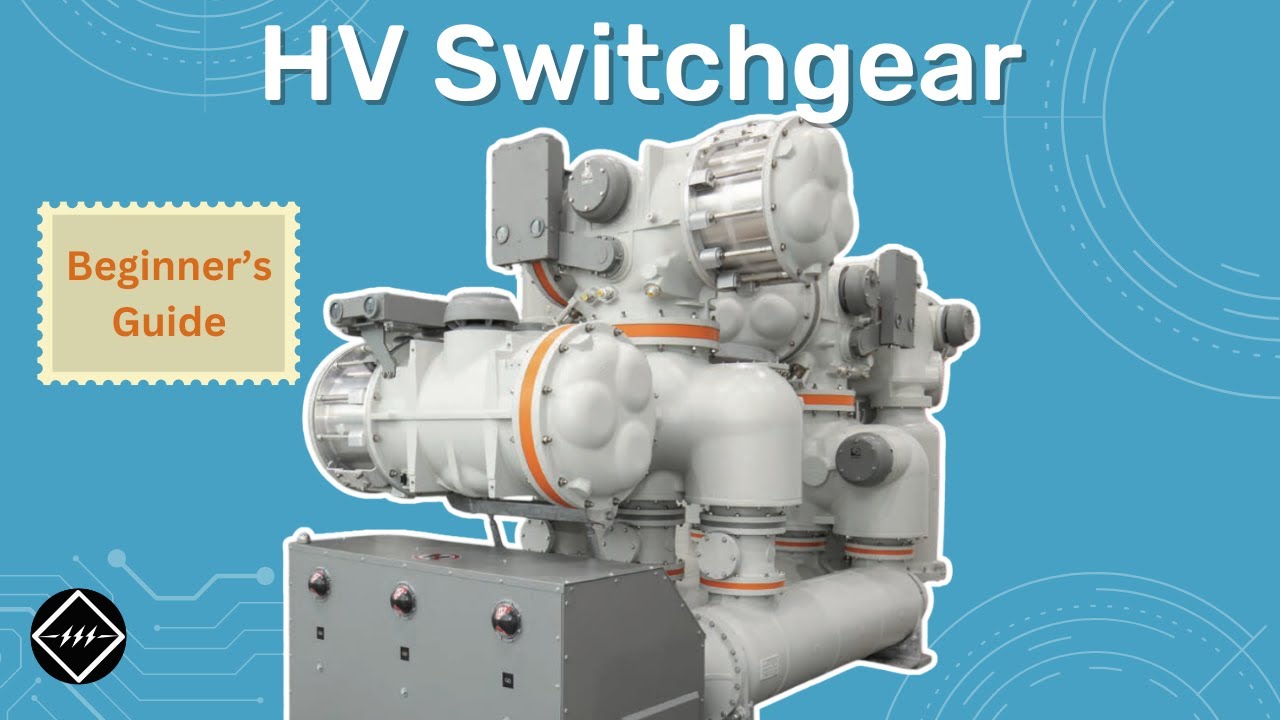
High Voltage Switchgear | An Introductory Guide | TheElectricalGuy

Jak wygląda transport aut z USA - rozładunek kontenerów w porcie Rotterdam
5.0 / 5 (0 votes)

