NUDC Final Round Part 3
Summary
TLDRThe transcript captures a passionate debate advocating for separatist movements in Eastern Indonesia, particularly Papua, against the Indonesian government. The speaker argues that peaceful and constructive engagement has consistently failed because Indonesia holds greater political legitimacy and suppresses Papuan voices both domestically and internationally. They claim autonomous regions have not improved inequality, poverty, or political representation. Instead, the speaker defends armed resistance and unified separatist action as the only way to increase bargaining power, expose human rights violations, and attract international attention. The speech frames the struggle as a fight against systemic oppression and colonial-style domination, drawing parallels with Indonesia’s own historical resistance against Dutch colonial rule.
Takeaways
- 📢 The speaker argues that discussions about Papuan independence remain confined to debate chambers and are ignored by Indonesian legislative and executive institutions.
- ⚖️ The speech claims that the Indonesian government neglects and disenfranchises Papuan people, particularly in eastern Indonesia.
- 🌍 The opposition criticizes the idea of peaceful constructive engagement, arguing that it fails because Indonesia holds greater political legitimacy and bargaining power.
- 🚫 The speaker accuses Indonesia of deliberately limiting Papua’s international exposure, including interference in Papua’s attempts to join Melanesian regional organizations.
- 💼 The argument suggests that only violent separatism can create economic and political pressure on Indonesia through threats to investors and strategic assets.
- 🏛️ The speech rejects regional autonomy as an effective solution, claiming that inequality and poverty in Papua persist despite autonomous governance structures.
- 📉 The speaker argues that eastern Indonesian regions remain among the poorest areas due to government negligence rather than lack of awareness.
- 🔥 The speech claims that Indonesian state violence against separatists already exists, so violent resistance would merely expose existing systemic repression.
- 🤝 The speaker advocates for uniting multiple eastern Indonesian provinces and ethnic groups into a coordinated separatist movement rather than isolated local uprisings.
- ⚔️ The argument asserts that armed struggle is the only realistic way to build enough force to challenge the Indonesian government.
- 📰 The speaker believes that a larger-scale conflict or civil war would attract international media attention and expose alleged human rights violations in Papua.
- 🌐 The speech argues that international discourse and intervention are more likely when violence escalates to a level the global community cannot ignore.
- 📚 Historical comparisons are made between Indonesian resistance against Dutch colonial rule and Papuan resistance against the Indonesian government.
- 💬 The speaker frames Papua and eastern Indonesia as being ‘colonized’ by Indonesia in a manner similar to past Dutch colonialism.
- 🎯 The overall conclusion of the speech is that violent separatist action is justified and necessary to achieve independence and improve the bargaining position of Papuan movements.
Q & A
What is the main argument presented by the opening opposition regarding engagement with Indonesia?
-The opening opposition argues that constructive engagement with Indonesia does not work because Papua has inherently weak bargaining power, and Indonesia deliberately excludes Papua from international narratives, making engagement ineffective without a threat or leverage.
Why does the speaker believe autonomous regions in Indonesia are insufficient for addressing Papuan grievances?
-Autonomous regions are seen as insufficient because they maintain inherent inequalities, and the Indonesian government neglects these regions, leaving Papua and Eastern Indonesia among the most impoverished areas despite local governance.
How does the speaker justify the use of violence in the separatist movement?
-Violence is justified as a means to elevate Papua’s bargaining power against Indonesia, creating a threat to Indonesian interests, investors, and benefits, which can force constructive engagement and international attention.
What historical comparison does the speaker make to support the argument for taking up arms?
-The speaker compares Papua's situation under Indonesia to colonial times under the Dutch, arguing that just as Eastern Indonesians resisted Dutch oppression with force, they should similarly resist Indonesian oppression to achieve their goals.
What examples does the speaker give of Indonesia excluding Papua from international organizations?
-The speaker cites the Melanesian Spearhead Group, where Indonesia intervened to prevent West Papua from joining as a member, granting Indonesia observer status instead to limit Papua's international exposure.
According to the transcript, why does constructive engagement only work under the threat of violence?
-Constructive engagement only works when Papua can create a credible threat to Indonesian interests, which elevates their bargaining position and compels Indonesia to respond seriously to their demands.
How does the speaker critique Indonesia's handling of budget and development in Papua?
-The speaker argues that the Indonesian government either claims insufficient budget or overpromises development projects like hospitals, which fail to deliver tangible benefits to Papuans, showing negligence rather than ignorance.
What is the speaker’s view on the international community’s attention to civil unrest in Papua?
-The speaker believes that sporadic movements and protests in Papua are often ignored internationally, but a large-scale, forceful civil uprising would draw global attention and expose systemic human rights violations.
Why does the speaker argue that uniting different provinces and ethnicities is important for the separatist movement?
-Uniting multiple provinces and ethnic groups under the separatist movement strengthens collective force, making it more difficult for the Indonesian government to suppress and increasing the movement's chances of success.
How does the speaker frame the Indonesian government’s actions toward Papua?
-The speaker frames Indonesia's actions as deliberately oppressive, hierarchical, and neglectful, designed to keep Papua disenfranchised, impoverished, and excluded from both national and international decision-making.
Outlines

Этот раздел доступен только подписчикам платных тарифов. Пожалуйста, перейдите на платный тариф для доступа.
Перейти на платный тарифMindmap

Этот раздел доступен только подписчикам платных тарифов. Пожалуйста, перейдите на платный тариф для доступа.
Перейти на платный тарифKeywords

Этот раздел доступен только подписчикам платных тарифов. Пожалуйста, перейдите на платный тариф для доступа.
Перейти на платный тарифHighlights

Этот раздел доступен только подписчикам платных тарифов. Пожалуйста, перейдите на платный тариф для доступа.
Перейти на платный тарифTranscripts

Этот раздел доступен только подписчикам платных тарифов. Пожалуйста, перейдите на платный тариф для доступа.
Перейти на платный тарифПосмотреть больше похожих видео

NUDC Final Round Part 2
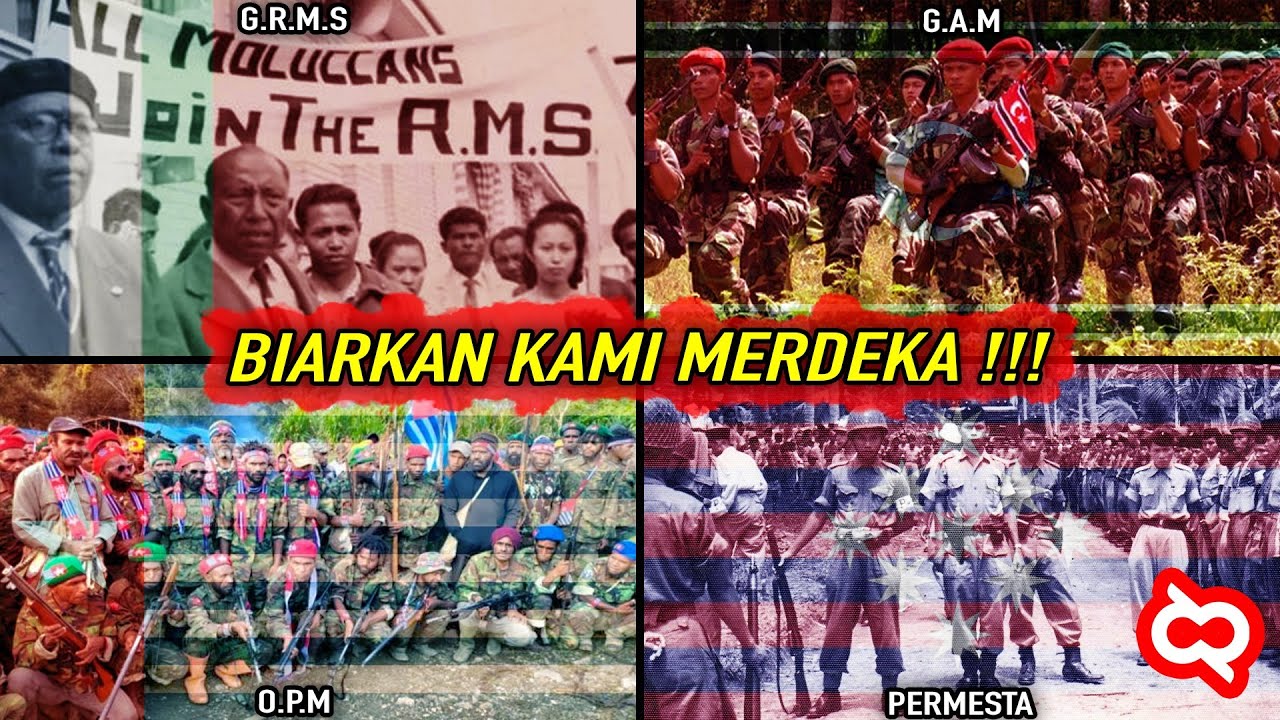
Separatist Movement Groups that Want Independence from Indonesia
Operasi Trikora: Konflik Perebutan Papua oleh Indonesia & Belanda

Intan Jaya,, 27 Mei 2025, Ribuan warga sipil megunsi 😭😭😭😭

Sejarah kelas XII - Upaya bangsa Indonesia dalam menghadapi ancaman disintegrasi

TPNPB Minta Hentikan Militerisasi Gereja dan sekolah di Papua#PapuaUnderSiege #MilitaryOutOfChurch
5.0 / 5 (0 votes)

