Explaining 1960s Hippie Style & Counterculture
Summary
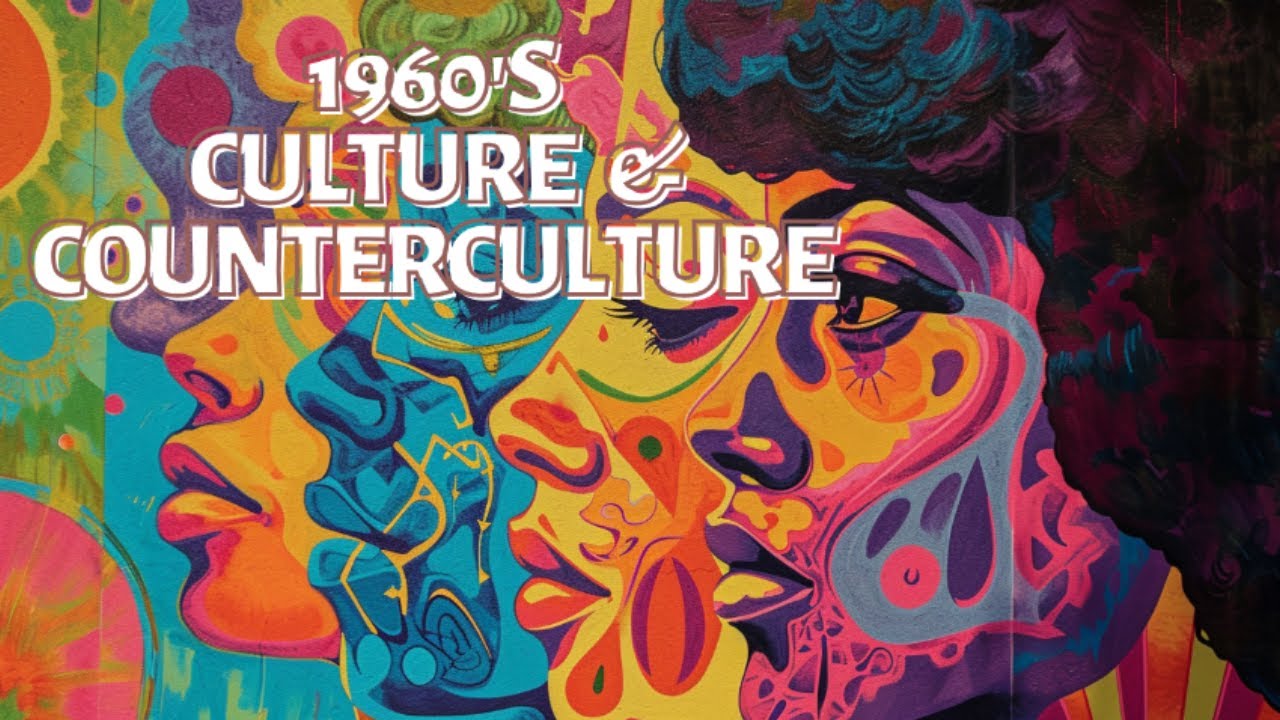
TLDRThis video explores the 1960s counterculture and the rise of the hippie movement, highlighting its history, beliefs, and iconic fashion. It delves into the movement's rejection of mainstream values, its anti-war activism, and the embrace of peace, love, and communal living. Key cultural figures like Janis Joplin, Jimi Hendrix, and The Beatles influenced music, style, and social consciousness. Festivals such as Monterey Pop and Woodstock showcased the era's vibrant expression, while hippie fashion and natural beauty reflected individuality and freedom. The video also examines the commercialization and decline of the movement, emphasizing its enduring legacy in fashion, social activism, and cultural inspiration.
Takeaways
- 🌸 The 1960s counterculture, led by the hippie movement, emphasized personal freedom, peace, love, and communal living as a rejection of mainstream societal norms.
- ✌️ Anti-war sentiment, particularly opposition to the Vietnam War, was a central driver of the counterculture, with young people actively protesting and advocating for peace.
- 🎵 Musicians, writers, and activists like Bob Dylan, Joan Baez, John Lennon, and Allen Ginsberg played pivotal roles in raising awareness and mobilizing support for social change.
- 👗 Hippie fashion reflected individuality, creativity, and nonconformity, featuring flowing garments, natural fibers, tie-dye, psychedelic patterns, and androgynous styles.
- 💄 Makeup and hairstyles emphasized natural beauty and self-expression, with women using earthy tones and men and women embracing long, flowing hair as symbols of rebellion.
- 🌟 Key style icons such as Janis Joplin, Jimi Hendrix, Grace Slick, and Twiggy inspired the fashion and ethos of the hippie movement.
- 🎤 Music festivals like the Monterey Pop Festival and Woodstock served as epicenters for hippie culture, uniting people through music, fashion, and communal experiences.
- 🚍 The Merry Pranksters embodied the spirit of experimentation and rebellion, spreading psychedelic culture and challenging societal norms through colorful costumes and LSD-fueled journeys.
- 🛍️ Commercialization of hippie fashion diluted its authenticity, transforming symbols of rebellion into mainstream consumer products, which contributed to the movement's decline.
- ⏳ By the early 1970s, the hippie movement largely faded due to commercialization, internal challenges, and social tensions, but its legacy of peace, love, and artistic freedom continues to inspire future generations.
Q & A
What was the central philosophy of the 1960s hippie movement?
-The central philosophy of the 1960s hippie movement emphasized personal freedom, peace, love, communal living, harmony with nature, artistic expression, and rejection of mainstream societal norms and materialism.
How did the Vietnam War influence the rise of the counterculture?
-The Vietnam War served as a catalyst for the counterculture, as widespread opposition to the war led young people to protest, advocate for peace, and adopt anti-war ideals. The draft and moral objections to the war motivated active participation in demonstrations and anti-war activism.
Which artists and writers played a key role in promoting anti-war sentiment?
-Musicians like Bob Dylan, Joan Baez, and John Lennon wrote protest songs, while writers such as Allen Ginsberg and Norman Mailer published essays and articles calling for peace and opposing the violence of the Vietnam War.
What were the defining features of hippie fashion?
-Hippie fashion featured loose, flowing garments made from natural fibers, vibrant colors, psychedelic patterns, and accessories such as jewelry, headbands, and scarves. Clothing and hairstyles were often androgynous, emphasizing individuality, creativity, and a connection to nature.
How did makeup and hairstyles reflect the values of the hippie movement?
-Hippie makeup favored natural earthy tones and minimal enhancement to reflect authenticity, while hairstyles embraced long, flowing, and unstructured hair, often adorned with flowers or beads, symbolizing freedom, rebellion, and connection to nature.
Who were some key cultural icons of the hippie era and what were they known for?
-Key icons included Janis Joplin, known for her eclectic Bohemian style and powerful voice; Jimi Hendrix, recognized for his flamboyant stage outfits and psychedelic fashion; Grace Slick, a symbol of adventurous and fearless femininity; and The Beatles, who inspired the movement through music advocating peace, love, and social change.
What role did music festivals like Monterey Pop and Woodstock play in the counterculture?
-Music festivals served as epicenters of counterculture expression, offering spaces for communal celebration, self-expression, and experimentation with fashion, music, and alternative lifestyles. They reinforced unity and identity among the hippie community.
Who were the Merry Pranksters and what did they contribute to the movement?
-The Merry Pranksters, led by Ken Kesey, were known for their psychedelic bus journeys, colorful costumes, and embrace of LSD. They promoted rebellion, experimentation, and expanded consciousness, becoming legendary figures within the 1960s counterculture.
How did commercialization affect the hippie movement?
-Commercialization diluted the authenticity of hippie culture by turning its fashion into mass-market products. Items like tie-dye shirts and bell-bottom jeans were sold widely, stripping the subversive edge and transforming countercultural ideals into mainstream consumer trends.
What factors contributed to the decline of the hippie movement in the early 1970s?
-The decline resulted from disillusionment with the Vietnam War, economic instability, urban violence, commercialization of hippie culture, failure of communal living experiments, and rising drug addiction and mental health issues among some members.
Which neighborhoods and locations became symbolic of the 1960s counterculture?
-Haight-Ashbury in San Francisco became an epicenter of the movement, known for its Bohemian lifestyle, artistic experimentation, and colorful fashion boutiques. Music festivals like Woodstock also became symbolic locations for countercultural expression.
What is the enduring legacy of the 1960s hippie movement today?
-The movement's ideals of peace, love, individuality, freedom, and social activism continue to influence Bohemian and festival fashion, music, art, and activism. Its symbols and values inspire generations of dreamers and idealists, reflecting the lasting cultural impact of the 1960s counterculture.
Outlines

Этот раздел доступен только подписчикам платных тарифов. Пожалуйста, перейдите на платный тариф для доступа.
Перейти на платный тарифMindmap

Этот раздел доступен только подписчикам платных тарифов. Пожалуйста, перейдите на платный тариф для доступа.
Перейти на платный тарифKeywords

Этот раздел доступен только подписчикам платных тарифов. Пожалуйста, перейдите на платный тариф для доступа.
Перейти на платный тарифHighlights

Этот раздел доступен только подписчикам платных тарифов. Пожалуйста, перейдите на платный тариф для доступа.
Перейти на платный тарифTranscripts

Этот раздел доступен только подписчикам платных тарифов. Пожалуйста, перейдите на платный тариф для доступа.
Перейти на платный тарифПосмотреть больше похожих видео




5.0 / 5 (0 votes)

