LAHIRNYA MASA ORDE BARU 1965-1967 | SEJARAH INDONESIA KELAS 12
Summary
TLDRThe video explores Indonesia's turbulent transition from the Guided Democracy era under President Soekarno to the New Order led by Soeharto between 1965 and 1967. It details the economic crisis marked by hyperinflation, political instability following the G30S coup, and the rise of student-led movements demanding reform. The narrative highlights key events such as the issuance of the Supersemar, the dismantling of the PKI, and the formation of Soeharto's Ampera Cabinet. It concludes with the consolidation of Soeharto’s power, the gradual sidelining of Soekarno, and the establishment of the New Order, emphasizing the political, military, and economic shifts that reshaped Indonesia’s history.
Takeaways
- 📉 In 1965, Indonesia faced a severe economic crisis with hyperinflation reaching 650%, skyrocketing prices, and a collapsing Rupiah, causing widespread hardship.
- ⚔️ The political situation was destabilized by the G30S PKI event, which led to the deaths of several army generals and triggered nationwide violence against suspected PKI members and sympathizers.
- 👤 Soeharto emerged as a key military and political figure due to his strategic skills, strong connections with military officers, and growing influence over the national stage.
- 🆕 The era of 'Orde Baru' (New Order) began, replacing Sukarno's 'Orde Lama' (Old Order), with an emphasis on upholding Pancasila and the 1945 Constitution.
- 📜 Tritura (Three People's Demands) was initiated by students and youth in January 1966, calling for the dissolution of PKI, cabinet reform, and lower prices for basic goods.
- ✉️ The Supersemar (11 March 1966 Order) granted Soeharto full authority to restore order, forming the basis for the transition to the New Order and the suppression of PKI.
- 🏛️ Soeharto quickly acted on Supersemar, banning PKI, arresting ministers associated with it, and gradually taking control of government functions while Sukarno's influence waned.
- 🌐 The New Order pursued a pragmatic foreign policy, including severing ties with China, rejoining the UN, collaborating with IMF, and ending confrontation with Malaysia to regain international support.
- 🪧 Political restructuring included reorganizing pro-Sukarno factions, replacing leaders in PNI, and consolidating support for Soeharto, leading to dualism in national leadership with Soeharto as de facto head of government.
- ⚖️ Sukarno's authority ultimately ended after the MPRS special session in March 1967, officially transferring power to Soeharto and placing Sukarno under house arrest until his death in 1970.
- 💼 The New Order government implemented the Catur Karya program focusing on public welfare, scheduled elections, active and independent foreign policy, and continuing anti-imperialism efforts.
Q & A
What economic conditions in Indonesia preceded the transition to the New Order in 1965?
-Indonesia faced a severe economic crisis in 1965, characterized by hyperinflation of 650%, skyrocketing prices of 300–400%, and the Rupiah exchange rate plummeting to 1,650 per US dollar in the third quarter, reaching its worst at 50,000 per dollar in the fourth quarter.
What was the G30S PKI event and what were its political consequences?
-The G30S PKI event in September 1965 involved the assassination of several high-ranking Army generals by the PKI. It led to widespread political chaos, a loss of public trust in President Sukarno, and violent purges targeting PKI members and sympathizers across Indonesia.
Who emerged as the key political figure during the 1965–1966 crisis, and why?
-Soeharto emerged as a key figure due to his military position, political skill, and strategic connections with both military officers and influential businesspeople. He leveraged the chaos following G30S PKI to gain authority and consolidate power.
What is the Supersemar, and why is it significant?
-Supersemar (Surat Perintah 11 Maret) was a controversial decree issued by Sukarno granting Soeharto authority to restore order and govern. It became the legal basis for Soeharto's rise to power and the establishment of the New Order.
What were the main demands of Tritura, the Tri Tuntutan Rakyat movement?
-Tritura demanded the dissolution of the PKI and its organizations, the removal of PKI-affiliated ministers from the cabinet, and the reduction of essential goods prices. It was driven by student and youth movements.
How did dual leadership operate during the early New Order period?
-During dual leadership, Sukarno remained president (head of state), while Soeharto, empowered by Supersemar, took over executive functions as acting head of government. This created a transitional period where formal power and actual power were separate.
What role did the MPRS play in legitimizing Soeharto's authority?
-The MPRS issued decrees, including TAP MPRS No. 9 and 13, which validated Supersemar and allowed Soeharto to form the Ampera Cabinet. TAP MPRS No. 25 outlawed the PKI and communism, solidifying the New Order's legal and political foundation.
How did Soeharto restructure Indonesia's foreign policy in the early New Order?
-Soeharto reversed Sukarno's confrontational policies, severed relations with China, ended the Jakarta Confrontation policy, rejoined the United Nations, reopened ties with the IMF, and sought Western economic aid to stabilize Indonesia's economy.
What was the impact of the military's reorganization on Sukarno's remaining supporters?
-Soeharto's reorganization reduced the influence of pro-Sukarno elements in the military, appointed loyal officials to key positions, and effectively neutralized potential resistance to the New Order, ensuring control over both military and civilian institutions.
How did the 1967 MPRS special session affect Sukarno?
-The March 1967 MPRS session stripped Sukarno of all state powers, leaving him a powerless president. He was confined to Istana Bogor under supervision until his death in 1970, marking the formal end of the Old Order.
Why was the Ampera Cabinet important for the New Order?
-The Ampera Cabinet, formed by Soeharto after Supersemar, focused on stabilizing politics and the economy. It implemented the Catur Karya program, which included improving citizens' welfare, preparing for elections, pursuing an independent foreign policy, and continuing anti-imperialist initiatives.
What was the significance of TAP MPRS No. 25 in Indonesian history?
-TAP MPRS No. 25 banned the PKI and its affiliated organizations and prohibited communism in Indonesia. It legally justified the purges against communists and established ideological foundations for the New Order regime.
Outlines

Этот раздел доступен только подписчикам платных тарифов. Пожалуйста, перейдите на платный тариф для доступа.
Перейти на платный тарифMindmap

Этот раздел доступен только подписчикам платных тарифов. Пожалуйста, перейдите на платный тариф для доступа.
Перейти на платный тарифKeywords

Этот раздел доступен только подписчикам платных тарифов. Пожалуйста, перейдите на платный тариф для доступа.
Перейти на платный тарифHighlights

Этот раздел доступен только подписчикам платных тарифов. Пожалуйста, перейдите на платный тариф для доступа.
Перейти на платный тарифTranscripts

Этот раздел доступен только подписчикам платных тарифов. Пожалуйста, перейдите на платный тариф для доступа.
Перейти на платный тарифПосмотреть больше похожих видео

Sejarah orde lama pada masa Pemerintahan Soekarno

DUALISME KEPEMIMPINAN SOEKARNO DAN SOEHARTO
Dinamika Penerapan Demokrasi Pancasila - PPKn Kelas 11
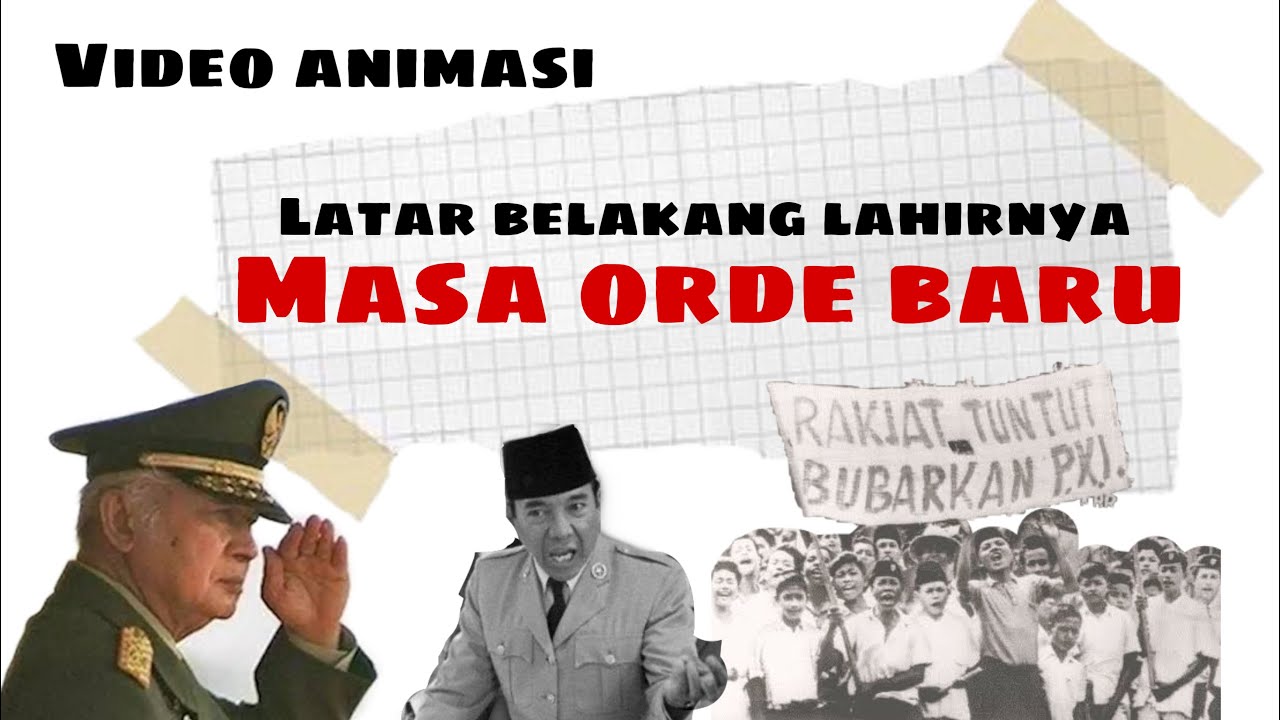
INDONESIA MENUJU MASA ORDE BARU | Sejarah Indonesia
IPS class 8 Chapter 4 Economic life during the independence period IPS summary
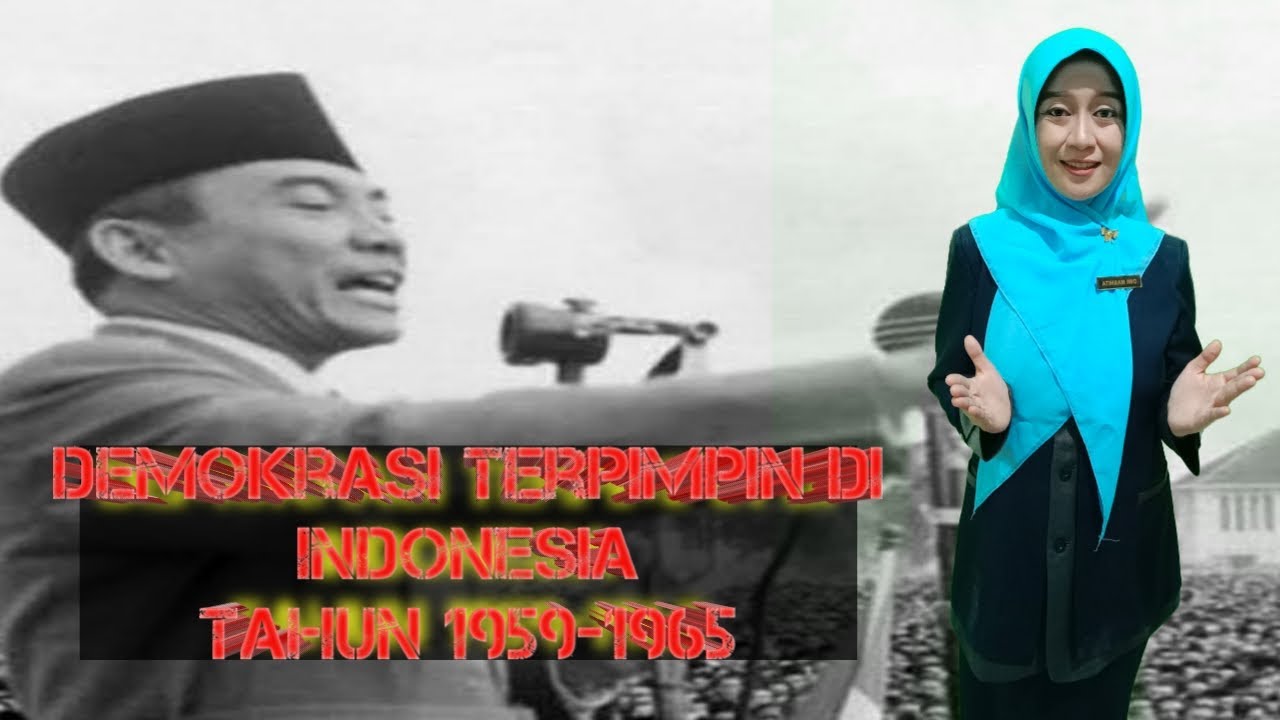
Demokrasi Terpimpin di Indonesia Tahun 1959-1965
5.0 / 5 (0 votes)

