HCTA Food Defence
Summary
TLDRThis video emphasizes the critical role everyone plays in protecting the food supply from intentional and unintentional contamination. It outlines chemical, biological, and nuclear threats, detailing how they can harm people, livestock, and crops. The video guides food establishments through risk assessment, identifying vulnerable areas, and evaluating management practices. It stresses creating a comprehensive food defense plan that includes prevention, response, and recovery strategies. Proper training, testing, and ongoing vigilance are highlighted as essential for ensuring food safety. Ultimately, it empowers staff and management to proactively prepare, respond, and safeguard their operations against potential threats.
Takeaways
- 😀 Understanding terrorism: Terrorism in the food service context includes intentional acts of contamination, such as chemical, biological, and nuclear threats.
- 😀 Chemical threats: These involve toxic substances that can harm people, livestock, or crops, often hard to detect and can spread through inhalation, ingestion, or skin contact.
- 😀 Biological threats: Infectious microbes or toxins that can cause rapid disease outbreaks, spreading quickly and often misidentified as foodborne illnesses.
- 😀 Nuclear threats: Though unlikely, nuclear attacks can disrupt food systems, prompting efforts from the government to protect against them.
- 😀 Importance of food defense plans: Every food business should have a plan that includes prevention, response, and recovery strategies to address intentional contamination.
- 😀 Risk assessment: Identifying vulnerable areas like loading docks, bathrooms, and water supply to assess and mitigate potential contamination risks.
- 😀 Employee training: Staff should be trained to recognize and respond to potential threats, with employees acting as additional eyes and ears to detect suspicious activities.
- 😀 Emergency contacts: Businesses must maintain a list of 24-hour emergency contacts, including local law enforcement, fire departments, and health agencies, to respond quickly to any incident.
- 😀 Vulnerability in non-public areas: Areas such as loading docks, restrooms, and employee entrances are often overlooked but are critical spots to secure against unauthorized access.
- 😀 Water supply security: Whether on a municipal system or private well, securing water lines and ensuring proper backflow prevention is essential to prevent contamination.
- 😀 Role of management: The management team, including various departments (security, quality assurance, IT, etc.), must be involved in formulating and testing the food defense plan.
Q & A
What is the definition of terrorism in the context of food safety?
-Terrorism is defined as the use of force or violence against persons or property, violating criminal laws, with the purpose of intimidation, coercion, or ransom. In food safety, it can involve intentional contamination of food to harm people or disrupt systems.
Why is protecting the food supply considered everyone's responsibility?
-Protection against contamination is not only the responsibility of authorities but also involves all stakeholders from farm to table, including producers, distributors, and food service personnel, to prevent both intentional and unintentional threats.
What are the three main types of intentional threats to food?
-The three main types of intentional threats are chemical, biological, and nuclear threats, each posing unique risks to food safety and public health.
What are examples of chemical agents that could contaminate food?
-Chemical agents include toxic organic compounds, industrial chemicals, pesticides, heavy metal-containing compounds, and microbial or plant toxins. They can spread through ingestion, inhalation, or skin and eye contact.
Why are biological threats particularly concerning for the food industry?
-Biological threats, such as infectious microbes or microbial toxins, are highly contagious and can spread rapidly, potentially affecting people who were not directly exposed. Symptoms resemble common foodborne illnesses, making detection and timely reporting crucial.
How likely is a nuclear attack on the food supply, and what measures are in place?
-A nuclear attack on the food supply is considered very unlikely, but government agencies actively monitor for potential threats through intelligence and early detection to mitigate any possible impact.
What are some key steps in assessing risks in a food facility?
-Risk assessment includes identifying vulnerable areas like loading docks, storage rooms, and poorly lit spaces; securing water supplies; reviewing management practices; and ensuring staff are trained to observe and report suspicious activity.
What is the role of staff in food defense?
-Staff act as extra eyes and ears by monitoring for suspicious activity, ensuring proper procedures are followed, and reporting potential threats. Training employees increases overall vigilance and reduces the likelihood of intentional contamination.
What are the three components of a comprehensive food defense plan?
-A food defense plan should include prevention strategies, response plans for incidents, and recovery procedures to restore operations after an event.
Why is testing and training essential before an actual food security incident occurs?
-Testing and training ensure that the food defense plan works effectively under crisis conditions. Preparing in advance allows staff to respond efficiently and reduces the risk of errors during an actual threat.
Who should be involved in creating a food defense plan?
-The planning team depends on facility size. Small operations may involve management, chefs, and servers, while larger organizations include CEOs, COOs, QA professionals, security, IT, finance, and transportation officials to cover all aspects of risk management.
What are some examples of management practices that can reduce vulnerability to contamination?
-Effective practices include training staff on shipment acceptance, supervising high-risk areas, controlling access for contractors like cleaning and pest control crews, pairing employees to reduce individual risk, and documenting potential weak spots in the facility.
Outlines

Этот раздел доступен только подписчикам платных тарифов. Пожалуйста, перейдите на платный тариф для доступа.
Перейти на платный тарифMindmap

Этот раздел доступен только подписчикам платных тарифов. Пожалуйста, перейдите на платный тариф для доступа.
Перейти на платный тарифKeywords

Этот раздел доступен только подписчикам платных тарифов. Пожалуйста, перейдите на платный тариф для доступа.
Перейти на платный тарифHighlights

Этот раздел доступен только подписчикам платных тарифов. Пожалуйста, перейдите на платный тариф для доступа.
Перейти на платный тарифTranscripts

Этот раздел доступен только подписчикам платных тарифов. Пожалуйста, перейдите на платный тариф для доступа.
Перейти на платный тарифПосмотреть больше похожих видео

Employees are the FIRST Line of Food Defense (English)

Food Handler Training Course: Part 1

Personnel Practices: Good Manufacturing Practices (GMPs) in Food Industry │ Food Safety
Proper Cleaning Training for Food Service Environments
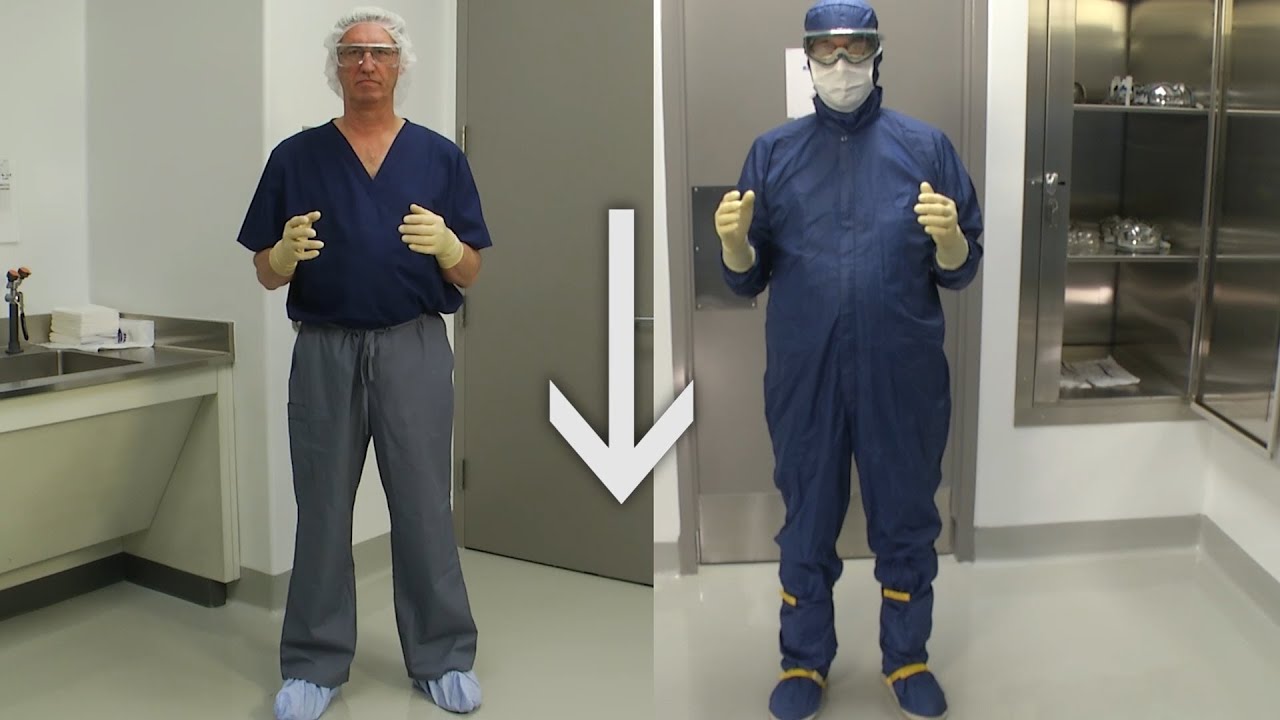
Aseptic Gowning for the Cleanroom

Food Handling Safety Training from SafetyVideos.com
5.0 / 5 (0 votes)

