AROUND THE AP WORLD DAY 76: DAR AL-ISLAM
Summary
TLDRThe video explores the intellectual and cultural contributions of Dar al-Islam (the House of Islam) during the post-classical period. It highlights the impact of Islamic civilizations in preserving and advancing knowledge from ancient cultures like Greece, Rome, China, and India. Key topics include the rise of Turkish empires like the Mamluks and Ottomans, Sufism, innovations in math, literature, and medicine, and the significance of polymaths such as Al-Razi and Ibn Sina. The video also touches on the literary contributions of figures like Aisha al-Bauniyah and Rumi, emphasizing Dar al-Islam’s crucial role in intellectual transfers.
Takeaways
- 😀 Dar al-Islam refers to regions where Muslims can practice their beliefs freely, with the Islamic world having been a key holder of ancient knowledge from civilizations like Greece, Rome, India, and China.
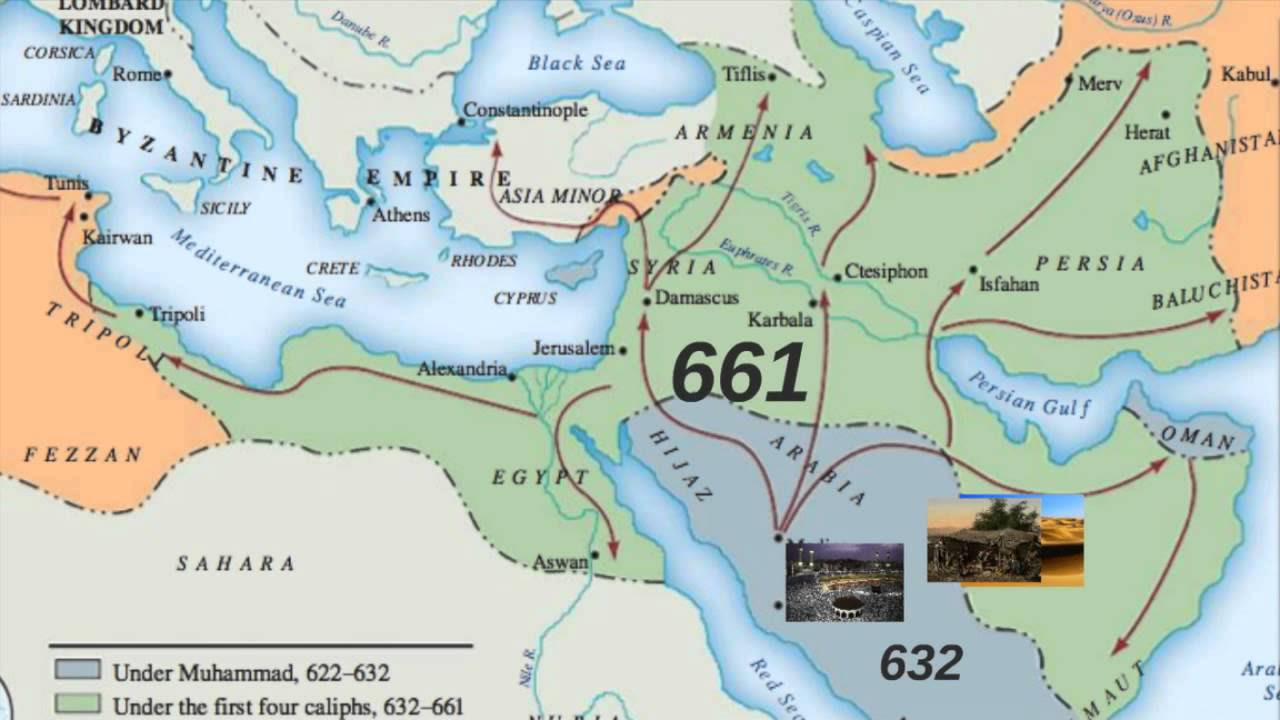
- 😀 By 1200, many caliphates were in decline, and new Islamic states emerged, including the Mamluks in Egypt, the Seljuks in the Middle East, the Ottomans in Anatolia, and the Delhi Sultanate in India.
- 😀 Ibn Battuta, a famous world traveler, explored these regions, although he primarily traveled between Sufi schools and houses, showcasing the importance of Sufism in Islam.
- 😀 Sufism, a mystic form of Islam, focuses on developing a personal relationship with Allah and will be covered more in-depth later in the script.
- 😀 The College Board's focus on intellectual innovations highlights the contributions of Dar al-Islam in fields like math, literature, medicine, and knowledge transfer.
- 😀 Mathematics, especially algebra and trigonometry, was heavily influenced by Dar al-Islam, with these advancements shaping the foundation of modern mathematics.
- 😀 Aisha al-Baniyah is the most notable female Islamic writer before the 20th century, with her Sufi poetry standing out for its impact on Islamic literature.
- 😀 Rumi, another important figure in Islamic literature, is the best-selling poet in the United States, showing the lasting influence of Dar al-Islam's literary contributions.
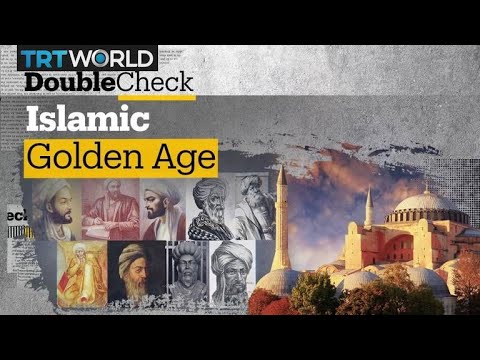
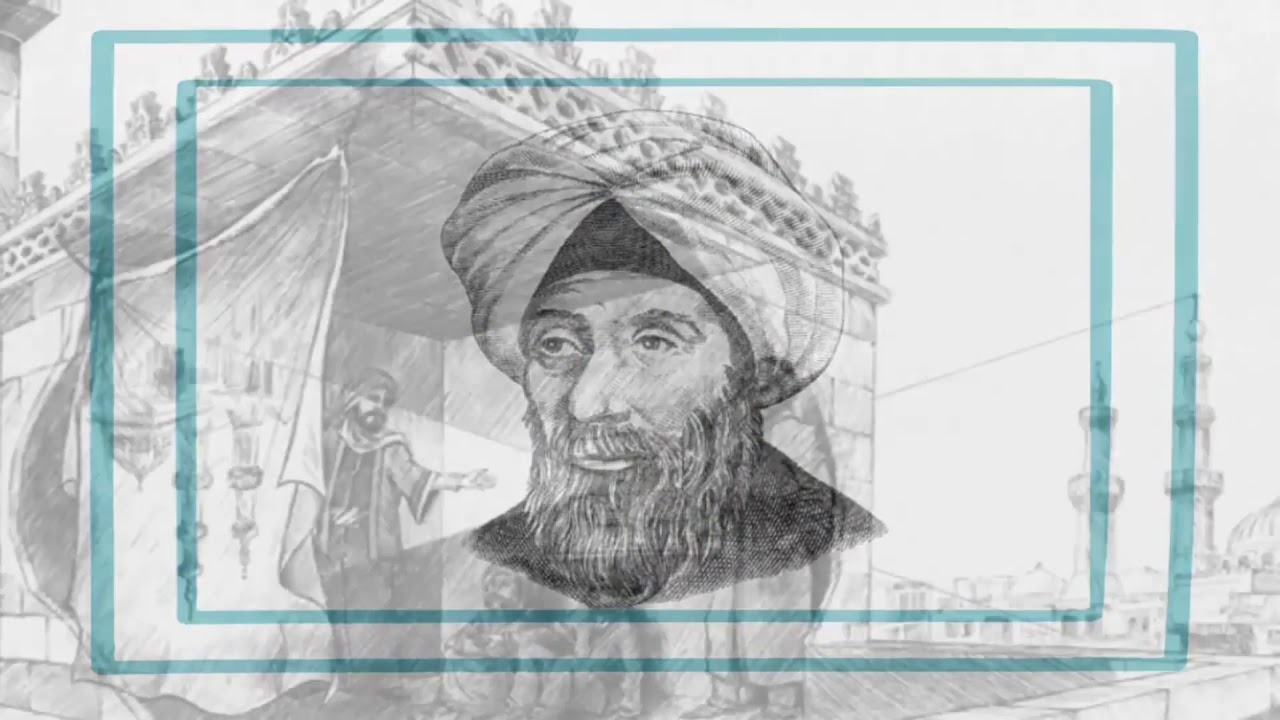
- 😀 In medicine, polymaths like al-Razi and Ibn Sina made groundbreaking contributions to understanding disease, anatomy, and medical treatment, which still influence modern medicine.
- 😀 Dar al-Islam preserved and transmitted ancient Greek and Roman knowledge, with places like the House of Wisdom in Baghdad, the libraries of Timbuktu, Cairo, and Delhi playing key roles in knowledge transfer.
Q & A
What does the term 'Dar al-Islam' mean?
-Dar al-Islam means 'House of Islam' and refers to regions where Muslims rule and can freely practice their religion.
What was happening to the early Islamic caliphates around 1200 CE?
-By 1200 CE, the early Islamic caliphates were largely declining or had disappeared, giving rise to new Islamic states.
Which groups played a major role in forming new Islamic empires after the decline of the caliphates?
-Turkic groups from Central Asia played a major role in forming new Islamic empires.
What were some of the major Islamic states during this period?
-Major Islamic states included the Mamluks in Egypt, the Seljuks in the Middle East, the early Ottoman Empire in Anatolia, and the Delhi Sultanate in India.
Who was Ibn Battuta and what did his travels reveal?
-Ibn Battuta was a Muslim traveler who journeyed extensively across Dar al-Islam, revealing strong cultural and religious connections across these regions.
What is Sufism and how does it differ from other forms of Islam?
-Sufism is a mystical form of Islam that emphasizes a personal and spiritual relationship with Allah rather than strictly formal practices.
What were some key mathematical contributions from Dar al-Islam?
-Key mathematical contributions included the development and advancement of algebra and trigonometry.
Who was Aisha al-Ba'uniyya and why is she significant?
-Aisha al-Ba'uniyya was a highly prolific female Islamic writer known for her Sufi poetry and is one of the most important female literary figures before the 20th century.
Why is the poet Rumi still important today?
-Rumi is important because his Sufi poetry remains widely read and he is one of the best-selling poets in the United States today.
What contributions did Islamic scholars make to medicine?
-Scholars like Al-Razi and Ibn Sina made major contributions to understanding disease, anatomy, and medical practices, influencing medicine for centuries.
How did Dar al-Islam contribute to the preservation of knowledge?
-Dar al-Islam preserved and built upon knowledge from ancient civilizations like Greece, Rome, India, and China, acting as caretakers of global knowledge.
What were some important centers of learning in Dar al-Islam?
-Important centers of learning included the House of Wisdom in Baghdad and major libraries in cities like Timbuktu, Cairo, and Delhi.
Outlines

Этот раздел доступен только подписчикам платных тарифов. Пожалуйста, перейдите на платный тариф для доступа.
Перейти на платный тарифMindmap

Этот раздел доступен только подписчикам платных тарифов. Пожалуйста, перейдите на платный тариф для доступа.
Перейти на платный тарифKeywords

Этот раздел доступен только подписчикам платных тарифов. Пожалуйста, перейдите на платный тариф для доступа.
Перейти на платный тарифHighlights

Этот раздел доступен только подписчикам платных тарифов. Пожалуйста, перейдите на платный тариф для доступа.
Перейти на платный тарифTranscripts

Этот раздел доступен только подписчикам платных тарифов. Пожалуйста, перейдите на платный тариф для доступа.
Перейти на платный тарифПосмотреть больше похожих видео


5.0 / 5 (0 votes)

