Donna Haraway / Speculative Fabulation
Summary
TLDRIn this transcript, the speaker delves into the concept of 'speculative fabulation,' distinguishing it from traditional English interpretations of speculative narrative. They emphasize the importance of storytelling beyond professional writers, incorporating everyday narratives, such as those told by parents or artists like Ursula K. Le Guin. The speaker reflects on their role as a scholar and fabulator, stressing that speculative fabulation can coexist with science and truth, and challenging the dichotomy between 'fact' and 'fiction.' The speaker's perspective invites a reconsideration of how narratives shape knowledge and culture.
Takeaways
- 😀 Speculative fabulation, in French, translates to 'speculative fabulation' in English, but the connotations differ due to the limited scope of the term 'narrative' in English.
- 😀 The term 'speculative narrative' in English has been influenced by literary theory and is already associated with a specific critical tradition, which the speaker does not prefer.
- 😀 The speaker distinguishes between speculative fabulation as a broader, more inclusive practice tied to everyday storytelling, not just professional writing.
- 😀 Everyday storytelling practices, like those of parents telling stories to children or personal narratives shared with reporters, are central to the speaker's view of speculative fabulation.
- 😀 Speculative fabulation is rooted in the tradition of fables, where 'wild facts' or imaginative elements that do not conform to reality can coexist.
- 😀 The world of speculative fabulation often features animals, creatures, and impossible worlds, blending fantasy, imagination, and sometimes adults in serious speculative settings.
- 😀 The speaker mentions Ursula K. Le Guin's work as an example of speculative fabulation, which merges science fiction, speculative feminism, and fantasy.
- 😀 Speculative fabulation is portrayed as an important intellectual tool in the speaker's own work, forming the basis for critical scholarship.
- 😀 The speaker values fact and truth, particularly in scientific discourse, and supports the teaching of evolutionary theory over alternative theories like intelligent design.
- 😀 While some biologists may reject the blending of speculative fabulation with science, the speaker advocates for taking both speculative fabulation and science seriously together.
Q & A
What does the speaker mean by 'speculative fabulation'?
-The speaker defines 'speculative fabulation' as a form of storytelling that blends imagination with everyday narrative practices. It involves creating fables that include wild facts, impossible worlds, creatures, and a mixture of serious and fantastical elements. It is distinct from formal literary theory and is closely tied to how stories are told in real life by various people.
Why does the speaker prefer the term 'speculative fabulation' over 'speculative narrative'?
-The speaker prefers 'speculative fabulation' because 'speculative narrative' in English is already associated with a specific branch of literary critical theory that the speaker does not fully embrace. 'Speculative fabulation' emphasizes imaginative, everyday storytelling rather than academic or theoretical frameworks.
How does the speaker connect speculative fabulation to everyday storytelling?
-The speaker connects it to everyday storytelling by highlighting how non-professional writers, parents, and storytellers of personal or fictional stories engage in fabulation. This includes the ways people tell stories to children, recount life events, or create imaginative worlds, showing that fabulation is a broad and inclusive practice.
What are 'wild facts' according to the speaker?
-'Wild facts' are facts that are not fixed or stable; they do not hold still. They exist in the realm of fables, blending with imagination and speculative storytelling to create narratives that are not strictly bound by empirical reality.
How does speculative fabulation relate to science fiction (SF)?
-Speculative fabulation is closely tied to science fiction and fantasy. The speaker considers SF as a critical point of inspiration and eruption for their work. SF serves as a medium where imaginative storytelling, speculative ideas, and serious narrative content intersect.
What role does the speaker believe science and fact play in speculative fabulation?
-The speaker believes that fact and truth are important even within speculative fabulation. They stress that fabulation is not about lying but about taking imaginative storytelling seriously while engaging with reality, scientific principles, and social responsibility.
Why does the speaker mention evolutionary theory and intelligent design?
-The speaker uses this example to illustrate the importance of factual accuracy in certain contexts. Teaching evolutionary theory is seen as a moral and educational responsibility, while speculative fabulation can coexist with scientific facts without contradicting them.
How does the speaker view the relationship between professional scholarship and fabulation?
-The speaker sees their professional work as a scholar as inherently linked to fabulation. They practice scholarship through imaginative storytelling, suggesting that rigorous academic work and creative narrative practices are not mutually exclusive.
What kinds of characters and worlds appear in speculative fabulation?
-Speculative fabulation often includes children, animals, imaginary creatures, and impossible worlds. It merges fantastical elements with serious narrative content, creating a space where both everyday life and imaginative invention coexist.
Why might some scientists find speculative fabulation challenging?
-Some scientists may find speculative fabulation challenging because it blends imaginative storytelling with factual content, which can appear to undermine the strict separation between fiction and science. The speaker emphasizes that this blending is deliberate and meaningful rather than misleading.
How does the speaker justify taking speculative fabulation seriously?
-The speaker justifies it by arguing that speculative fabulation is a legitimate form of narrative that engages both imagination and reality. By treating it seriously, one can explore new ways of thinking, understanding, and teaching without abandoning facts or scholarly rigor.
Outlines

Этот раздел доступен только подписчикам платных тарифов. Пожалуйста, перейдите на платный тариф для доступа.
Перейти на платный тарифMindmap

Этот раздел доступен только подписчикам платных тарифов. Пожалуйста, перейдите на платный тариф для доступа.
Перейти на платный тарифKeywords

Этот раздел доступен только подписчикам платных тарифов. Пожалуйста, перейдите на платный тариф для доступа.
Перейти на платный тарифHighlights

Этот раздел доступен только подписчикам платных тарифов. Пожалуйста, перейдите на платный тариф для доступа.
Перейти на платный тарифTranscripts

Этот раздел доступен только подписчикам платных тарифов. Пожалуйста, перейдите на платный тариф для доступа.
Перейти на платный тарифПосмотреть больше похожих видео

Alienígenas no passado? | Nerdologia

Bertrand Russell - Mankind's Future & Philosophy

Madras Slang History | Avatar Live | Chennai Slang | History Time with V.Sriram
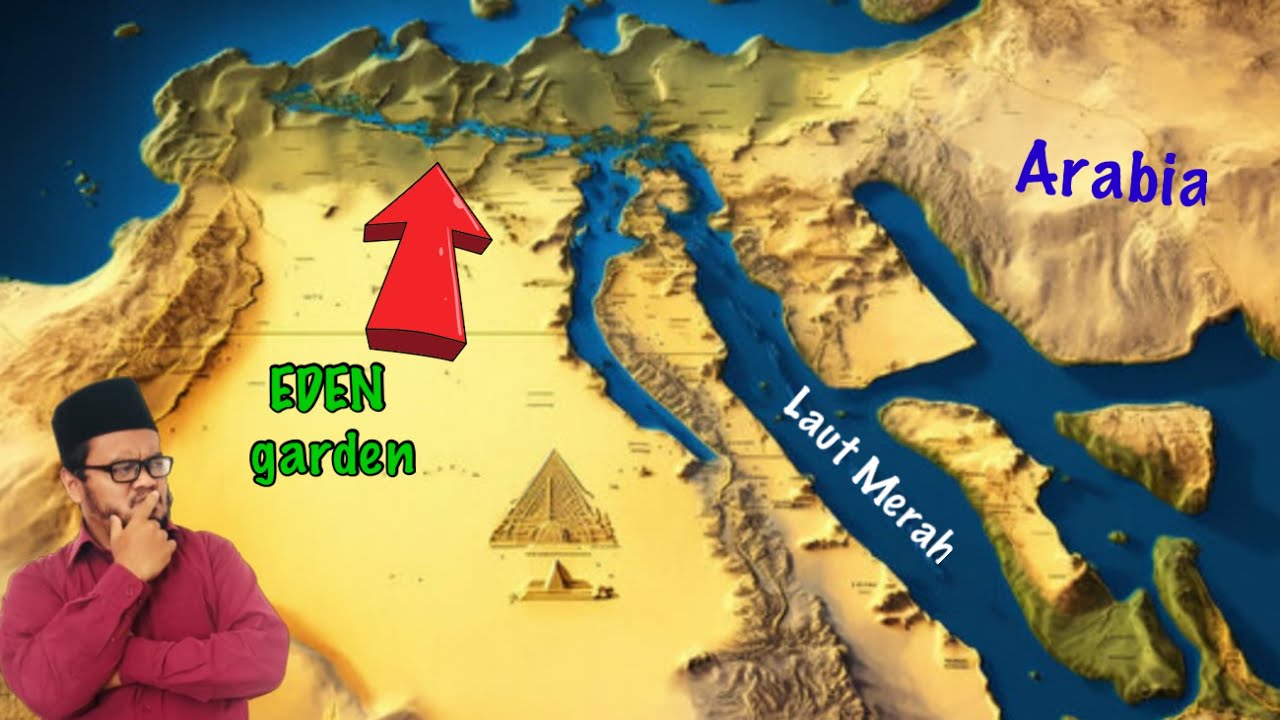
Eps 797 | TAMAN EDEN DITEMUKAN DALAM POTONGAN PETA KUNO? : 5 TEORI TAMAN EDEN

4.2 Fontaine Archon Quest RECAP and Theories | Genshin Impact "Masquerade of the Guilty"

La Pimpa L'elefantino giallo 360p
5.0 / 5 (0 votes)

