Thyroid Eye Disease Support Group - What is Graves' Disease? (Part 1)
Summary
TLDRThis video provides an in-depth exploration of Graves disease, an autoimmune disorder primarily affecting the thyroid but impacting multiple body systems. Initially described by Robert Graves, the condition presents with symptoms such as rapid heartbeat, weight loss, tremor, eye bulging, and skin changes like pretibial myxedema. The underlying cause involves immune cells producing antibodies that overstimulate the thyroid. Key triggers include genetic predisposition, stress, smoking, and infections. Diagnostic tests include TSH, T3, T4, and antibody measurements, with imaging used when necessary. Current treatments manage symptoms rather than the root cause, highlighting the complexity and systemic nature of the disease.
Takeaways
- 😀 Graves disease is an autoimmune disorder primarily affecting the thyroid, causing hyperthyroidism.
- 😀 Common symptoms include an enlarged thyroid gland, rapid heartbeat, tremors, weight loss, and fatigue.
- 😀 Extra-thyroid manifestations include eye problems (exophthalmos), skin changes (pretibial myxedema), and finger clubbing.
- 😀 The disease was initially thought to be a cardiovascular disorder but is now known to be immunologically driven.
- 😀 B cells and T cells play a central role in the autoimmune process, affecting the thyroid and other tissues like eyes and skin.
- 😀 Graves disease is more common in women, particularly between the ages of 20 and 50, possibly due to hormonal influences.
- 😀 Genetic predisposition and environmental triggers, such as stress, smoking, infections, and iodine intake, contribute to disease development.
- 😀 Laboratory diagnosis includes measuring TSH, T3, T4, and thyroid autoantibodies; TSH is the most sensitive marker for early detection.
- 😀 Treatment currently addresses symptoms (thyroid activity and eye issues) rather than the underlying autoimmune cause, which remains untreatable.
- 😀 Graves disease can affect almost every system in the body, including mood, menstrual cycles, fertility, and cardiovascular health.
- 😀 Even if thyroid antibodies are not detectable, Graves disease can be diagnosed using thyroid uptake scans in patients with low TSH and elevated thyroid hormones.
- 😀 Regular monitoring of thyroid hormone levels and antibodies is crucial for assessing disease severity and treatment response.
Q & A
What is Graves' disease and how was it first identified?
-Graves' disease is an autoimmune disorder that causes overactivity of the thyroid gland (hyperthyroidism). It was first described by Robert Graves, an Irish physician, who initially speculated that the disease was primarily related to heart problems due to symptoms like rapid heart rate and strong heartbeat. However, further research revealed that Graves' disease is actually an immunological disorder.
What are the main symptoms of Graves' disease?
-The most common symptoms of Graves' disease include rapid heart rate, weight loss, tremors, fatigue, and increased bowel movements. It can also lead to skin changes like pretibial myxedema, where the lower extremities become firm and rubbery, and clubbing of the fingers. Additionally, eye-related issues, such as bulging eyes, can occur.
How does Graves' disease affect the thyroid gland?
-In Graves' disease, the thyroid gland becomes enlarged and overactive, producing excessive amounts of thyroid hormones (T3 and T4). This leads to a state of hyperthyroidism, causing metabolic processes in the body to accelerate.
What is pretibial myxedema and how is it related to Graves' disease?
-Pretibial myxedema is a skin condition that affects the lower extremities in Graves' disease. The skin becomes firm and rubbery, with a texture resembling that of an orange peel. It is a rare but specific manifestation of Graves' disease.
What are the immunological mechanisms behind Graves' disease?
-Graves' disease is driven by the immune system, where B cells and T cells produce antibodies that bind to thyroid gland receptors, overstimulating the thyroid. This causes the thyroid to produce excessive amounts of thyroid hormones. The immune response may also affect other tissues like the muscles behind the eyes and the skin.
What are the primary treatments for Graves' disease?
-Currently, there are no FDA-approved treatments specifically targeting the eye problems in Graves' disease. Treatments primarily focus on managing thyroid hormone levels through medications like antithyroid drugs or radioiodine therapy. Surgery to remove the thyroid gland may be considered in severe cases.
How do thyroid function tests help diagnose Graves' disease?
-Thyroid function tests typically include measuring TSH (thyroid-stimulating hormone), T4, and T3 levels. In Graves' disease, TSH levels are usually suppressed, while T4 and T3 are elevated. Antibodies specific to Graves' disease, such as TSH receptor antibodies, can also be measured to confirm the diagnosis.
What role do environmental factors play in the development of Graves' disease?
-Environmental factors, including iodine intake, exposure to tobacco smoke, certain infections (like Epstein-Barr virus), and emotional stress, can contribute to the development of Graves' disease. Stress, in particular, is often reported by patients as a trigger preceding the onset of symptoms.
Why is Graves' disease more common in women than in men?
-Graves' disease is more common in women, likely due to hormonal differences, particularly the effects of estrogen. Autoimmune thyroid diseases are generally more prevalent in females, and hormonal changes during pregnancy or menopause may also play a role in triggering the disease.
What is the significance of TSH receptor antibodies in diagnosing Graves' disease?
-TSH receptor antibodies are a key indicator of Graves' disease. These antibodies bind to the thyroid gland's TSH receptors, causing overstimulation and excess thyroid hormone production. While their presence helps confirm the diagnosis, their level doesn't necessarily predict the severity or specific manifestations of the disease.
Outlines

Этот раздел доступен только подписчикам платных тарифов. Пожалуйста, перейдите на платный тариф для доступа.
Перейти на платный тарифMindmap

Этот раздел доступен только подписчикам платных тарифов. Пожалуйста, перейдите на платный тариф для доступа.
Перейти на платный тарифKeywords

Этот раздел доступен только подписчикам платных тарифов. Пожалуйста, перейдите на платный тариф для доступа.
Перейти на платный тарифHighlights

Этот раздел доступен только подписчикам платных тарифов. Пожалуйста, перейдите на платный тариф для доступа.
Перейти на платный тарифTranscripts

Этот раздел доступен только подписчикам платных тарифов. Пожалуйста, перейдите на платный тариф для доступа.
Перейти на платный тарифПосмотреть больше похожих видео
Pathology Basics of Endocrinology

Endocrine System, Part 2 - Hormone Cascades: Crash Course Anatomy & Physiology #24
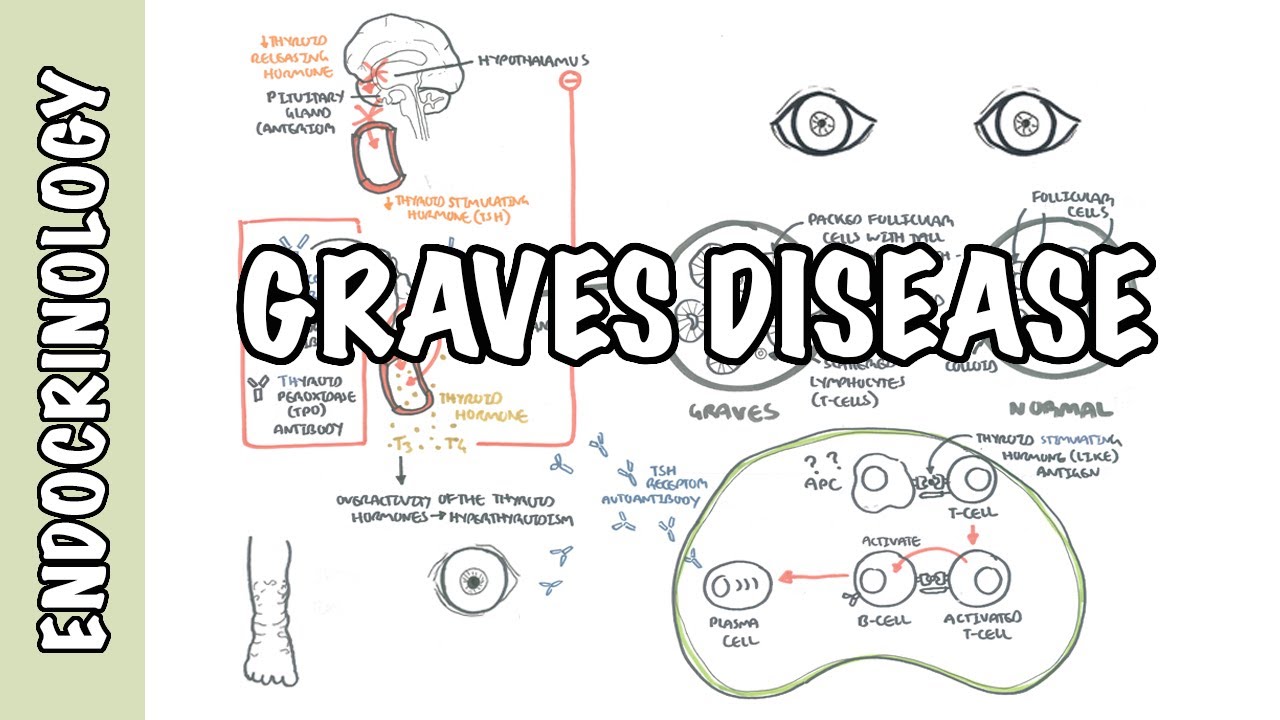
Graves Disease - Overview (causes, pathophysiology, investigations and treatment)
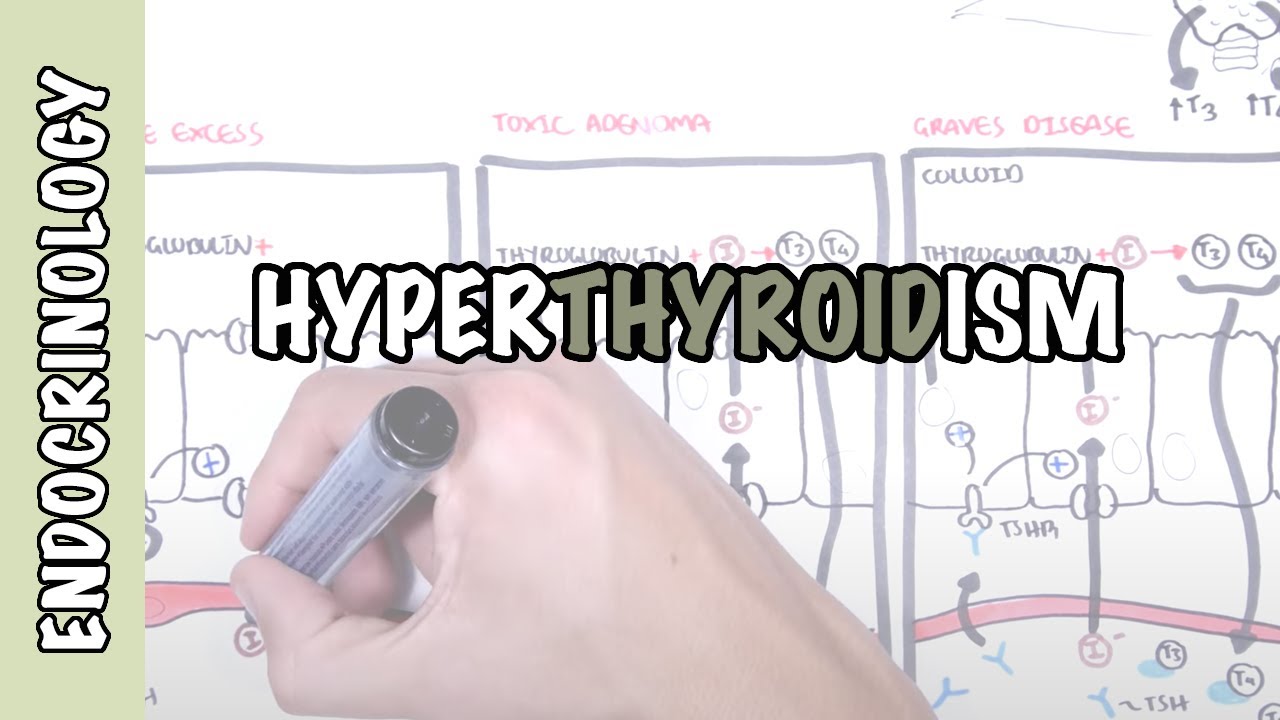
Hyperthyroidism Overview (causes, pathophysiology)

9 Penyebab Hipertiroid selain Grave Disease - Materi Kuliah Farmakoterapi Hormon & Endokrin

Coeliac (Celiac) Disease - Overview (signs and symptoms, pathophysiology, diagnosis, treatment)
5.0 / 5 (0 votes)

