8 DATA ANALYSIS and PRESENTATION
Summary
TLDRThis lesson explores data analysis, interpretation, and presentation, focusing on both qualitative and quantitative data. It covers key methods such as calculating averages (mean, median, mode), percentages, and using graphical representations for quantitative data. For qualitative data, the script emphasizes identifying themes, categorizing data, and using tools like NVivo and Atlas T for analysis. It also introduces theoretical frameworks such as Grounded Theory, Distributed Cognition, and Activity Theory. The lesson concludes with guidelines on how to present findings clearly and appropriately, ensuring that data-driven claims are supported and accurately conveyed to the audience.
Takeaways
- 📊 Data analysis, interpretation, and presentation are essential for understanding data and informing decisions.
- 🔢 Quantitative data is expressed numerically and analyzed using statistical methods such as mean, median, mode, and percentages.
- 📝 Qualitative data captures themes, patterns, and narratives, which are analyzed based on observation and categorization.
- 📉 Graphical representations and visualizations provide clear overviews of both quantitative and qualitative data.
- 💻 Various tools support data analysis, including spreadsheets for simple graphs, SPSS for statistics, and InVivo or Atlas.Ti for qualitative coding.
- 🔍 Theoretical frameworks like Grounded Theory, Distributed Cognition, and Activity Theory provide deeper insight into qualitative analysis.
- 🛠 Grounded Theory involves open, axial, and selective coding to develop theories from systematic data analysis.
- 🤝 Distributed Cognition treats people, environment, and artifacts as a single cognitive system to analyze collaborative work.
- ⚙️ Activity Theory focuses on human behavior in practical activities and examines the interaction and tension between system elements.
- 📢 Presentation of findings should be clear, accurate, tailored to the audience, and should not overstate the evidence.
Q & A
What is the main purpose of data analysis, interpretation, and presentation?
-The main purpose is to make sense of data and convey meaningful insights that inform decision-making.
What is the difference between quantitative and qualitative data?
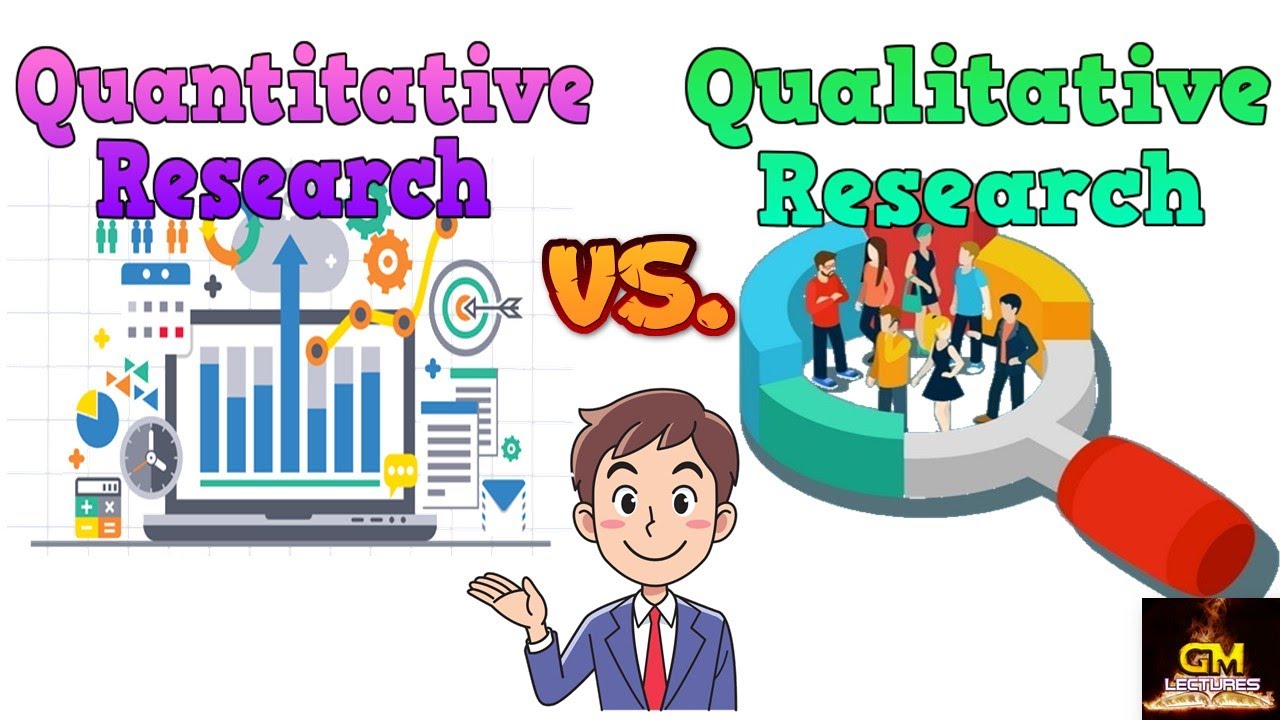
-Quantitative data is expressed numerically and measures size, magnitude, or amount, while qualitative data is descriptive, focusing on themes, patterns, and stories, which are difficult to quantify numerically.
What are some common methods for simple quantitative analysis?
-Common methods include calculating the mean (average), median (middle value), mode (most frequent value), and percentages, along with graphical representations of data.
What precautions should be taken when presenting numerical data?
-Care should be taken not to mislead with numbers, ensuring that averages and percentages accurately represent the data without exaggeration or bias.
What are the primary approaches for qualitative data analysis?
-Primary approaches include identifying recurring patterns or themes, categorizing data using emergent or pre-specified schemes, and focusing on critical incidents that highlight key events.
Which software tools are commonly used for quantitative and qualitative data analysis?
-For quantitative analysis, spreadsheets and statistical packages like SPSS are used. For qualitative analysis, tools like NVivo, Atlas.ti, and CAQDAS support categorization and theme-based analysis.
How does grounded theory support qualitative data analysis?
-Grounded theory derives theory from systematic analysis of data through coding, which involves open coding to identify categories, axial coding to link subcategories, and selective coding to form a theoretical scheme.
What is the focus of distributed cognition in data analysis?
-Distributed cognition views people, the environment, and artifacts as a single cognitive system and focuses on how information propagates and transforms within collaborative work.
How does activity theory explain human behavior in research?
-Activity theory examines human behavior through practical activities in the world, analyzing interactions between activities, people, and artifacts, and identifying tensions within the system.
What are effective methods for presenting research findings?
-Effective methods include using graphical representations, rigorous notations such as UML, creating scenarios or stories, and providing clear summaries, all tailored to the audience and data type.
Why is it important not to overstate evidence when presenting findings?
-Overstating evidence can mislead the audience, so findings should accurately reflect what the data supports to maintain credibility and reliability.
How do mean, median, and mode differ in their interpretation of the same dataset?
-The mean is the arithmetic average, the median is the middle value, and the mode is the most frequent value; each can provide different perspectives on the same data depending on distribution and outliers.
Outlines

Этот раздел доступен только подписчикам платных тарифов. Пожалуйста, перейдите на платный тариф для доступа.
Перейти на платный тарифMindmap

Этот раздел доступен только подписчикам платных тарифов. Пожалуйста, перейдите на платный тариф для доступа.
Перейти на платный тарифKeywords

Этот раздел доступен только подписчикам платных тарифов. Пожалуйста, перейдите на платный тариф для доступа.
Перейти на платный тарифHighlights

Этот раздел доступен только подписчикам платных тарифов. Пожалуйста, перейдите на платный тариф для доступа.
Перейти на платный тарифTranscripts

Этот раздел доступен только подписчикам платных тарифов. Пожалуйста, перейдите на платный тариф для доступа.
Перейти на платный тарифПосмотреть больше похожих видео
Analisis Data | Mengenal Data | Materi Informatika SMP Kelas 7 Kurikulum Merdeka
Materi Informatika SMP Kelas 9 Semester 1. Analisis dan Pengolahan Data

Data Management
ANALISIS DATA KLS 7 MAPEL IMFORMATIKA MUSIK
Qualitative Vs. Quantitative Research (redux)~GM Lectures
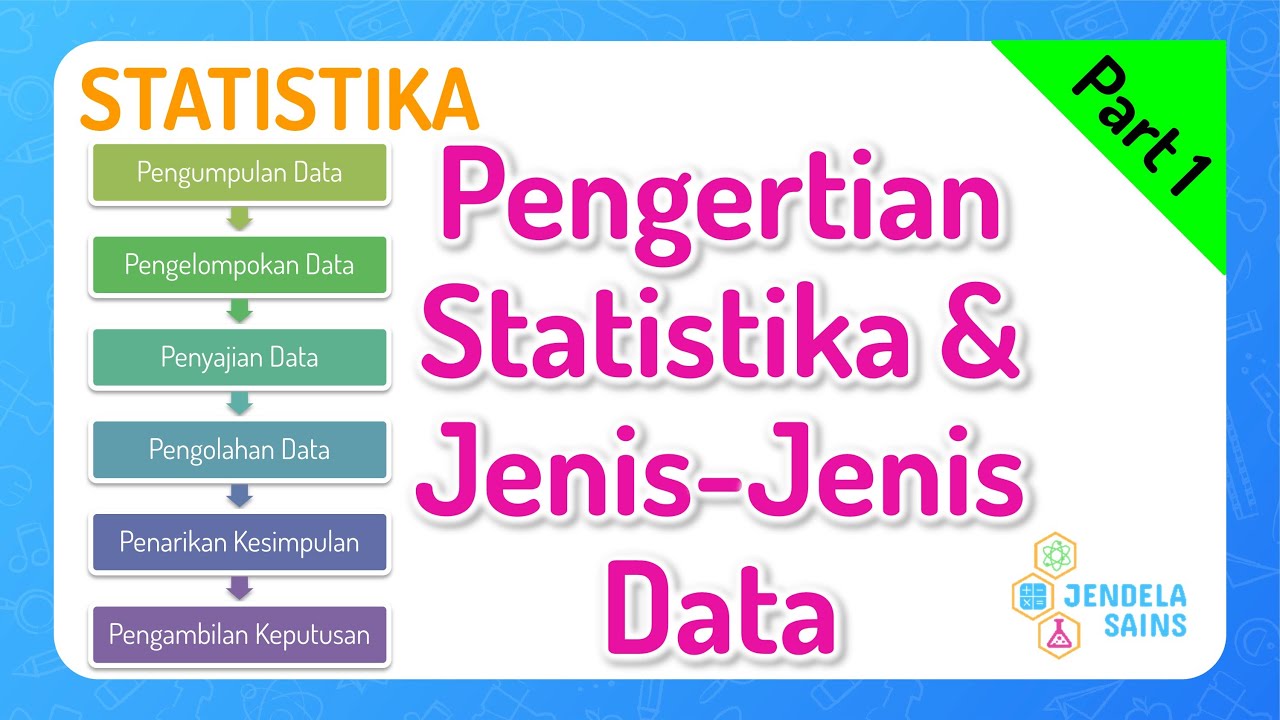
Statistika Matematika Kelas 12 • Part 1: Pengertian Statistika dan Jenis-Jenis Data
5.0 / 5 (0 votes)

