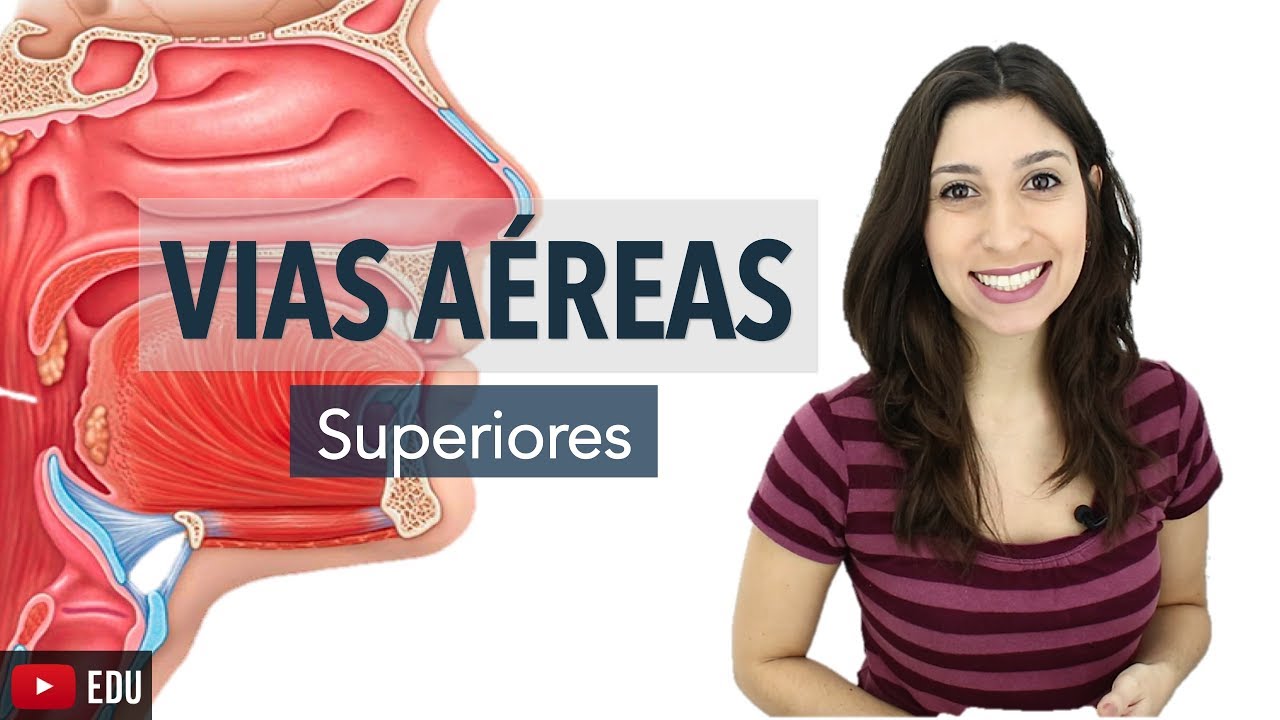
ANATOMIA DA FARINGE (NASOFARINGE, OROFARINGE E LARINGOFARINGE) - SISTEMA DIGESTÓRIO
Summary
TLDRIn this educational video, Cleverson explains the anatomy of the pharynx, covering its importance in both the respiratory and digestive systems. He breaks down the pharynx into three key sections: nasopharynx, oropharynx, and hypopharynx, detailing their roles in air and food passage. The video also explores the muscles involved in swallowing, including the constrictor muscles, and their innervation by the glossopharyngeal and vagus nerves. Additionally, the vascularization and drainage of the pharynx are discussed, emphasizing the role of the external carotid artery. A comprehensive guide for anatomy enthusiasts.
Takeaways
- 😀 The pharynx connects the nasal and oral cavities to both the respiratory and digestive systems, serving as a passageway for air and food.
- 😀 The pharynx is divided into three main portions: nasopharynx (behind the nasal cavity), oropharynx (behind the mouth), and hypopharynx (leading to the larynx and esophagus).
- 😀 The pharynx plays a critical role in both the respiratory and digestive systems, channeling air to the lungs and food to the stomach.
- 😀 The superior, middle, and inferior constrictor muscles are crucial for swallowing, helping to guide food from the mouth to the esophagus while preventing entry into the airways.
- 😀 The constrictor muscles are innervated by the glossopharyngeal and vagus nerves, which control their function in the swallowing process.
- 😀 The pharyngeal muscles must contract in a coordinated manner to ensure the smooth passage of food and air, without risk of aspiration into the wrong tract.
- 😀 Accessory muscles such as the palatopharyngeus, salpingopharyngeus, and stylopharyngeus provide additional support to the pharynx and prevent collapse during swallowing.
- 😀 The vascular supply of the pharynx comes primarily from the external carotid artery, with branches such as the superior thyroid, inferior thyroid, and ascending pharyngeal arteries.
- 😀 The venous drainage of the pharynx is handled by the superior and inferior thyroid veins.
- 😀 The pharynx's muscles and their innervation are essential for the coordinated and efficient processes of swallowing, respiration, and protecting the airway.
Q & A
What is the pharynx and what is its primary role?
-The pharynx is a muscular tube that connects the nasal and oral cavities to the respiratory and digestive systems, serving as a المشتر pathway for air and food.
What are the three main parts of the pharynx?
-The three parts are the nasopharynx, oropharynx, and hypopharynx (laryngopharynx).
What is the function of the nasopharynx?
-The nasopharynx is located behind the nasal cavity and is primarily involved in the passage of air in the respiratory system.
How does the oropharynx differ from the nasopharynx?
-The oropharynx is located behind the oral cavity and functions as a shared pathway for both air and food, unlike the nasopharynx which only conducts air.
What role does the hypopharynx play?
-The hypopharynx connects to both the larynx and esophagus, directing air toward the respiratory tract and food toward the digestive tract.
What prevents food from entering the respiratory tract during swallowing?
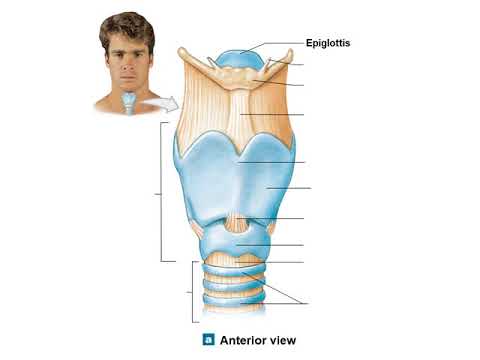
-The epiglottis closes over the larynx during swallowing to prevent food from entering the respiratory tract.
What are the pharyngeal constrictor muscles and their function?
-The superior, middle, and inferior constrictor muscles contract sequentially during swallowing to push food downward into the esophagus.
Why are accessory muscles of the pharynx important?
-Accessory muscles such as the palatopharyngeus, salpingopharyngeus, and stylopharyngeus provide support and prevent collapse of the pharynx during swallowing.
Which nerves are primarily responsible for the innervation of the pharynx?
-The pharynx is mainly innervated by the glossopharyngeal nerve (cranial nerve IX) and the vagus nerve (cranial nerve X).
What is the main arterial supply to the pharynx?
-The pharynx is supplied primarily by branches of the external carotid artery, including the superior thyroid artery, inferior thyroid artery, and ascending pharyngeal artery.
How does the pharynx contribute to both the respiratory and digestive systems?
-It allows air to pass from the nasal cavity to the larynx and food to pass from the oral cavity to the esophagus, acting as a shared conduit for both systems.
What is the function of the superior constrictor muscle during swallowing?
-The superior constrictor muscle contracts to prevent food from entering the nasal cavity by closing off the nasopharynx.
Outlines

Этот раздел доступен только подписчикам платных тарифов. Пожалуйста, перейдите на платный тариф для доступа.
Перейти на платный тарифMindmap

Этот раздел доступен только подписчикам платных тарифов. Пожалуйста, перейдите на платный тариф для доступа.
Перейти на платный тарифKeywords

Этот раздел доступен только подписчикам платных тарифов. Пожалуйста, перейдите на платный тариф для доступа.
Перейти на платный тарифHighlights

Этот раздел доступен только подписчикам платных тарифов. Пожалуйста, перейдите на платный тариф для доступа.
Перейти на платный тарифTranscripts

Этот раздел доступен только подписчикам платных тарифов. Пожалуйста, перейдите на платный тариф для доступа.
Перейти на платный тариф


5.0 / 5 (0 votes)

