Cohesive, Critical and Interpretive Writing
Summary
TLDRThis video emphasizes three crucial elements of academic writing: critique, interpretation, and cohesion. It covers how critique involves analyzing and responding to research, highlighting the importance of synthesis and critical engagement. Interpretation shows the significance of ideas, pushing writing beyond simple description into deeper analysis. Cohesion ensures ideas flow logically and clearly, connecting different sections through cohesive language. The video also offers practical tips like color coding research, using academic phrase banks, and reading extensively to improve writing skills. These techniques help create well-structured, insightful academic papers that demonstrate both critical thinking and clarity.
Takeaways
- 📝 Academic writing relies on three key elements: critique, interpretation, and cohesion.
- 🔍 Critique involves analyzing information, questioning it, and responding to research findings.
- 📚 A layered paragraph approach for critique includes: description of research → critical response → solution or suggestion.
- 🎨 Effective note-taking, such as color-coding and highlighting, helps organize key ideas for critique.
- 💬 Use precise verbs to convey critical tone, ranging from neutral (e.g., 'suggests') to strong (e.g., 'stresses').
- 💡 Interpretation explains the significance of findings, moving writing from descriptive to analytical.
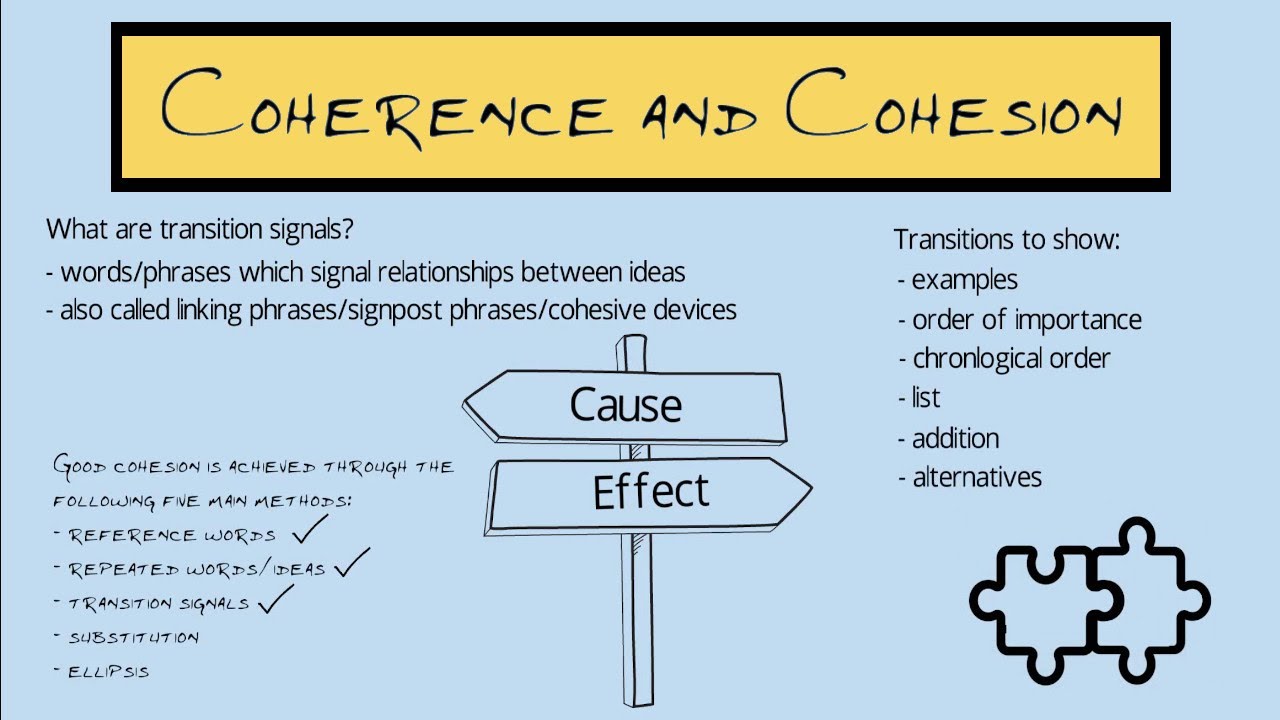
- 🔗 Cohesion ensures flow and connection between ideas through linkers, referent links, thesis statements, and topic sentences.
- 📊 Critique can focus on methods, assumptions, bias, sample size, claims, applicability, replicability, and gaps in research.
- -
- 🌐 Use interpretive language like 'this suggests' or 'this highlights' to give your writing a strong academic voice.
- 📖 Improvement comes from extensive reading, reviewing model essays, past papers, and applying feedback.
- 🔧 Cohesive devices at sentence, paragraph, and paper level help maintain a clear narrative thread and improve readability.
Q & A
What are the three important elements of academic writing discussed in the video?
-The three important elements of academic writing are critique, interpretation, and cohesion.
What does 'critique' in academic writing involve?
-Critique involves engaging with information by analyzing, questioning, synthesizing, and responding to the message. It starts with reading and research, and includes both a reporting element and a critical response.
Why is taking good notes important in the critique process?
-Taking good notes is crucial because it helps organize key points, identify what to focus on, and allows for easier synthesis and critical engagement with the research.
What is the layered paragraph approach in academic writing?
-The layered paragraph approach involves three parts: a descriptive part (reporting what the research found), a critique part (engaging with and questioning the research), and a solution part (suggesting improvements or alternatives). This structure makes the writing clear and easy to follow.
What are some common aspects that can be critiqued in academic research?
-Common aspects that can be critiqued include the method, assumptions, bias, sample size, claims made by the research, applicability of the findings, and any gaps or unknown long-term effects.
What is the difference between critique from another author and critique from the writer themselves?
-Critique from another author involves referencing what someone else has said about the research, while critique from the writer themselves involves the writer's own critical perspective on the research.
How can one improve the quality of critique in their writing?
-One can improve critique quality by using a range of critique language, such as limitation-based language for negative critique or strengths-based language for positive critique, and by synthesizing different studies to highlight similarities, differences, or agreements.
What role does interpretation play in academic writing?
-Interpretation is where the writer comments on the meaning or significance of something, showing why it’s important. It moves the writing beyond simple description and adds a critical voice to the analysis.
Why should writers use interpretive language in academic writing?
-Using interpretive language helps signal significance to the reader, demonstrating why a particular point is relevant or important, and transitioning the writing from descriptive to critical and analytical.
What is cohesion in academic writing, and why is it important?
-Cohesion refers to the connection and linking between ideas in writing. It ensures the writing flows smoothly, making the message clear and easy to follow. It is vital for maintaining a clear narrative thread throughout the text.
How can cohesion be shown in academic writing?
-Cohesion can be shown through the use of linkers (e.g., 'and,' 'therefore'), referent links (e.g., 'this' to connect ideas), and cohesive language like thesis statements, topic sentences, and sentence-level connectors that help organize ideas and maintain flow.
Outlines

Этот раздел доступен только подписчикам платных тарифов. Пожалуйста, перейдите на платный тариф для доступа.
Перейти на платный тарифMindmap

Этот раздел доступен только подписчикам платных тарифов. Пожалуйста, перейдите на платный тариф для доступа.
Перейти на платный тарифKeywords

Этот раздел доступен только подписчикам платных тарифов. Пожалуйста, перейдите на платный тариф для доступа.
Перейти на платный тарифHighlights

Этот раздел доступен только подписчикам платных тарифов. Пожалуйста, перейдите на платный тариф для доступа.
Перейти на платный тарифTranscripts

Этот раздел доступен только подписчикам платных тарифов. Пожалуйста, перейдите на платный тариф для доступа.
Перейти на платный тариф




5.0 / 5 (0 votes)

