Understanding Immunotherapy for NSCLC with PD-1 and PD-L1 Biomarkers
Summary
TLDRThis video explains how immunotherapy is transforming treatment for non-small cell lung cancer by harnessing the body’s immune system. It highlights how cancer cells evade detection through checkpoints like PD-1, PD-L1, and CTLA-4, and how specialized drugs called immune checkpoint inhibitors block these pathways, enabling T-cells to attack tumors. The script outlines different medications, treatment stages, and combinations with chemotherapy, while emphasizing the importance of biomarker testing to guide therapy choices. It also notes limitations for certain genetic mutations and encourages exploring clinical trials, offering hope for improved outcomes and longer survival.
Takeaways
- 😀 Immunotherapy works with your body's immune system to fight cancer by enabling T-cells to target and destroy abnormal cells, including cancer cells.
- 😀 Some cancer cells have features that allow them to evade the immune system. Immunotherapy blocks these features, enabling the immune system to fight cancer effectively.
- 😀 PD1, PDL1, and CTLA4 are immune checkpoint proteins that cancer cells use to escape the immune system. Inhibiting these checkpoints can help T-cells destroy cancer cells.
- 😀 Immune checkpoint inhibitors, like PD1, PDL1, and CTLA4 inhibitors, are drugs that block these escape mechanisms, enabling the immune system to fight cancer more effectively.
- 😀 PD1/PDL1 inhibitors target specific proteins on T-cells and cancer cells to prevent cancer from evading immune detection. These include drugs like pembrolizumab and nivolumab.
- 😀 CTLA4 inhibitors, such as ipilimumab and tremelimumab, keep T-cells active by blocking CTLA4, a checkpoint protein that can turn off immune response to cancer cells.
- 😀 Immune checkpoint inhibitors are used at different stages of non-small cell lung cancer (NSCLC) treatment, including first-line therapy, advanced cancer, and in combination with chemotherapy.
- 😀 People with EGFR or ALK driver mutations typically do not receive immunotherapy as it is less effective in these cases. Targeted therapies are often used instead.
- 😀 Biomarker testing for PDL1 expression is crucial, as it helps doctors determine if PD1/PDL1 inhibitors will be effective, especially in patients with high PDL1 levels.
- 😀 Immunotherapy has made a significant impact on the treatment of advanced lung cancer, extending survival for many patients and offering new hope for treatment options.
- 😀 Clinical trials play a vital role in discovering and testing new treatments for cancer. Patients should ask their doctors about clinical trials for access to cutting-edge therapies.
Q & A
What is immunotherapy and how does it work in the context of non-small cell lung cancer (NSCLC)?
-Immunotherapy is a treatment that uses the body’s immune system to fight cancer. In NSCLC, it works by preventing cancer cells from evading the immune system, allowing T-cells to identify and destroy abnormal cells, slowing cancer growth.
What role do T-cells play in the immune system's defense against cancer?
-T-cells are responsible for recognizing and destroying abnormal cells, including cancer cells. However, some cancer cells can evade detection by T-cells, which is where immunotherapy helps.
What are PD-1, PD-L1, and CTLA-4, and how do they impact cancer treatment?
-PD-1, PD-L1, and CTLA-4 are proteins that cancer cells use to evade immune detection. PD-1 and PD-L1 proteins can prevent T-cells from attacking cancer cells, while CTLA-4 inhibits T-cells from remaining active. Immunotherapy drugs target these proteins to restore the immune system's ability to fight cancer.
What are immune checkpoint inhibitors, and how do they help in cancer treatment?
-Immune checkpoint inhibitors are drugs that block the checkpoints (such as PD-1, PD-L1, and CTLA-4) that cancer cells use to evade the immune system. By inhibiting these checkpoints, the drugs allow T-cells to remain active and destroy cancer cells more effectively.
What are some examples of drugs that target PD-1, PD-L1, and CTLA-4 in lung cancer treatment?
-Drugs targeting PD-1 include pembrolizumab, nivolumab, and sulab. PD-L1 inhibitors include atezolizumab and durvalumab. CTLA-4 inhibitors include ipilimumab and tremelimumab.
When are immune checkpoint inhibitors used in the treatment of non-small cell lung cancer?
-Immune checkpoint inhibitors are used at different stages of NSCLC, from the initial treatment to advanced stages. They can be used alone, in combination with other immunotherapy drugs, or alongside chemotherapy.
Why don't people with EGFR or ALK driver mutations usually receive immunotherapy?
-People with EGFR or ALK driver mutations typically do not benefit from immunotherapy because these mutations drive cancer growth in ways that make immunotherapy less effective. Instead, targeted therapies are used to treat these mutations.
What is the significance of biomarker testing in lung cancer treatment?
-Biomarker testing helps identify specific features of the cancer, such as PD-L1 expression, which can influence the effectiveness of immunotherapy. It allows doctors to personalize treatment and choose the most effective therapy for each patient.
How can clinical trials contribute to lung cancer treatment advancements?
-Clinical trials test new treatments to determine their safety and effectiveness. For patients, participating in clinical trials could offer access to potentially better treatments. Additionally, data from trials help improve treatments for future patients.
What are the possible benefits of immunotherapy for patients with advanced non-small cell lung cancer?
-Immunotherapy has significantly extended the lives of many people with advanced NSCLC, enabling them to live longer than they would have with traditional treatments. It can slow tumor growth and improve survival rates in some patients.
Outlines

Этот раздел доступен только подписчикам платных тарифов. Пожалуйста, перейдите на платный тариф для доступа.
Перейти на платный тарифMindmap

Этот раздел доступен только подписчикам платных тарифов. Пожалуйста, перейдите на платный тариф для доступа.
Перейти на платный тарифKeywords

Этот раздел доступен только подписчикам платных тарифов. Пожалуйста, перейдите на платный тариф для доступа.
Перейти на платный тарифHighlights

Этот раздел доступен только подписчикам платных тарифов. Пожалуйста, перейдите на платный тариф для доступа.
Перейти на платный тарифTranscripts

Этот раздел доступен только подписчикам платных тарифов. Пожалуйста, перейдите на платный тариф для доступа.
Перейти на платный тариф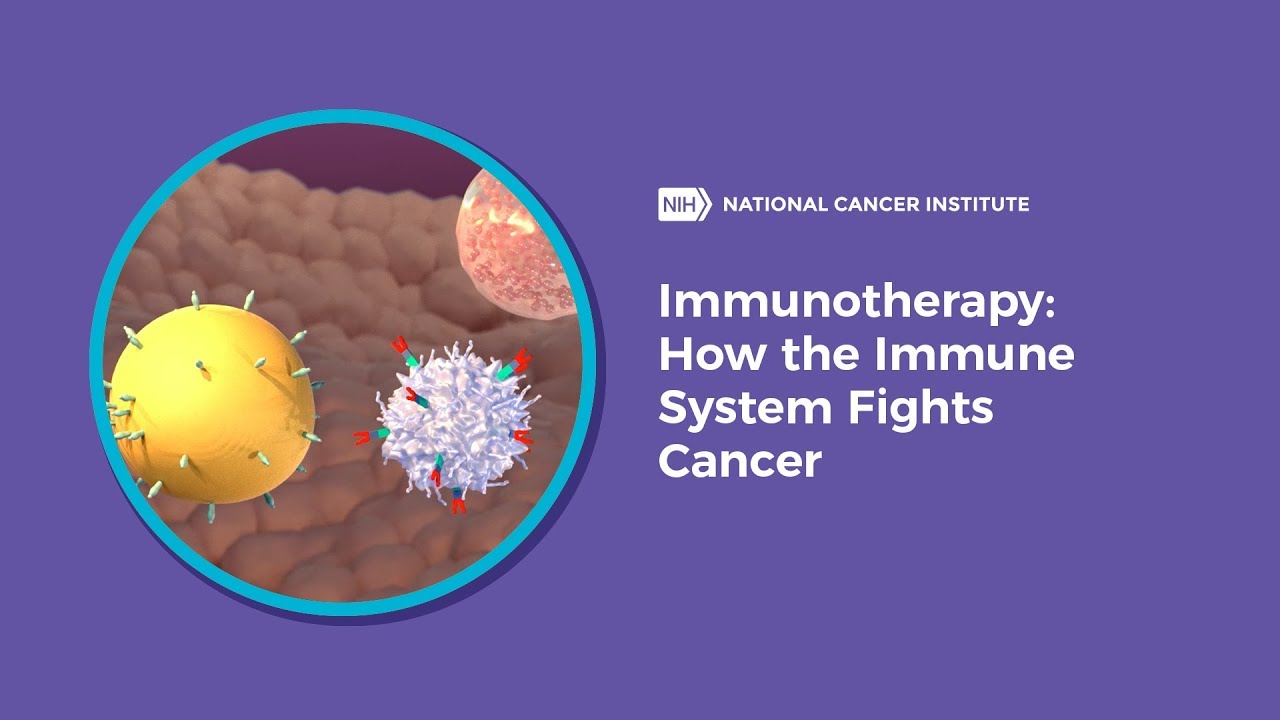



5.0 / 5 (0 votes)

