Belajar IPA | Ekosistem dan Komponen Biotik Abiotik Kelas 7 SMP/MTs
Summary
TLDRThis educational video introduces viewers to the concept of ecosystems, explaining them as interconnected systems of living organisms and their environment. It covers key components, including individuals, populations, communities, ecosystems, and the biosphere, highlighting how each interacts. The video also details biotic components—producers, consumers, and decomposers—and abiotic factors such as sunlight, water, and climate, emphasizing their roles in maintaining ecological balance. Through clear examples and explanations, including photosynthesis and food chains, viewers gain a comprehensive understanding of how ecosystems function and why preserving these delicate interactions is essential for sustaining life on Earth.
Takeaways
- 😀 An ecosystem is a system that consists of living organisms interacting with their environment.
- 😀 Habitat is the place where organisms live and reproduce, which is essential for forming an ecosystem.
- 😀 Ecosystem refers to the mutual relationship between living organisms and their environment, studied in ecology.
- 😀 Organisms are grouped into different levels in an ecosystem, starting with individuals, populations, communities, and ecosystems themselves.
- 😀 The biosphere is the largest unit in ecology, consisting of all ecosystems on Earth.
- 😀 Biotic components in an ecosystem include all living organisms, such as plants, animals, and microscopic organisms like bacteria.
- 😀 Abiotic components refer to non-living factors like sunlight, water, climate, soil, and temperature, which support life in an ecosystem.
- 😀 Autotrophic organisms (producers), like plants, create their own food through photosynthesis using sunlight and carbon dioxide.
- 😀 Heterotrophic organisms (consumers), such as herbivores, carnivores, and omnivores, rely on other organisms for food.
- 😀 Decomposers, such as bacteria and fungi, break down dead organisms and recycle nutrients back into the ecosystem.
Q & A
What is an ecosystem?
-An ecosystem is a unity of interactions between living organisms and their environment, consisting of both biotic (living) and abiotic (non-living) components.
What does the term 'habitat' refer to in an ecosystem?
-A habitat is the place where an organism lives and reproduces, which is essential for its survival. It is within this habitat that organisms interact with their surroundings.
What is the difference between biotic and abiotic components of an ecosystem?
-Biotic components are the living organisms within an ecosystem, such as plants, animals, and microorganisms, while abiotic components are the non-living factors like sunlight, water, temperature, and soil.
What is the role of autotrophs (producers) in an ecosystem?
-Autotrophs, or producers, are organisms that can produce their own food, typically through photosynthesis. They are usually plants that use sunlight, chlorophyll, and carbon dioxide to create food for themselves and other organisms.
What is the process of photosynthesis?
-Photosynthesis is the process by which plants use sunlight, carbon dioxide, and chlorophyll to create food (glucose) for themselves. It also produces oxygen, which is essential for the respiration of other living organisms.
What are heterotrophs (consumers) and what do they rely on?
-Heterotrophs, or consumers, are organisms that cannot produce their own food and must rely on other organisms for nutrition. They include herbivores (plant eaters), carnivores (meat eaters), and omnivores (both plant and meat eaters).
What role do decomposers play in an ecosystem?
-Decomposers, such as bacteria, fungi, and earthworms, break down dead organisms, returning essential nutrients and minerals back into the soil, which helps maintain the nutrient cycle in ecosystems.
Can you provide examples of abiotic components of an ecosystem?
-Examples of abiotic components include water, sunlight, temperature, humidity, air, and soil. These non-living factors influence the survival and distribution of organisms within an ecosystem.
What is the difference between a population and a community in an ecosystem?
-A population refers to a group of individuals of the same species living in the same area, while a community consists of multiple populations of different species interacting within a given environment.
What is the biosphere?
-The biosphere refers to the global sum of all ecosystems on Earth, encompassing all the living organisms and their interactions with the environment on the planet's surface.
Outlines

Этот раздел доступен только подписчикам платных тарифов. Пожалуйста, перейдите на платный тариф для доступа.
Перейти на платный тарифMindmap

Этот раздел доступен только подписчикам платных тарифов. Пожалуйста, перейдите на платный тариф для доступа.
Перейти на платный тарифKeywords

Этот раздел доступен только подписчикам платных тарифов. Пожалуйста, перейдите на платный тариф для доступа.
Перейти на платный тарифHighlights

Этот раздел доступен только подписчикам платных тарифов. Пожалуйста, перейдите на платный тариф для доступа.
Перейти на платный тарифTranscripts

Этот раздел доступен только подписчикам платных тарифов. Пожалуйста, перейдите на платный тариф для доступа.
Перейти на платный тарифПосмотреть больше похожих видео
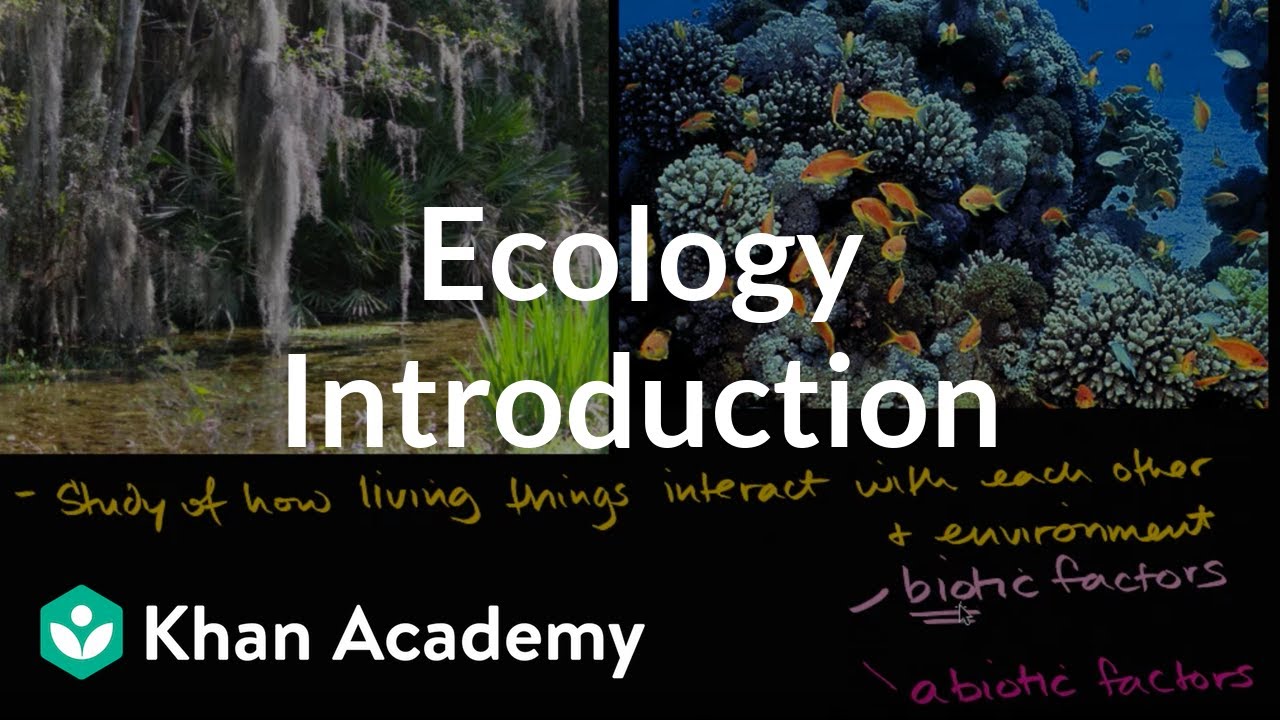
Ecology introduction | Ecology | Khan Academy
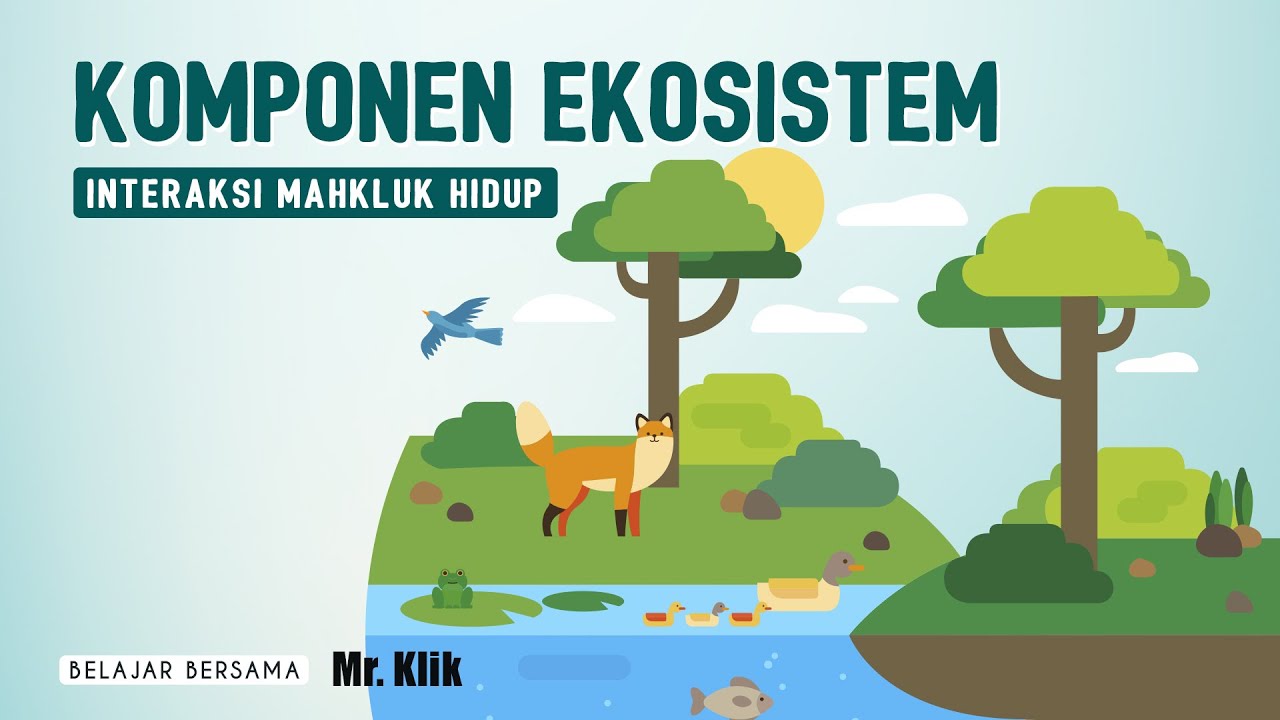
KOMPONEN DALAM EKOSISTEM | INTERAKSI MAHKLUK HIDUP DENGAN LINGKUNGAN

Makhluk Hidup dan Lingkungannya_Mapel IPAS Kelas 10 SMK

Satuan-satuan ekosistem
Materi Interaksi Makhluk Hidup dengan Lingkungan Kelas 7 SMP | Ekosistem

interaksi makhluk hidup dengan lingkungannya | IPA Kelas 7
5.0 / 5 (0 votes)

