LIQUIDITY🔥 - "The X- Factor" | Major Liquidity | Smart Money Concepts | SMC | Episode 3 |
Summary
TLDRThis video delves into the crucial concept of liquidity in smart money trading. It explains how liquidity, the accumulation of buy and sell orders, drives price movements in the market. The video emphasizes the importance of understanding external and internal liquidity zones, where institutional players target retail traders' stop losses and limit orders. Key concepts like liquidity sweeps, external liquidity at major swing highs/lows, and how to identify these high-probability zones for better trading decisions are thoroughly discussed. Ultimately, the video aims to equip traders with the knowledge to navigate and avoid smart money traps.
Takeaways
- 💡 Liquidity is the fuel of the market; it represents areas with a high concentration of buy and sell orders.
- 🏦 Retail traders often provide liquidity through their stop losses and pending orders, which smart money (institutions) exploits.
- 📈 Buy-side liquidity comes from short sellers' stop losses and pending buy orders, while sell-side liquidity comes from long buyers' stop losses and pending sell orders.
- 🔍 Major market structures, such as swing highs and swing lows, are key areas where liquidity clusters.
- ⚡ Break of Structure (BOS) and Change of Character (CHOCH) signal market trend continuation or potential reversals and indicate liquidity absorption zones.
- 🎯 Smart money uses liquidity sweeps or grabs to efficiently fill large positions while minimizing market impact.
- ↕️ Price moves from one liquidity zone to another, forming impulse and corrective waves, and pullbacks occur to tap opposite-side liquidity.
- 🕰 Higher timeframe levels (daily, weekly, monthly swing highs/lows) generally contain stronger and more meaningful liquidity than lower timeframe levels.
- 📊 Equal highs/lows, double tops/bottoms, trendlines, and prior period highs/lows are key locations to find external liquidity.
- 📌 Understanding liquidity and market structure helps traders anticipate market movements, avoid common traps, and align with smart money behavior.
- 🔄 Pullbacks often reach only 40–50% of the prior move before resuming the main trend, as the market seeks additional liquidity efficiently.
- 🏁 Inducements, order blocks, and Points of Interest (POIs) are advanced liquidity zones where institutions place large orders, providing high-probability trading opportunities.
Q & A
What is liquidity in trading, and why is it important?
-Liquidity refers to the presence of a large number of buyers and sellers willing to trade a particular asset. It is important because it allows transactions to occur quickly and with minimal price impact, and it acts as the fuel that drives market movements. Without liquidity, markets would be highly volatile and inefficient.
How do retail traders typically provide liquidity in the market?
-Retail traders often provide liquidity through stop-loss orders and pending orders. Institutions and smart money use these retail orders to execute large trades efficiently by triggering stop-losses and filling orders at favorable prices.
What is the difference between buy-side liquidity and sell-side liquidity?
-Buy-side liquidity consists of stop-loss orders and buy limit orders above resistance levels or swing highs, often placed by short sellers. Sell-side liquidity includes stop-loss orders and sell limit orders below support levels or swing lows, often placed by long traders.
What are major and minor liquidity zones?
-Major liquidity zones, or external liquidity, are associated with key swing highs and lows on higher timeframes and tend to have more orders and stronger market reactions. Minor liquidity zones, or internal liquidity, are related to smaller swings within larger trends and generally have weaker liquidity.
What is a liquidity sweep (or liquidity grab) and why do institutions perform it?
-A liquidity sweep occurs when smart money or institutions absorb retail orders by triggering stop-losses and pending orders at key levels. This allows them to enter or exit large positions efficiently at optimal prices while minimizing market impact.
How does market structure interact with liquidity?
-Market structure, including swing highs, swing lows, break of structure, and changes of character, helps identify where liquidity is concentrated. Price tends to move towards these zones to capture available orders, which often leads to pullbacks and directional moves.
Why do prices often pull back after a breakout or change of character?
-Pullbacks occur because the market needs to tap into liquidity on the opposite side to continue the trend. After a breakout, the market moves until available buy or sell orders are absorbed, then pulls back to gather more liquidity before resuming the main trend.
What are some high-probability locations to find major liquidity?
-High-probability liquidity zones include major swing highs and lows on higher timeframes, equal highs and lows, double tops and bottoms, trend lines, and prior daily, weekly, monthly, or yearly highs and lows. These levels often have clusters of retail orders that smart money targets.
Why are higher timeframe swing levels considered stronger liquidity zones than lower timeframe levels?
-Higher timeframe swing levels contain more aggregated orders from a larger number of participants, resulting in stronger and more meaningful price reactions. Lower timeframe levels have fewer orders and therefore weaker liquidity.
How can traders apply the concept of liquidity to improve their trading?
-Traders can improve trading decisions by identifying major liquidity zones, observing where retail orders cluster, and understanding how smart money might manipulate price through liquidity sweeps. This allows them to enter trades more strategically and avoid being trapped by institutional moves.
What is the purpose of order blocks and points of interest (POI) in liquidity trading?
-Order blocks and POIs are areas where large institutional orders are placed, often near major swing points. These zones act as magnets for price movement and liquidity absorption. Traders use them to anticipate reversals or continuation of trends based on smart money activity.
Why should traders focus less on conventional indicators according to Smart Money Concepts?
-Indicators are often lagging and derived from price and volume data, which means they provide signals after a move has already started. By focusing on liquidity and market structure, traders can anticipate price movements proactively rather than reacting to delayed signals.
Outlines

Этот раздел доступен только подписчикам платных тарифов. Пожалуйста, перейдите на платный тариф для доступа.
Перейти на платный тарифMindmap

Этот раздел доступен только подписчикам платных тарифов. Пожалуйста, перейдите на платный тариф для доступа.
Перейти на платный тарифKeywords

Этот раздел доступен только подписчикам платных тарифов. Пожалуйста, перейдите на платный тариф для доступа.
Перейти на платный тарифHighlights

Этот раздел доступен только подписчикам платных тарифов. Пожалуйста, перейдите на платный тариф для доступа.
Перейти на платный тарифTranscripts

Этот раздел доступен только подписчикам платных тарифов. Пожалуйста, перейдите на платный тариф для доступа.
Перейти на платный тарифПосмотреть больше похожих видео
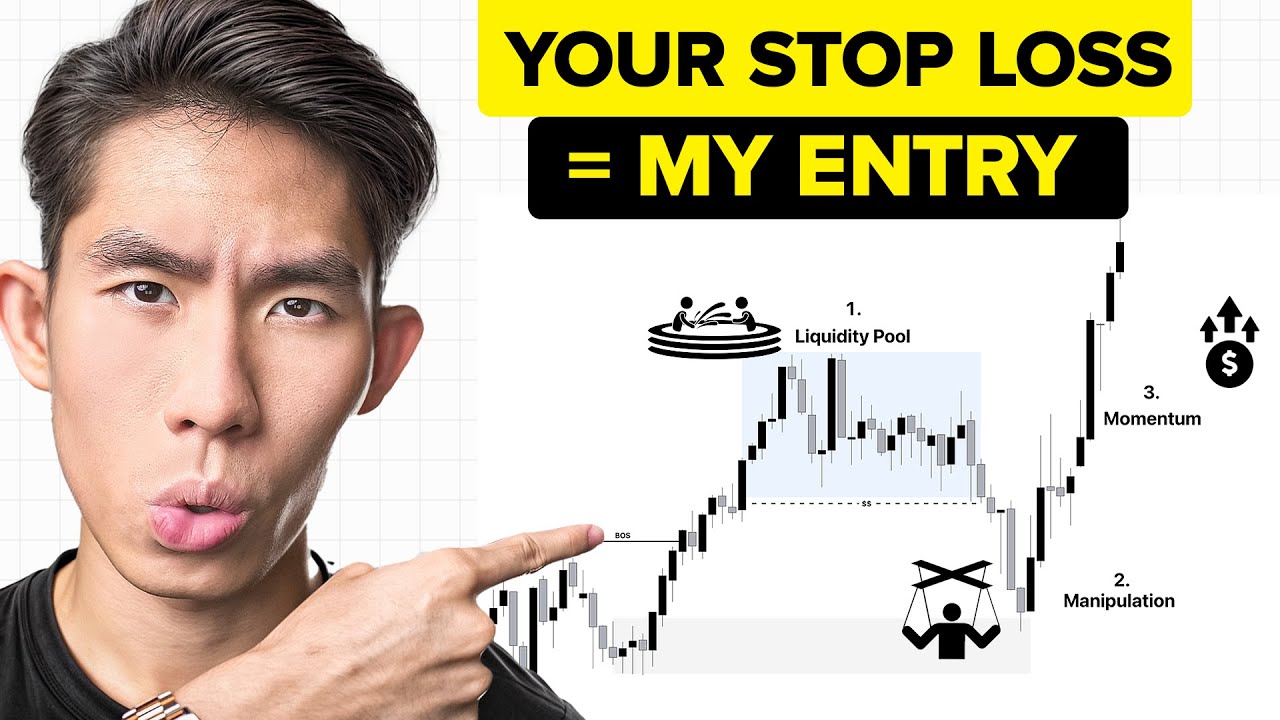
How Smart Money Manipulate YOUR Trades….(leaked video)
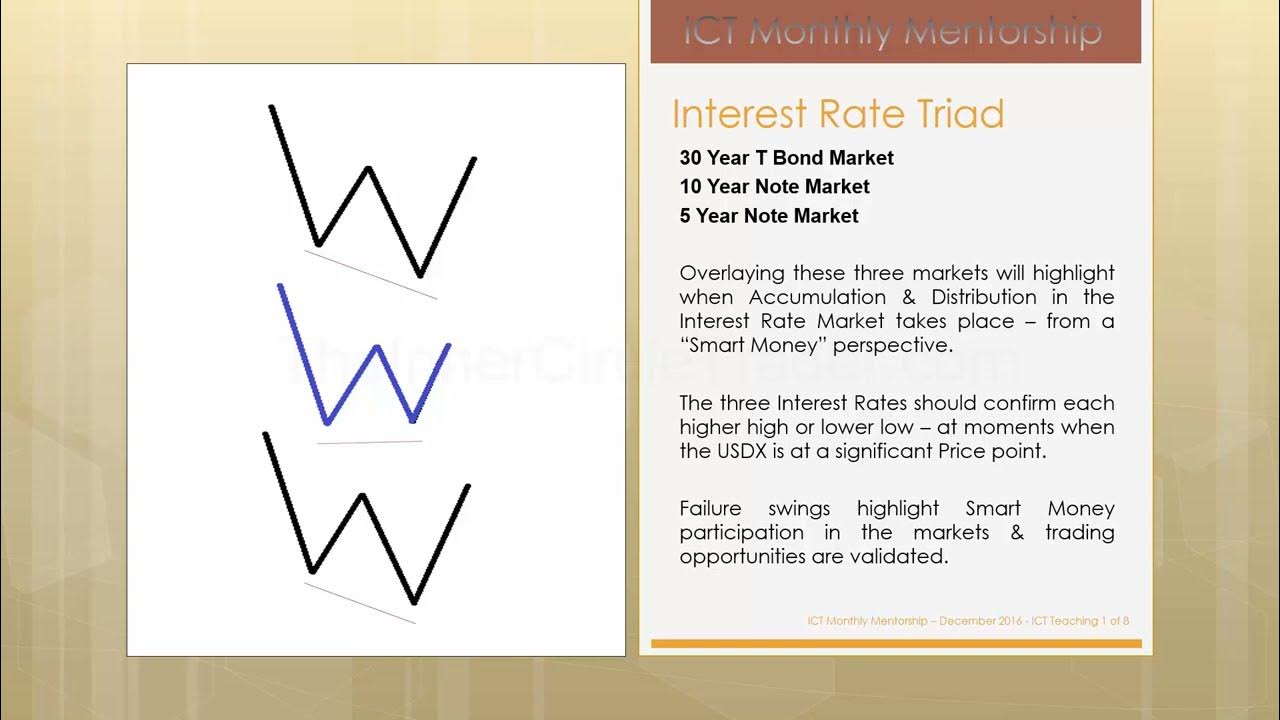
ICT Mentorship Core Content - Month 04 - Interest Rate Effects On Currency Trades

Liquidity Concepts Simplified (SMC Trading Strategy Masterclass)
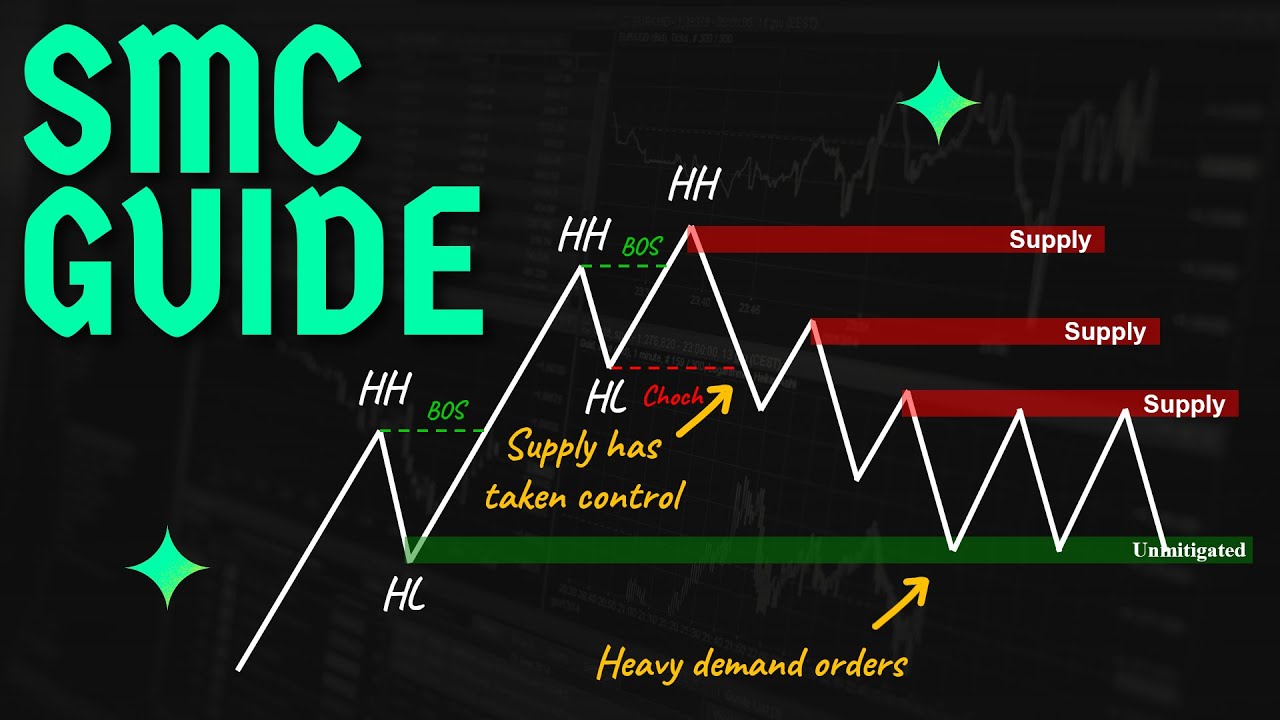
Ultimate Smart Money Trading Guide

How To Identify Liquidity in Trading (SMC Trading)

ICT CISD 100% Win Rate Strategy
5.0 / 5 (0 votes)

