Dosa Besar Perusak Lingkungan | Arti Ekoteologi | Kemenag Jabar
Summary
TLDRThis podcast episode explores **Ecotheology** from an Islamic perspective, highlighting the relationship between religion and environmental responsibility. Hosted by Lucy Ayudaningsih, the discussion with Dr. H. Masudi emphasizes Islam’s teachings on stewardship, or **Khalifah**, and the duty of humans to preserve nature. They discuss key Qur'anic verses and Islamic practices that call for sustainable living, including tree planting and reducing waste. The episode offers practical solutions to ecological issues, urging Muslims and the general public in **West Java** to take action, aligning faith with environmental care for future generations.
Takeaways
- 😀 Ecotheology is a concept that combines theology and ecology, focusing on the relationship between faith and the environment.
- 😀 The term 'ecotheology' is derived from two Greek words: 'eco' meaning home or environment, and 'theology' meaning the study of God.
- 😀 In Islam, the environment is viewed as a creation of God, and humans are considered 'khalifah' (stewards) of the Earth, responsible for its preservation.
- 😀 The Qur'an emphasizes the importance of environmental stewardship, with over 500 verses addressing environmental concerns.
- 😀 Humans are called to be symbiotic with nature, benefiting from it while also ensuring its protection for future generations.
- 😀 The concept of 'khalifah' implies a moral and ethical responsibility to preserve the environment, not exploit it.
- 😀 Islamic teachings highlight that environmental damage is a form of ignorance, and it is crucial to repent and correct such actions.
- 😀 There is a strong link between spirituality and ecological consciousness in Islam, with the belief that environmental harm is a spiritual transgression.
- 😀 Practical steps to address environmental issues include tree planting, reducing plastic use, and promoting waste-free practices.
- 😀 The role of government and religious institutions is vital in promoting environmental awareness, and the Indonesian Ministry of Religious Affairs has introduced initiatives like mandatory tree planting for civil servants.
- 😀 The podcast calls for individual responsibility in environmental care, emphasizing that people must lead by example before encouraging others to act.
Q & A
What is the main theme discussed in the podcast?
-The main theme discussed is 'Ecotheology,' which examines the relationship between the environment and religious faith, particularly from the Islamic perspective.
Who is the guest speaker on this podcast episode?
-The guest speaker is Dr. H. Masudi, a religious counselor and expert in Islamic studies from Kecamatan Kutawaringin, Kabupaten Bandung.
What does the term 'Ecotheology' mean?
-Ecotheology is a field that merges 'eco,' meaning 'house' or 'environment' from Greek, with 'theology,' meaning 'study of God.' It explores the relationship between religious belief and environmental stewardship.
Why is 'Ecotheology' an important topic to discuss?
-It is important because it addresses the environmental crisis, such as the deforestation and ecological degradation happening in regions like Jawa Barat, and presents a faith-based perspective on sustainable solutions.
How does Islam approach environmental conservation?
-Islam teaches that humanity is a 'khalifah' (steward) of the earth. This means humans have a responsibility to protect and sustain the environment, reflecting God's creation in a symbiotic relationship with nature.
What is the significance of the term 'khalifatullah' in Islamic Ecotheology?
-'Khalifatullah' refers to humans being God's stewards on Earth. Islam teaches that humans are responsible for maintaining the balance of nature and should not exploit it for selfish gain.
What are some Quranic verses that emphasize the importance of environmental preservation?
-One of the key verses mentioned is from Surah Ar-Rum (41), which highlights that the corruption of ecosystems is a result of human actions. The Quran also contains over 500 verses discussing the environment.
What role does human awareness play in addressing environmental issues?
-Awareness is crucial because it leads to collective action. People need to recognize that ecological damage is tied to spiritual and ethical shortcomings, and by aligning faith with environmental responsibility, change can be achieved.
What steps has the Ministry of Religious Affairs in West Java taken to promote environmental conservation?
-The Ministry has implemented policies such as requiring civil servants (ASN) to plant one tree and avoid using vehicles on Thursdays to reduce pollution. They also promote bringing personal reusable containers to work to minimize waste.
What is the significance of planting trees, according to the podcast?
-Planting trees is seen as a long-term commitment to the environment. Even if individuals don't directly benefit from the trees they plant, future generations will, reflecting the idea of planting for the future, as taught in Islam.
Outlines

Этот раздел доступен только подписчикам платных тарифов. Пожалуйста, перейдите на платный тариф для доступа.
Перейти на платный тарифMindmap

Этот раздел доступен только подписчикам платных тарифов. Пожалуйста, перейдите на платный тариф для доступа.
Перейти на платный тарифKeywords

Этот раздел доступен только подписчикам платных тарифов. Пожалуйста, перейдите на платный тариф для доступа.
Перейти на платный тарифHighlights

Этот раздел доступен только подписчикам платных тарифов. Пожалуйста, перейдите на платный тариф для доступа.
Перейти на платный тарифTranscripts

Этот раздел доступен только подписчикам платных тарифов. Пожалуйста, перейдите на платный тариф для доступа.
Перейти на платный тарифПосмотреть больше похожих видео

Islam dan Lingkungan Hidup | Ust. Alhafiz Kurniawan

TEMAN SAHUR EPS. 24 | RAMADHAN TANPA MUBAZIR: MENGELOLA KEUANGAN SYARIAH DAN MENJAGA BUMI

Konsep IPTEK dalam Islam

PODCAST ASY-SYIFA' | PLURALISME AGAMA | USTADZAH HANIN DAN USTADZ AZHAR (Part 2)

#urdulecture Mazhab ka Ta'aruf #religion #beliefs #muhammadmakki
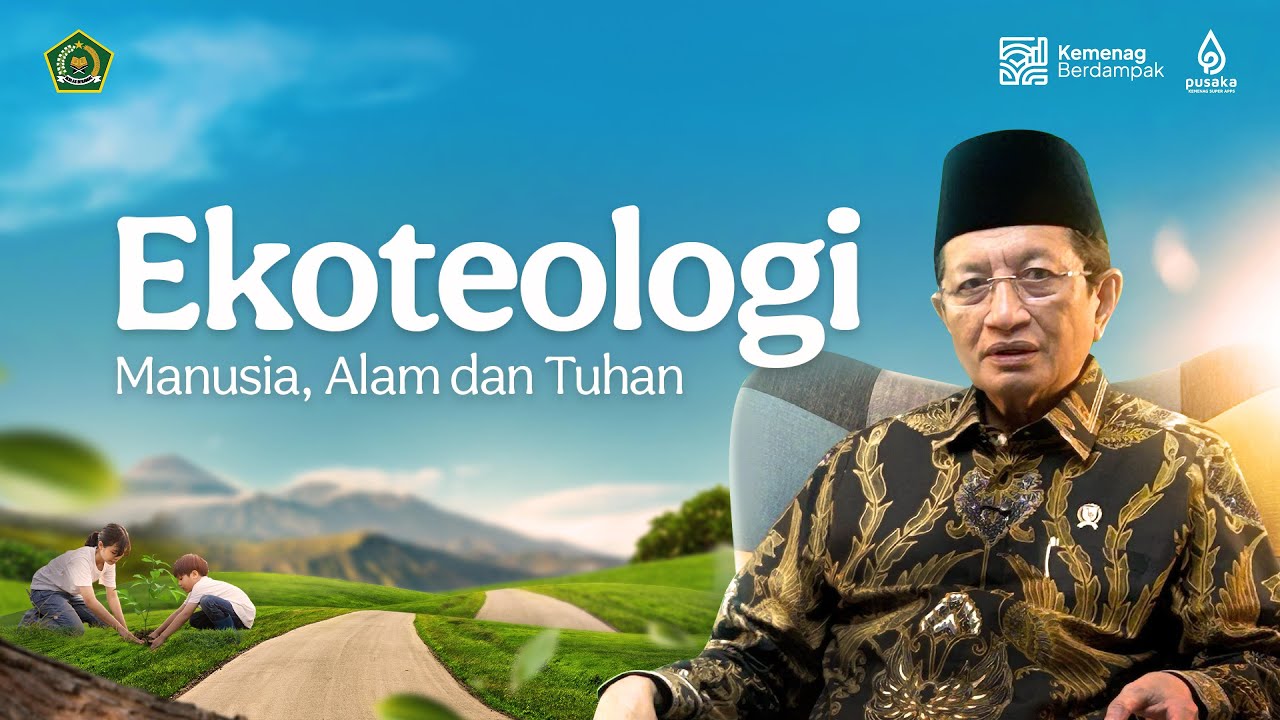
Ekoteologi: Manusia, Alam dan Tuhan
5.0 / 5 (0 votes)

