Ekoteologi Islam: Bagaimana Ayat-ayat Al-Quran Bicara Tentang Lingkungan Hidup?
Summary
TLDRIn this insightful discussion, Imam Arif explores the concept of ecotheology, emphasizing the interconnectedness of humans, nature, and God. He highlights how the Qur'an views environmental responsibility not just as a social issue, but as an act of worship and an integral part of faith. The conversation underscores that nature is a trust from Allah, with humans serving as stewards tasked with its protection. Imam Arif also reflects on why ecological awareness has gained more attention recently and introduces a forthcoming book on Qur'anic verses related to ecology, aimed at fostering a deeper understanding of environmental stewardship in Islam.
Takeaways
- 😀 Environmental crisis is not just a future issue but is happening now, and it is deeply connected to spirituality, not just politics or technology.
- 🌍 Ecotheology (Ecological theology) examines the relationship between humans, nature, and God, urging a holistic perspective on environmental care.
- 📜 Quranic verses emphasize the glorification of God by all things in nature, reminding us that the Earth and its creatures are in constant worship of the Creator.
- 🌱 Humans are entrusted with the role of 'khalifah' (caretakers) of the Earth, meaning we have a divine responsibility to preserve the environment for future generations.
- 🌟 Environmental stewardship is not merely a social issue but a spiritual obligation, as protecting the environment is part of one’s worship and faith.
- 📖 Key Quranic teachings stress that everything on Earth belongs to God, and humans must use resources responsibly, without exploiting nature.
- 🔄 The concept of balance (wazn) in the Quran teaches that humans must not disturb the natural harmony of the Earth, which is perfectly created and regulated by God.
- 🌊 The Quranic verse from Surah Ar-Rum highlights that corruption on Earth and in the seas is a result of human actions, urging us to take responsibility for our environmental impact.
- 💚 The Quran advocates for environmental preservation by reminding us that nature is not a possession but a trust from God, and we are responsible for its care and protection.
- 📚 The discussion calls for increased awareness and education on ecotheology to help individuals understand the theological basis for environmental responsibility.
- 💡 The forthcoming book on tafsir (interpretation) of ecological verses aims to provide deeper insights into the Quran's guidance on environmental issues, bridging spirituality and ecology.
Q & A
What is the main theme discussed in the conversation?
-The main theme of the conversation is eco-theology, which explores the relationship between humans, nature, and God from an Islamic perspective, focusing on the importance of preserving the environment as part of religious duty.
How does the speaker relate environmental issues to spiritual teachings in the Qur'an?
-The speaker emphasizes that environmental issues are not only political or technological but also deeply spiritual, with the Qur'an highlighting the interconnectedness between humans, nature, and God. The environment is viewed as a trust from Allah that humans are responsible for maintaining.
What does the phrase 'Yusabbihu lahu ma fis samawati wa ma fil ard' mean in relation to nature?
-This verse means that everything in the heavens and on earth glorifies God, including trees and plants. The speaker reflects on this by stating that even nature is engaged in worship, though humans may not understand its form of worship.
What is the concept of 'khalifah' and how does it relate to environmental responsibility?
-'Khalifah' refers to the role of humans as stewards or caretakers of the earth, a responsibility bestowed by Allah. Humans are expected to maintain the earth's balance and integrity, not exploit it recklessly. This concept highlights the moral obligation to protect the environment.
What are the three key elements in eco-theology discussed in the conversation?
-The three key elements are humans, nature, and God. Eco-theology encourages a holistic understanding of how these three entities are interconnected and should maintain a balanced, respectful relationship.
Why does the speaker mention the concept of 'Rabb' in eco-theology?
-The speaker mentions 'Rabb' to explain that God is not only the creator but also the sustainer and owner of the universe. This concept is central in eco-theology, as it underscores God's authority over the environment, which humans are entrusted to care for.
How does the speaker view the relationship between humans and nature?
-The speaker views humans and nature as equals, both creations of Allah, and both subject to His will. Humans should not see themselves as rulers of nature, but as caretakers entrusted with the responsibility to maintain its balance.
What is the significance of the phrase 'Alhamdulillahi Rabbil Alamin' in eco-theology?
-This phrase, meaning 'Praise be to God, Lord of the worlds', is significant in eco-theology because it emphasizes God's role as the creator, sustainer, and owner of all creation. It highlights the need to acknowledge God's sovereignty over the earth and our duty to care for it.
Why does the speaker think eco-theology is gaining attention now?
-The speaker attributes the growing attention to eco-theology to a shift in awareness, especially as environmental degradation becomes more apparent. Many people are beginning to understand that environmental care is not separate from religious faith, but a fundamental part of it.
What role does the Qur'an play in teaching about the environment, according to the conversation?
-The Qur'an provides clear guidance on environmental stewardship, with verses that emphasize the responsibility humans have to protect the earth. The speaker highlights that the Qur'an has long addressed ecological concerns, though the recognition of this teaching has been delayed in some communities.
Outlines

Этот раздел доступен только подписчикам платных тарифов. Пожалуйста, перейдите на платный тариф для доступа.
Перейти на платный тарифMindmap

Этот раздел доступен только подписчикам платных тарифов. Пожалуйста, перейдите на платный тариф для доступа.
Перейти на платный тарифKeywords

Этот раздел доступен только подписчикам платных тарифов. Пожалуйста, перейдите на платный тариф для доступа.
Перейти на платный тарифHighlights

Этот раздел доступен только подписчикам платных тарифов. Пожалуйста, перейдите на платный тариф для доступа.
Перейти на платный тарифTranscripts

Этот раздел доступен только подписчикам платных тарифов. Пожалуйста, перейдите на платный тариф для доступа.
Перейти на платный тарифПосмотреть больше похожих видео
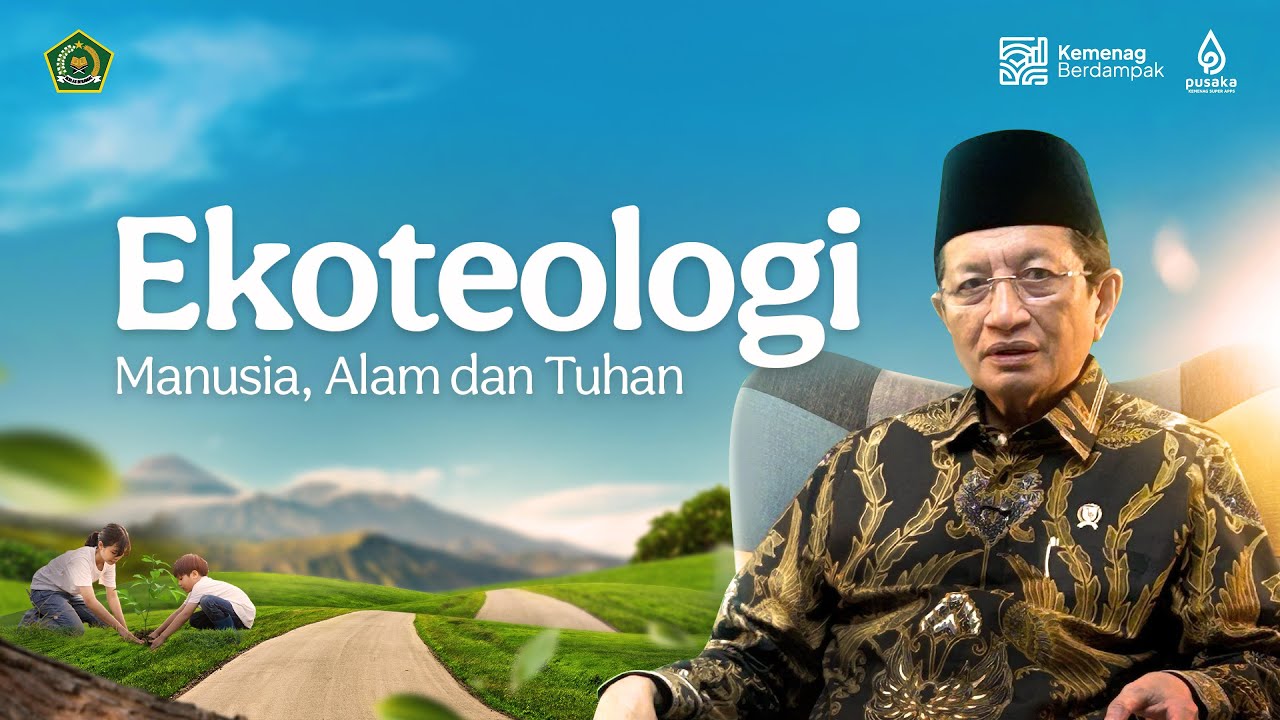
Ekoteologi: Manusia, Alam dan Tuhan

PENCIPTAAN MANUSIA | MEMAHAMI ISLAM BERSAMA M. QURAISH SHIHAB

William Blake's 'The Lamb' analysed.

Dosa Besar Perusak Lingkungan | Arti Ekoteologi | Kemenag Jabar
HUMAN PERSON AS AN IMAGE OF GOD

Marketing Environment in marketing management, marketing environment micro and macro, BBA, MBA, BCom
5.0 / 5 (0 votes)

