PERMAKULTUR UNTUK KETAHANAN PANGAN KELUARGA
Summary
TLDRThe transcript discusses the concept of permaculture, a sustainable farming system that integrates ecological practices with agriculture to address global challenges like climate change and food insecurity. By emphasizing principles such as caring for the Earth, people, and the future, permaculture promotes organic farming techniques, reduces costs, and enhances environmental protection. The system fosters local food sovereignty and boosts biodiversity while improving soil health and crop yields. Although modern agriculture often relies on monoculture, permaculture offers a viable solution for sustainable and eco-friendly farming, benefiting both farmers and the environment.
Takeaways
- 😀 Permaculture is a sustainable farming system focused on ecological design, food security, and environmental protection.
- 😀 It emphasizes working with nature rather than against it, aligning human needs with environmental conservation.
- 😀 The three core ethics of permaculture are earth care, people care, and future care, which guide its principles and practices.
- 😀 Permaculture practices include crop diversification, natural pest control, organic fertilization, and water harvesting to improve soil health and productivity.
- 😀 One of the key benefits of permaculture is reducing farming costs by eliminating the need for chemical fertilizers and pesticides.
- 😀 Permaculture also enables farmers to grow a variety of crops, ensuring a consistent, sustainable income over time.
- 😀 The system promotes biodiversity and strengthens local economies by encouraging the cultivation of a wide range of plants and the integration of livestock.
- 😀 It enhances food resilience by creating diverse, self-sustaining agricultural systems that can weather environmental challenges.
- 😀 Permaculture practices contribute to the regeneration of ecosystems, improve soil structure, and reduce the risk of droughts and other environmental disasters.
- 😀 Despite its advantages, permaculture faces challenges in overcoming traditional, monoculture farming methods that prioritize high productivity over sustainability.
- 😀 Transitioning to permaculture requires education and support, but it holds significant potential to address food security and environmental issues in the long term.
Q & A
What is permaculture and how does it contribute to sustainability?
-Permaculture is a design system for sustainable agriculture that integrates farming, food security, and environmental protection. It focuses on creating systems that work with nature, using techniques like crop rotation, water harvesting, and organic fertilization to enhance soil health and ensure long-term food production.
What are the three main principles of permaculture?
-The three main principles of permaculture are: care for the earth (protecting the environment), care for people (ensuring the well-being of individuals and communities), and fair share (ensuring resources are distributed equitably and sustainably).
How does permaculture help improve food security?
-Permaculture improves food security by diversifying crops, using organic techniques, and ensuring that land is managed sustainably. This leads to a more resilient food system, with better yields, reduced reliance on external inputs like chemicals, and the capacity to withstand climate-related challenges.
What are some benefits of permaculture for farmers?
-Permaculture offers multiple benefits for farmers, such as reduced costs, healthier food production (free from chemicals), and the ability to grow a variety of crops in a sustainable manner. It also helps improve soil quality, reduces the risk of pests and diseases, and ensures long-term productivity.
How does permaculture contribute to environmental protection?
-Permaculture contributes to environmental protection by promoting practices that restore soil health, reduce erosion, and conserve water. It also reduces the need for chemical pesticides and fertilizers, which can harm ecosystems, and encourages biodiversity.
What is the role of animals in a permaculture system?
-In permaculture, animals play an integral role in the ecosystem. They contribute to soil fertility through manure, help control pests naturally, and are part of a diversified system where each component supports the others, ensuring sustainability.
How can permaculture help mitigate the effects of climate change?
-Permaculture helps mitigate climate change by using techniques that enhance soil carbon sequestration, improve water retention, and create diverse ecosystems that are more resilient to extreme weather. By reducing reliance on synthetic inputs, it also lowers the carbon footprint of farming activities.
What are some common practices in permaculture farming?
-Common practices in permaculture include companion planting (growing different crops together to benefit each other), organic fertilization (using compost and natural methods), water harvesting (collecting and storing rainwater), and crop diversification (growing multiple types of plants for food security).
Why are more farmers moving toward permaculture, and how can it help their communities?
-Farmers are moving toward permaculture because it offers a more sustainable, cost-effective approach to farming. It allows them to grow healthier food, improve their soil, and reduce costs associated with chemical inputs. It also benefits communities by promoting local food production and reducing dependence on industrial agriculture.
What are the challenges in adopting permaculture in Indonesia?
-One of the challenges in adopting permaculture in Indonesia is the unfamiliarity with the system among local farmers. Traditional farming methods and the global push for monoculture crops can make it difficult for farmers to embrace permaculture. There is also a need for more education and support to shift practices toward sustainability.
Outlines

Этот раздел доступен только подписчикам платных тарифов. Пожалуйста, перейдите на платный тариф для доступа.
Перейти на платный тарифMindmap

Этот раздел доступен только подписчикам платных тарифов. Пожалуйста, перейдите на платный тариф для доступа.
Перейти на платный тарифKeywords

Этот раздел доступен только подписчикам платных тарифов. Пожалуйста, перейдите на платный тариф для доступа.
Перейти на платный тарифHighlights

Этот раздел доступен только подписчикам платных тарифов. Пожалуйста, перейдите на платный тариф для доступа.
Перейти на платный тарифTranscripts

Этот раздел доступен только подписчикам платных тарифов. Пожалуйста, перейдите на платный тариф для доступа.
Перейти на платный тарифПосмотреть больше похожих видео
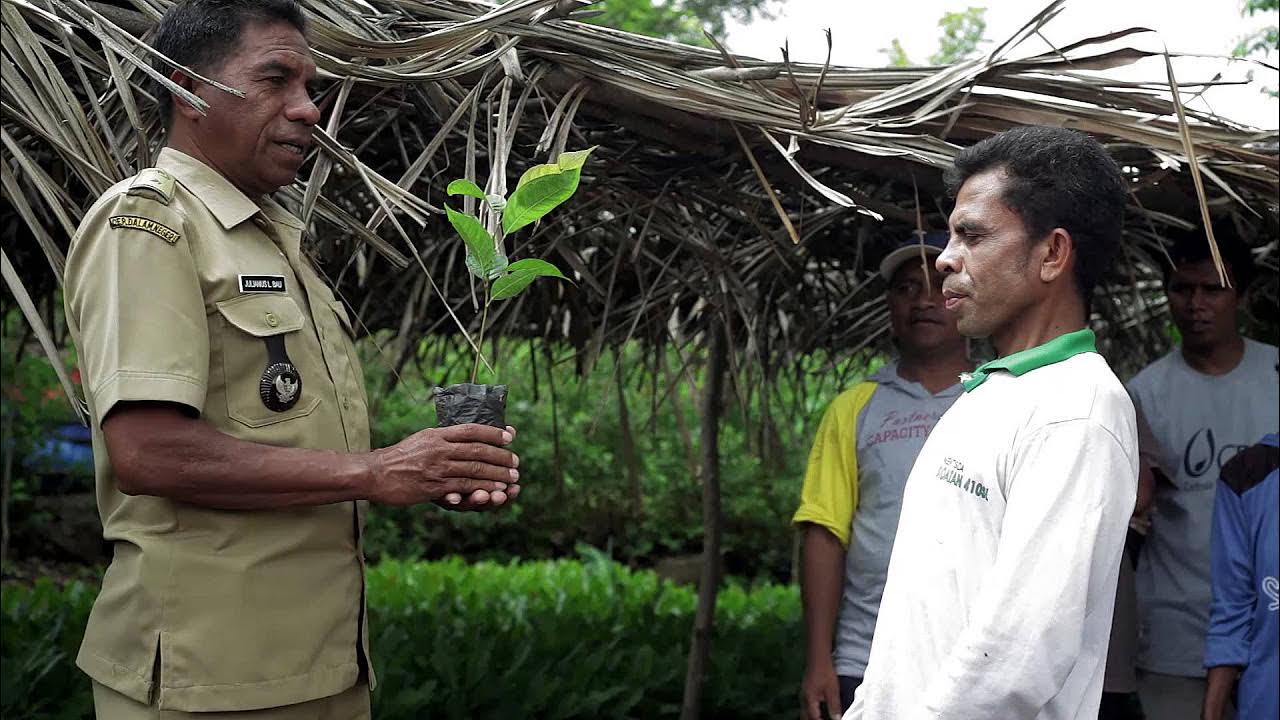
Sustainable Agriculture for Enhanced Resilience (SAfER) Project
8 reasons why sustainable agriculture is important

The Problem With Food and Climate — and How To Fix It | Jonathan Foley | TED

Conservation Agriculture in the Philippines

Climate Change and Agriculture
INHABIT A Permaculture Perspective TRAILER 2015
5.0 / 5 (0 votes)

