LENTERA DAKWAH RAMADHAN (lDR) Selalu Ada Solusi pada Setiap Kesulitan Hidup
Summary
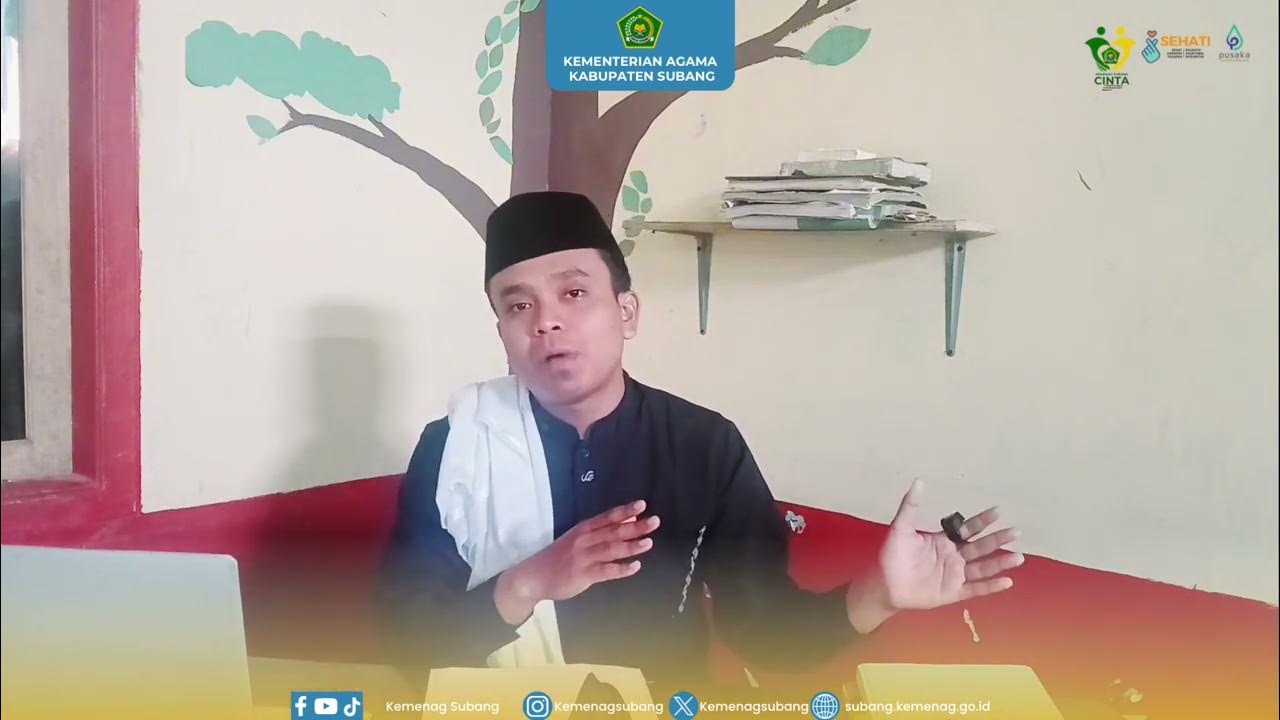
TLDRThis khutbah focuses on the blessings of Ramadan, urging believers to embrace its spiritual lessons beyond physical fasting. The speaker emphasizes the significance of Ramadan as a time for self-discipline, including controlling one's desires and avoiding negative actions like harsh words or harmful behaviors. Fasting is portrayed as a means to achieve taqwa (God-consciousness), rather than merely testing physical endurance. The message encourages moral growth, highlighting that successful fasting leads to greater sincerity, patience, and empathy. The speaker concludes with a prayer for the beneficial impact of the day's teachings.
Takeaways
- 😀 The speaker opens with a warm greeting, wishing health and well-being to everyone attending the session.
- 😀 A prayer is offered at the beginning to seek blessings, success, knowledge, and safety for everyone present.
- 😀 Gratitude is expressed towards Allah for the gifts of health, time, faith, and Islam, enabling the congregation to gather in Ramadan.
- 😀 The speaker sends blessings and salutations upon the Prophet Muhammad (PBUH), acknowledging his role in bringing light to humanity.
- 😀 The importance of Ramadan is highlighted as a month of blessings, where doors of Heaven are opened and doors of Hell are closed.
- 😀 The core practice of Ramadan, fasting, is introduced as an opportunity to learn self-restraint by refraining from eating, drinking, and controlling desires.
- 😀 The speaker clarifies that fasting is not just a physical test but a means of achieving piety (taqwa), as mentioned in Surah Al-Baqarah (2:183).
- 😀 Ramadan is described as a school where individuals learn honesty, patience, and self-control.
- 😀 The speaker warns that fasting becomes ineffective if accompanied by negative behaviors such as anger, backbiting, or jealousy.
- 😀 The ultimate goal of Ramadan is to improve one’s character, with success being defined by increased honesty, patience, and empathy after the month ends.
- 😀 A final prayer is offered for the beneficial impact of the lessons learned during the session, with a request for forgiveness for any shortcomings in the delivery.
Q & A
What is the main purpose of fasting during Ramadan, according to the speaker?
-The main purpose of fasting during Ramadan is to achieve 'taqwa' (piety or consciousness of God), as outlined in Surah Al-Baqarah, Ayah 183. Fasting is not just a physical test but a way to enhance spiritual growth.
What benefits are associated with fasting in Ramadan, as mentioned in the speech?
-Fasting brings benefits such as learning to control one's desires, practicing patience, and being more aware of one's actions. It also encourages spiritual purification and self-improvement.
How does the speaker define Ramadan as a 'madrasah' (school)?
-The speaker describes Ramadan as a 'madrasah' because it teaches individuals virtues like honesty, patience, and self-control, particularly in observing the fast when no one but Allah knows the truth of a person’s actions.
What is the significance of the prayer (dua) at the beginning of the talk?
-The prayer (dua) at the beginning serves to ask for blessings, knowledge, safety, and the success of the gathering. It seeks Allah’s help for a fruitful day of learning and action.
What does the speaker say about the spiritual aspects of fasting versus the physical ones?
-The speaker emphasizes that while fasting may test physical endurance, its ultimate goal is spiritual growth and achieving taqwa. The fast is not just about refraining from food and drink but about controlling one's soul and desires.
What advice does the speaker give regarding negative behavior during Ramadan?
-The speaker warns against engaging in negative behaviors such as speaking ill of others, being quick to anger, or holding grudges. These actions can nullify the spiritual benefits of fasting.
How does the speaker interpret the Quranic verse in Surah Al-Baqarah about fasting?
-The speaker quotes Surah Al-Baqarah, Ayah 183, to stress that fasting is a commandment for believers, just as it was for those before them, with the goal of cultivating taqwa (piety) in their hearts.
What is the relationship between Ramadan and moral transformation, according to the speaker?
-Ramadan offers an opportunity for moral transformation. The speaker encourages participants to use this month as a time to improve their character—becoming more honest, patient, and empathetic toward others.
What does the speaker mean by 'the reward of fasting is not just physical'?
-The speaker points out that many people may only experience physical hunger and thirst during fasting, but the true reward of fasting lies in the spiritual purification and discipline it brings.
What closing prayer does the speaker offer?
-At the conclusion of the talk, the speaker asks for a prayer that the knowledge shared would be beneficial and beneficial to others, and requests forgiveness for any shortcomings.
Outlines

Этот раздел доступен только подписчикам платных тарифов. Пожалуйста, перейдите на платный тариф для доступа.
Перейти на платный тарифMindmap

Этот раздел доступен только подписчикам платных тарифов. Пожалуйста, перейдите на платный тариф для доступа.
Перейти на платный тарифKeywords

Этот раздел доступен только подписчикам платных тарифов. Пожалуйста, перейдите на платный тариф для доступа.
Перейти на платный тарифHighlights

Этот раздел доступен только подписчикам платных тарифов. Пожалуйста, перейдите на платный тариф для доступа.
Перейти на платный тарифTranscripts

Этот раздел доступен только подписчикам платных тарифов. Пожалуйста, перейдите на платный тариф для доступа.
Перейти на платный тарифПосмотреть больше похожих видео

1. Ramadhan | Bp. Yoka Kusuma N. P. | 1 Maret 2025

" Puasa adalah Jalan untuk Meningkatkan Iman" oleh ananda Alisa Dio Bajayo

Inilah Hakikat Puasa: Pahami Biar Gak Salah

#DAY7 KEUTAMAAN RAMADAN - PESANTREN RAMADAN 1446 H 2025 M
SMARTREN 2025 : Makna Ayat Puasa dalam Surah Al Baqarah 183-184

KULTUM RAMADAN - SMK PGRI 2 JOMBANG
5.0 / 5 (0 votes)

